So you’re launching a supplement brand and you’re stuck on one small but important question: glass or plastic? It’s a big decision, because the bottle affects how your product looks, how it travels, and how much it costs to ship. In this guide, we’ll walk through glass vs plastic supplement bottles in plain English. You’ll see the trade-offs clearly, and you’ll know which option fits your product and your budget. Let’s get into it.
Why Your Bottle Choice Matters More Than You Think
The bottle is the first thing your customer touches. It protects your product from light, air, and moisture. It also shapes how premium your brand feels on the shelf. And it affects your shipping weight, which directly hits your margins.
As a supplement manufacturer, we see brand owners focus on the formula first and the packaging last. But packaging decisions made late can cost you time and money. Decide early, and your private label supplements launch runs smoother.
Here’s the quick version: glass feels premium and blocks oxygen well. Plastic is light, tough, and cheaper to ship. Neither is “best” — it depends on your product and your customer.
Glass Bottles: The Premium Feel
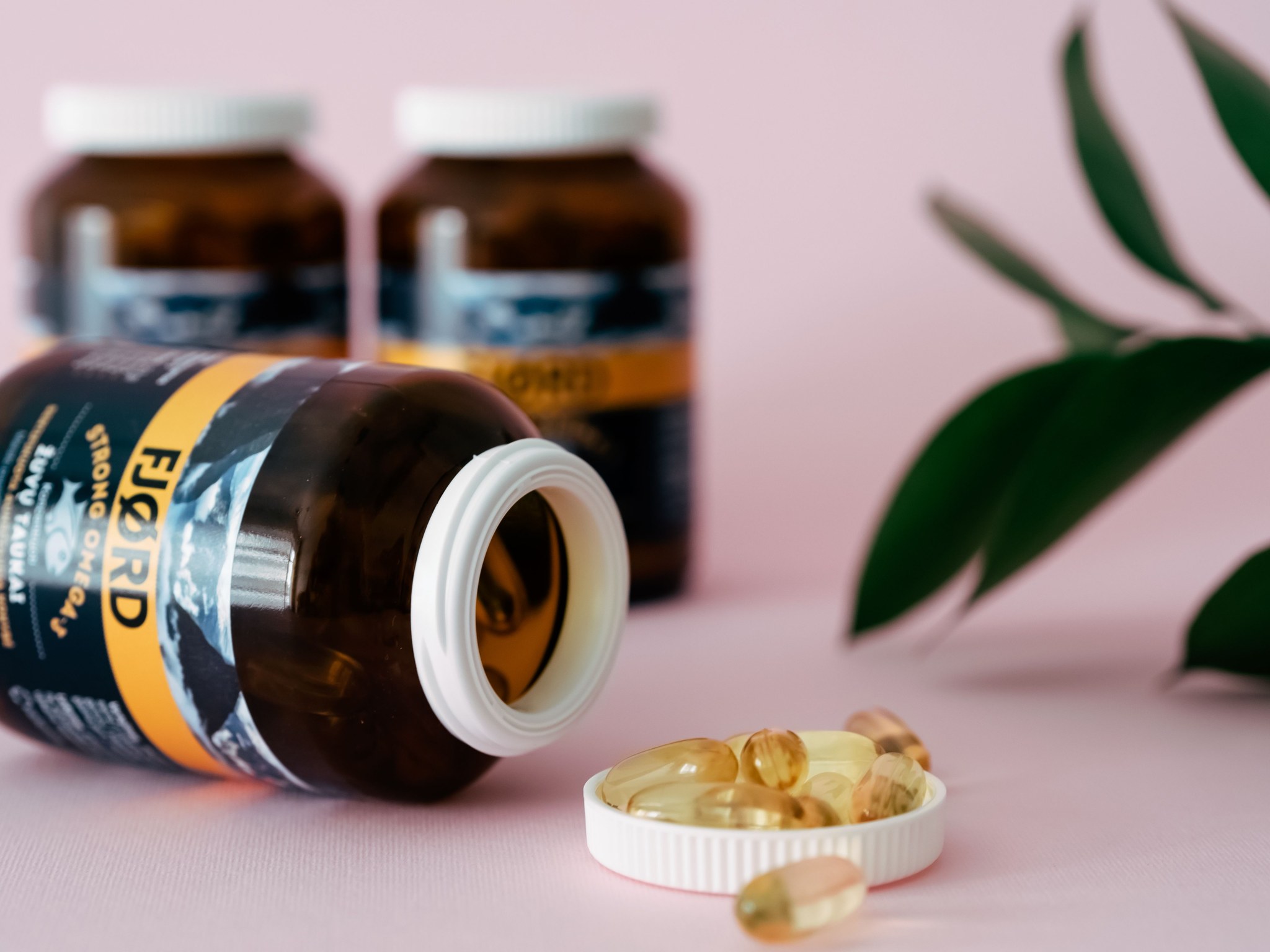
Glass has a natural advantage: it looks and feels high-end. It’s also non-porous, so it doesn’t absorb smells or flavours. For oils, liquids, and anything sensitive to oxygen, glass is a safe bet.
Where Glass Shines
- Premium positioning — glass signals quality, which suits higher-priced products.
- Great barrier — it keeps oxygen and moisture out, protecting sensitive formulas.
- Recyclable — glass is widely recycled and often seen as eco-friendly.
- No chemical leaching — glass is inert, so there’s no worry about plasticisers.
Where Glass Falls Short
Glass is heavy. That means higher shipping costs, especially for overseas orders. It can also break during transit, so you’ll need sturdy secondary packaging. And the cost per bottle is usually higher than plastic.
If you’re working with a gummy manufacturer, note that gummies are often sold in plastic jars for good reason — they’re light and shatter-resistant.
Plastic Bottles: Light, Tough, and Budget-Friendly
Plastic gets a bad rap sometimes, but modern food-grade plastics are safe and practical. They’re light, which keeps shipping costs down. They don’t shatter, so they survive rough handling. And they come in many shapes and sizes.
Where Plastic Wins
- Lower cost — cheaper per unit, which helps with tight margins.
- Lightweight — lower shipping and fulfilment costs.
- Durable — no breakage worries during transit.
- Wide choice — many shapes, colours, and sizes for your brand.
Where Plastic Falls Short
Plastic isn’t as good a barrier as glass. Some plastics can let oxygen through over time, so check with your supplement OEM partner about the right plastic type for your formula. Also, plastic can feel less premium, and some consumers prefer to avoid it.
Recycled and recyclable plastics are improving fast, so ask what eco-options are available.
How to Choose: A Simple Checklist
Still torn? Run through these questions. They’ll point you in the right direction.
- What’s your product? Oils and sensitive liquids often suit glass. Powders and gummies often suit plastic.
- What’s your price point? Premium products can carry the cost of glass. Budget lines often do better with plastic.
- Where are you shipping? Long-distance or air freight favours light plastic.
- What does your customer expect? A luxury skincare-style supplement may expect glass. A family-size gummy jar may expect plastic.
- What’s your sustainability story? Glass is recyclable; recycled plastic is improving. Pick what you can honestly claim.
If you’re unsure, ask your manufacturer for samples. Holding both in your hand makes the decision much easier.
Working With the Right Manufacturing Partner
Your packaging choice should be made together with your manufacturer, not after. A good partner will help you match the bottle to your formula, your budget, and your market.
If you’re targeting Muslim-majority markets, look for a halal supplement manufacturer that understands both the product and the packaging requirements. And if you’re just starting out, ask about low MOQ options so you can test the market without overcommitting.
At the end of the day, glass vs plastic supplement bottles isn’t about which is objectively better. It’s about which fits your product, your customer, and your plan.
Ready to pick your bottle and get moving? Reach out to our team for a free quote or a friendly consultation. We’ll help you choose the right packaging for your private label supplements and get your product ready for launch. No pressure, just practical advice.