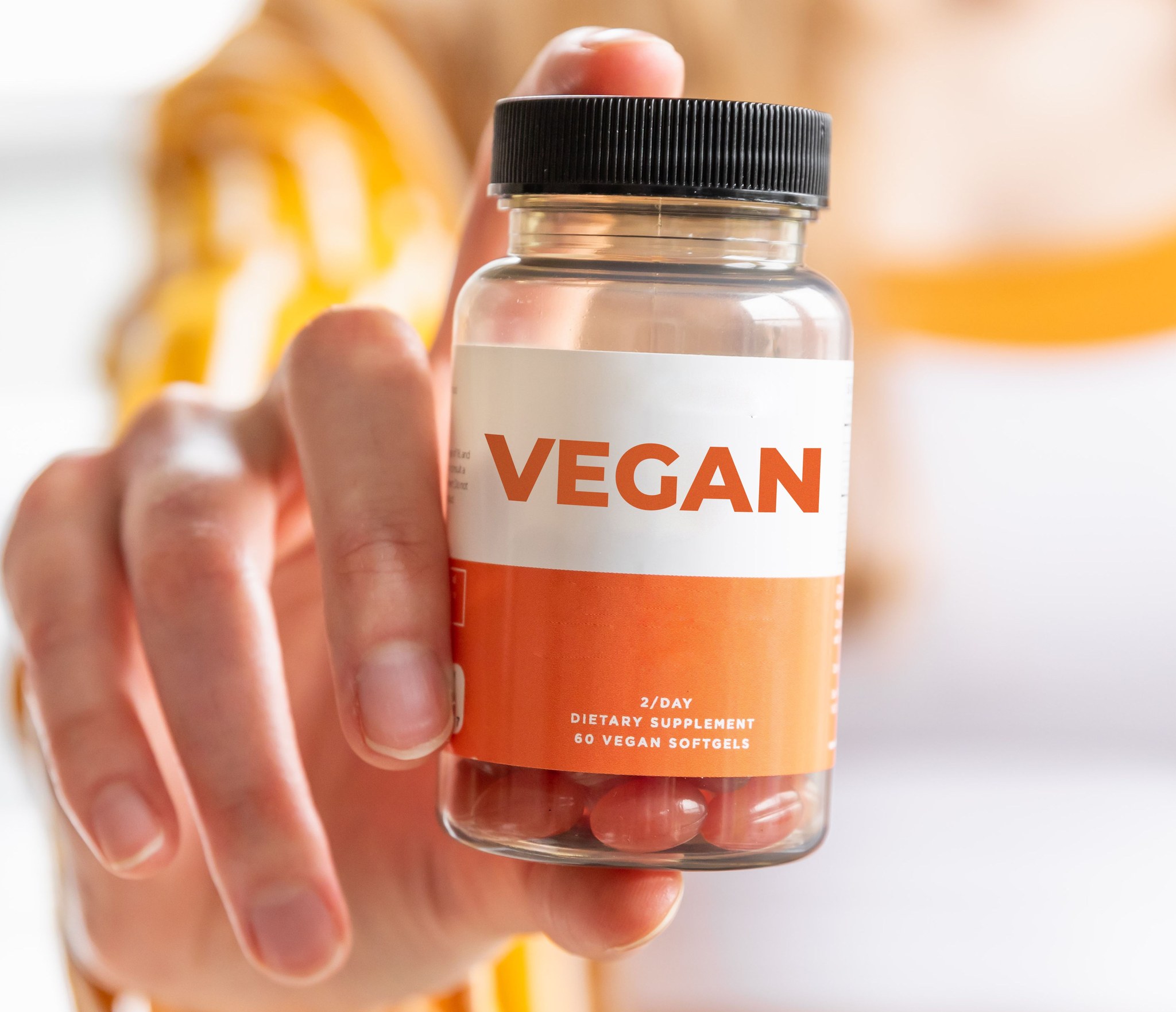
If you’re launching a supplement brand, your label is your first salesperson. But it’s also the first thing regulators look at. In Malaysia, supplement label claims regulation decides what you can and cannot say on a bottle, sachet or gummy pouch. Get it wrong and you risk recalls, fines or a rejected product. This guide breaks down the basics in plain language so you can plan your labels with confidence.
Why Label Claims Matter More Than You Think
A label claim is any statement that suggests your product does something for the body. Words like “supports immunity”, “boosts energy” or “helps digestion” are all claims. Even a simple phrase can turn your product from a food into something regulators treat more strictly.
Malaysian authorities watch labels closely because claims affect public health. If your wording promises a cure, prevents a disease or implies medical treatment, your product may be treated as a medicine, not a supplement. That changes everything about how it must be registered and sold.
This is why working with an experienced supplement manufacturer early saves you time. A good partner reviews your label wording before printing, not after.
The Main Types of Claims You’ll See
Most supplement labels fall into a few claim buckets. Knowing which bucket you’re in helps you choose safe, compliant wording.
- Nutrient content claims — statements about how much of a nutrient is present, like “high in vitamin C” or “source of calcium”.
- Nutrient function claims — statements about what a nutrient does in the body, like “calcium helps build strong bones”.
- Health or disease risk claims — statements linking a food or ingredient to a health condition. These are the strictest and often need approval.
- Structure or function style claims — softer wording about supporting normal body function, such as “supports general well-being”.
Notice the difference in strength. “Supports” is much safer than “treats” or “prevents”. Small word choices carry big legal weight.
Words to Avoid and Safer Alternatives
Many new brand owners copy wording from overseas products. That’s risky, because rules differ by country. Here’s a simple comparison to guide you.
Avoid These
Words like “cure”, “treat”, “prevent”, “heal”, “detox” and “clinically proven” are red flags unless you hold the exact supporting approval. They suggest a medical effect, which supplements generally cannot claim.
Use These Instead
Softer, function-based wording is usually safer: “supports”, “helps maintain”, “contributes to” and “is a source of”. These describe normal body function without promising a medical outcome.
Always keep your claims honest and matched to real evidence. Overclaiming can damage trust and invite scrutiny from regulators and customers alike.
How a Good Manufacturer Helps You Stay Compliant
Compliance isn’t just a legal task — it’s part of product development. The right partner builds it into every step.
A reliable supplement OEM can guide your formula, suggest compliant claim wording and prepare the technical documents regulators may ask for. If you’re making gummies, a gummy manufacturer with local experience will know which claims suit that format and which raise questions.
For many brands, private label supplements are the fastest route to market. You pick a ready formula, apply your branding, and the manufacturer handles the label details. Just make sure the claim wording on your chosen formula is already compliant before you print.
If your target market includes Muslim consumers, choosing a halal supplement manufacturer adds another layer of trust. Halal status covers ingredients and production, and it pairs well with clear, honest labeling.
A Quick Checklist Before You Print
- Read every claim out loud. Does it sound like a medical promise?
- Match each claim to the actual ingredient and amount in your formula.
- Remove words like “cure”, “treat” and “prevent”.
- Check that nutrition and ingredient lists are accurate and complete.
- Confirm your manufacturer has reviewed and approved the final label text.
Start With the Right Partner
Understanding supplement label claims regulation doesn’t have to be overwhelming. Keep your claims honest, use softer function-based wording, and lean on a manufacturer who knows the local rules. That way, your label sells your product and keeps you out of trouble.
Ready to build a compliant product? Reach out to our team for a free quote or consultation. We’ll help you choose a formula, review your label claims and get your brand market-ready with confidence.