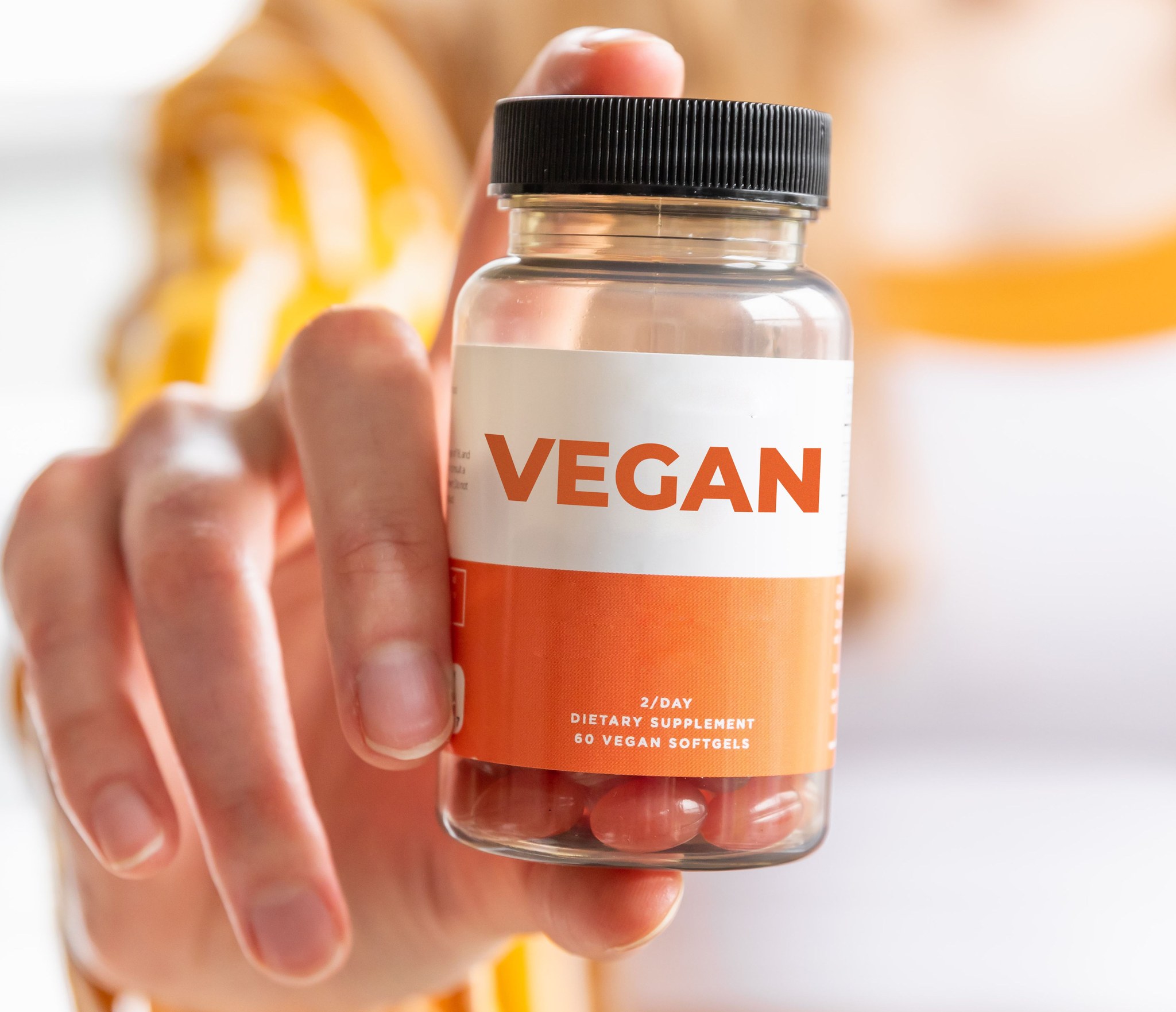
Getting your label right is one of the most important steps before your supplement hits the shelf. The rules can feel technical, but they protect you and your customers. This guide walks you through the main supplement bottle labeling requirements in plain language. Whether you are launching your first product or switching supplement manufacturer, you will know exactly what to check before printing.
The Must-Have Details on Every Supplement Label
Every bottle needs certain basics so customers know what they are buying and how to use it safely. These are the non-negotiables that regulators and retailers look for.
Product Name and Purpose
State clearly what the product is, like Vitamin C 500mg or Omega-3 Softgels. Avoid vague names that could confuse buyers.
Net Quantity and Serving Size
Show how many capsules, gummies, or millilitres are inside. Also list the serving size so users know how much to take.
Ingredients and Allergen Information
List all active and inactive ingredients. Highlight common allergens like soy, gluten, or dairy. This is especially important if you work with a gummy manufacturer using fruit pectin or gelatin.
Directions, Warnings, and Storage
Tell users how to take the product, who should avoid it, and how to store it. Simple, clear wording works best.
Manufacturer and Batch Details
Include the manufacturer name and address, batch number, and expiry date. These help with traceability and recalls.
Design and Compliance Tips for a Smooth Launch
A label that looks great but misses a rule can delay your launch or get your product pulled. Keep these practical points in mind when you design.
- Use readable fonts and sizes. Small print may not meet minimum size rules. Make sure key details are easy to read.
- Keep claims honest. Do not say a product cures or treats a disease unless you have the evidence and approval to back it up.
- Check local rules. If you sell in Malaysia, follow local labeling guidelines. If you export, check the destination country too.
- Leave space for halal marks. A halal supplement manufacturer can help you display the right logo and certification details.
- Plan for barcodes and batch codes. Retailers need scannable barcodes, and you need batch codes for tracking.
Getting these right early saves you reprints and headaches later.
How Your Manufacturer Helps You Get It Right
A good supplement OEM partner does more than fill bottles. They guide you through label content, artwork checks, and compliance questions. This is a big help when you are new to the process.
If you are launching private label supplements, your manufacturer may already have templates and approved wording. That speeds things up and reduces errors. They can also coordinate with your designer so the label fits the bottle shape and cap size.
Ask your manufacturer these questions before you print:
- What label details do you require on the artwork?
- Do you provide a content checklist for my product type?
- Can you review my label for compliance before printing?
- How do you handle batch codes and expiry dates?
Clear answers here mean fewer surprises and a faster path to market.
Common Labeling Mistakes to Avoid
Even experienced brands slip up. Watch out for these common issues.
- Missing allergen statements — a serious risk for customer safety.
- Wrong or missing batch codes — makes recalls harder to manage.
- Unapproved health claims — can lead to fines or product removal.
- Small, unreadable text — fails readability rules and frustrates buyers.
- Inconsistent units — mixing mg and mcg confuses users.
Double-check your artwork against your manufacturer’s checklist before you approve the final print.
Ready to get your label right the first time? Contact our team for a free quote or consultation. We will help you match your product with the correct supplement bottle labeling requirements and guide you from artwork to shelf.