When you launch your own supplement line, the label on the bottle is more than just a sticker. It’s your product’s first impression, your legal responsibility, and your direct line to the customer. If you’re working with a supplement manufacturer in Malaysia, you need to know exactly what goes on that label. This guide walks you through the essentials of supplement bottle labeling requirements in plain, simple language. No legal jargon, just the practical stuff you need to get your product on the shelf.
Why Labeling Rules Matter
Getting your label wrong can cause delays at customs, force you to reprint thousands of labels, or even get your product pulled from stores. In Malaysia, the National Pharmaceutical Regulatory Agency (NPRA) oversees supplement labeling. They have clear rules on what must appear and what can’t be said. Following these rules from day one saves you time and money. A good supplement OEM partner will guide you through this process, but you should still understand the basics.
Labels also build trust with your customers. A clean, informative label shows you’re a serious brand that cares about quality. For private label supplements, your label is your brand identity. It’s how people recognize you on a crowded shelf.
The Must-Have Elements on Your Label
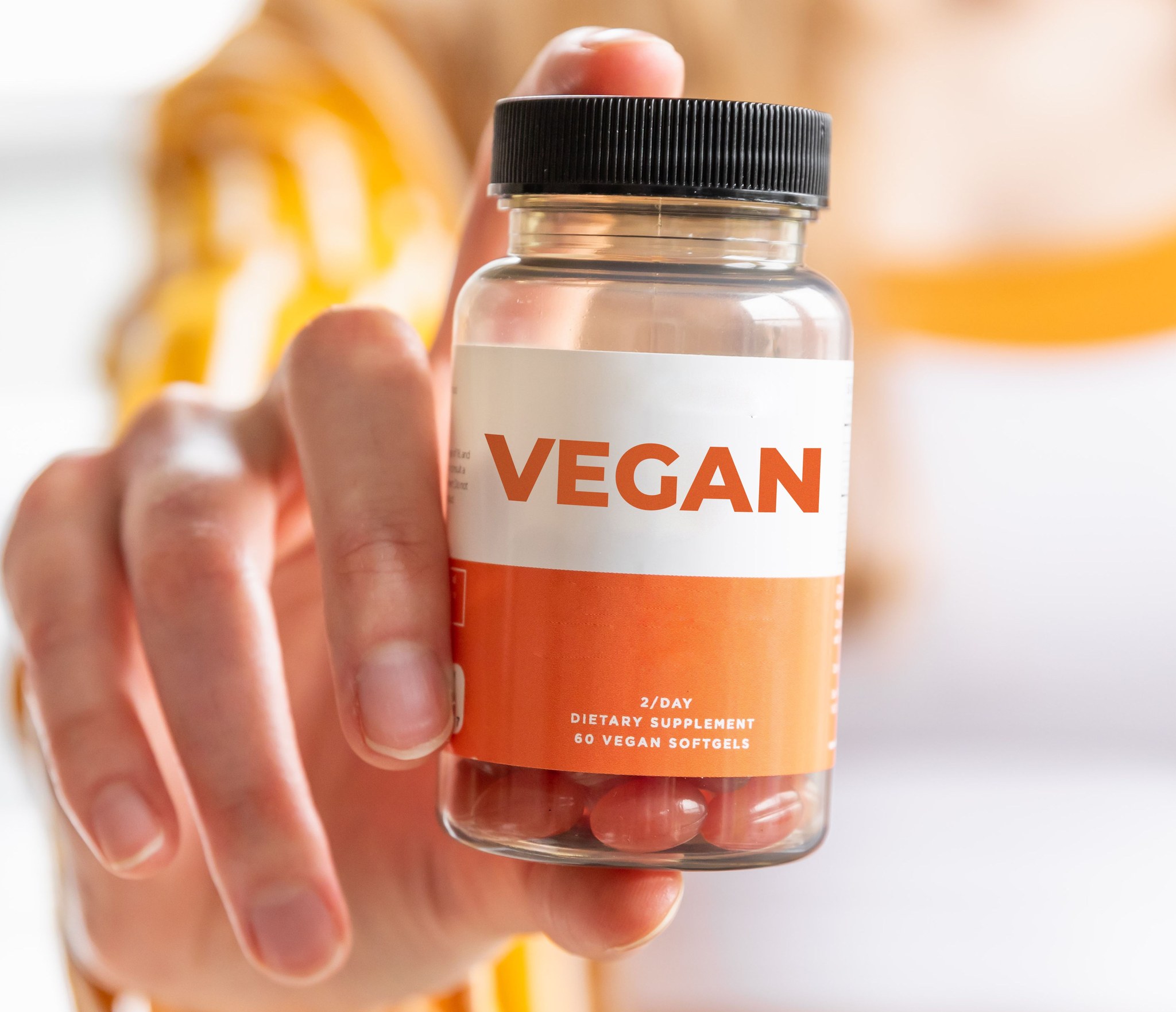
Here’s what your bottle label must include to meet Malaysian regulations. Think of this as your checklist before you send your design to the printer.
- Product name – the common name of the supplement, like “Vitamin C Gummies” or “Collagen Powder”.
- Net quantity – how much is in the bottle, in grams or milliliters, and the number of tablets, capsules, or gummies.
- Ingredient list – all active and inactive ingredients, listed in descending order by weight.
- Nutrition information – a table showing serving size, servings per container, and amounts of key nutrients.
- Manufacturer details – the name and address of the manufacturer or packer, plus the license number.
- Batch number – a code that traces your product back to its production run.
- Expiry date – clearly marked with “EXP” or “Use by”.
- Storage instructions – simple guidance like “Store in a cool, dry place”.
What About Gummies?
If you’re working with a gummy manufacturer, the same rules apply, but there are extra points to watch. Gummies often contain added sugars and flavors, so the ingredient list and nutrition panel need to be accurate. Also, the serving size for gummies is usually one or two pieces, so make sure that’s clear on the label.
Language and Claims: What You Can and Can’t Say
In Malaysia, the language on your label must be in Bahasa Melayu or English. You can use both, but one must be the main language. If you include any other language, it must be a direct translation of the main text. Keep it simple and consistent.
You also need to be careful about claims. You cannot say your product cures or treats a disease. For example, you can’t write “Cures diabetes” or “Treats high blood pressure”. Instead, you can use approved structure-function claims like “Supports bone health” or “Helps boost energy”. If you’re unsure, your halal supplement manufacturer can help you phrase claims that are both effective and compliant.
Avoid any wording that promises unrealistic results. Stick to what your product actually does, backed by science. This protects you from legal trouble and keeps your customers happy.
Working with Your OEM Partner on Labels
Your supplement manufacturer should be your go-to resource for label guidance. They know the local regulations inside out because they produce labels for many brands. When you start a project, ask them to review your label design before you print. Most reputable OEMs offer this as part of their service. It’s a smart way to avoid costly mistakes.
Also, ask about halal certification. If you want to sell to Muslim consumers, your product and its label must carry the halal logo. This is handled by the manufacturer, and they can include it on your label if you use their halal-certified facility. Make sure you discuss this early in the process.
Remember, the label is part of the product. It’s not just an afterthought. Take your time to get it right.
Ready to start your own supplement brand? Contact us today for a free consultation and quote. We’ll help you every step of the way, from formulation to final label. Let’s create something great together!