
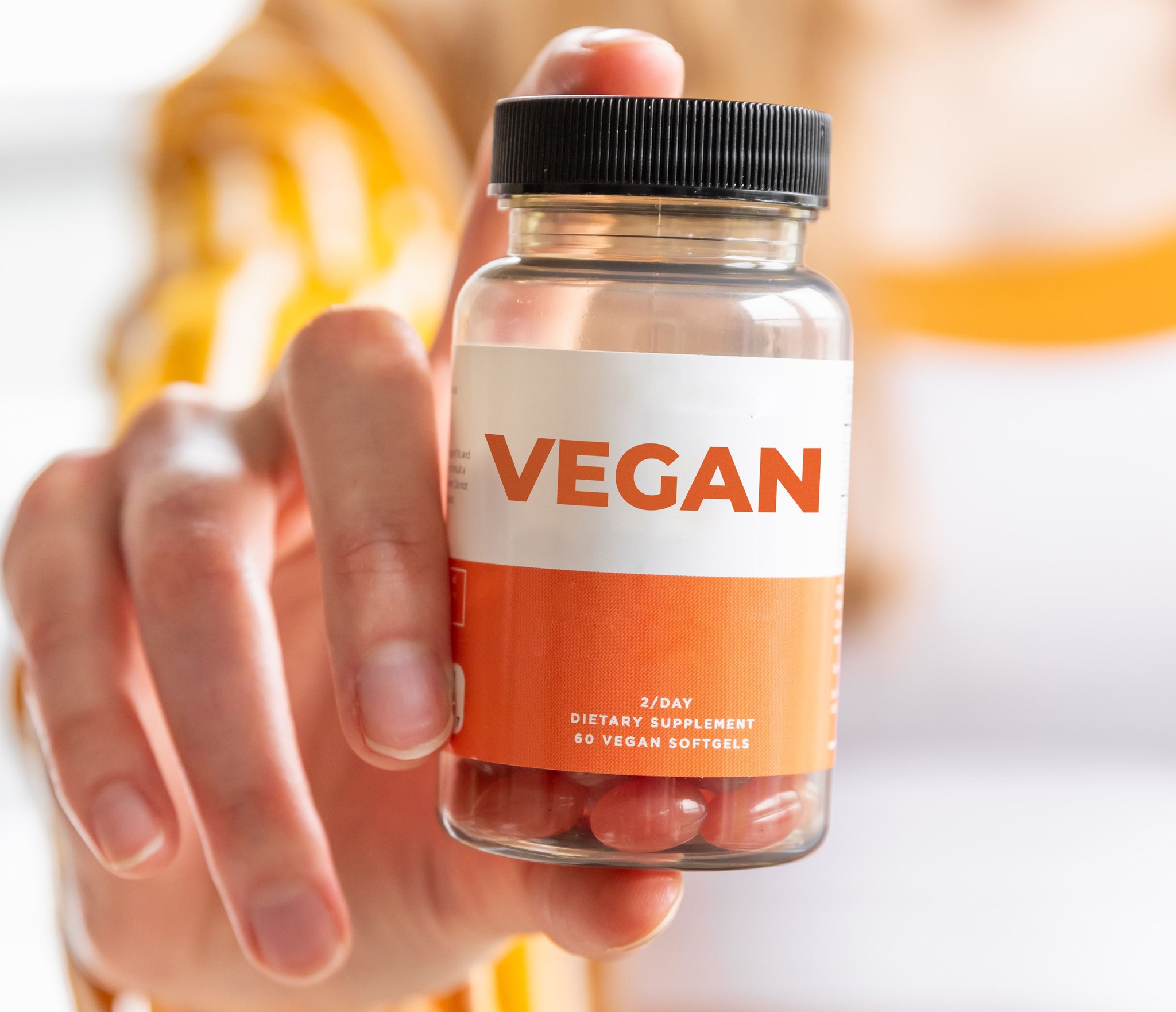
If you’re launching a supplement brand in Malaysia, you’ve probably wondered what you can legally say on your label. Words like “cures”, “treats”, or “prevents” are a big no-no. But what about “supports immunity” or “helps maintain healthy skin”? Understanding supplement label claims regulation is key to keeping your brand compliant and trustworthy. In this guide, we’ll break down the basics in plain English, so you can work confidently with your supplement manufacturer and get your product to market smoothly.
Why Label Claims Matter for Your Brand
Label claims are more than just marketing words. They’re regulated statements that must be truthful, not misleading, and backed by evidence. In Malaysia, the Ministry of Health (MOH) and the National Pharmaceutical Regulatory Agency (NPRA) oversee supplement regulations. While supplements are generally treated as food or natural health products, the rules on claims are strict. Making an unapproved claim can lead to product recalls, fines, or even a damaged reputation. That’s why it’s crucial to get your claims right from the start.
Working with an experienced supplement OEM can help you navigate these rules. They know what’s allowed and what’s not, saving you time and headaches.
Types of Claims You Can Make
Not all claims are created equal. Here’s a breakdown of the common types:
- Nutrient content claims: These describe the amount of a nutrient in your product, like “high in vitamin C” or “good source of calcium”. They must meet specific criteria.
- Health claims: These link a nutrient or ingredient to a health benefit, such as “calcium helps build strong bones”. They require scientific evidence and must be approved.
- Structure/function claims: These describe how a nutrient affects the body’s function, like “supports immune health”. They don’t need pre-approval but must be truthful and not misleading.
- Disease risk reduction claims: These are rare and highly regulated. They link a nutrient to reducing the risk of a disease, like “adequate calcium may reduce the risk of osteoporosis”. They need strong scientific backing and explicit approval.
As a brand owner, you’ll likely use a mix of these. Your gummy manufacturer or supplement partner should guide you on which claims are appropriate for your product.
How to Ensure Your Claims Comply
Compliance isn’t rocket science, but it does require attention to detail. Here are practical steps:
1. Know the Prohibited Words
Avoid words that imply treating, curing, or preventing a disease. Terms like “cure”, “treat”, “prevent”, “heal”, and “diagnose” are generally off-limits for supplements. Instead, use softer terms like “support”, “maintain”, “help”, and “promote”.
2. Substantiate Your Claims
Every claim you make should be backed by reliable evidence. This could be scientific studies, traditional use data, or official monographs. Keep your evidence on file in case authorities ask for it. Your supplement manufacturer may provide reference materials or connect you with experts.
3. Use Clear and Simple Language
Your claims should be easy for consumers to understand. Avoid jargon and vague statements. Be specific about the benefit and the ingredient responsible.
4. Check for Halal Compliance
If you’re targeting the Malaysian market, halal certification is a big plus. A halal supplement manufacturer can ensure your product and its claims align with halal requirements, giving you a competitive edge.
Working with a Manufacturer for Compliant Labels
Your manufacturing partner plays a vital role in label compliance. A reputable supplement OEM will review your label claims and advise you on any red flags. They can also help you with private label supplements, where you use their existing formulas and labels, which are often already compliant. If you’re creating a custom formula, they’ll guide you through the claim approval process.
When choosing a manufacturer, ask about their experience with Malaysian regulations. A gummy manufacturer that specializes in supplements will know the ins and outs of claims for gummies, which can be trickier due to their format.
Remember, supplement label claims regulation is there to protect consumers and ensure fair competition. By following the rules, you build trust and credibility for your brand.
Ready to launch your supplement brand with confidence? Contact us today for a free consultation and quote. Our team of experts can help you navigate supplement label claims regulation and get your product market-ready. Let’s bring your vision to life!



