
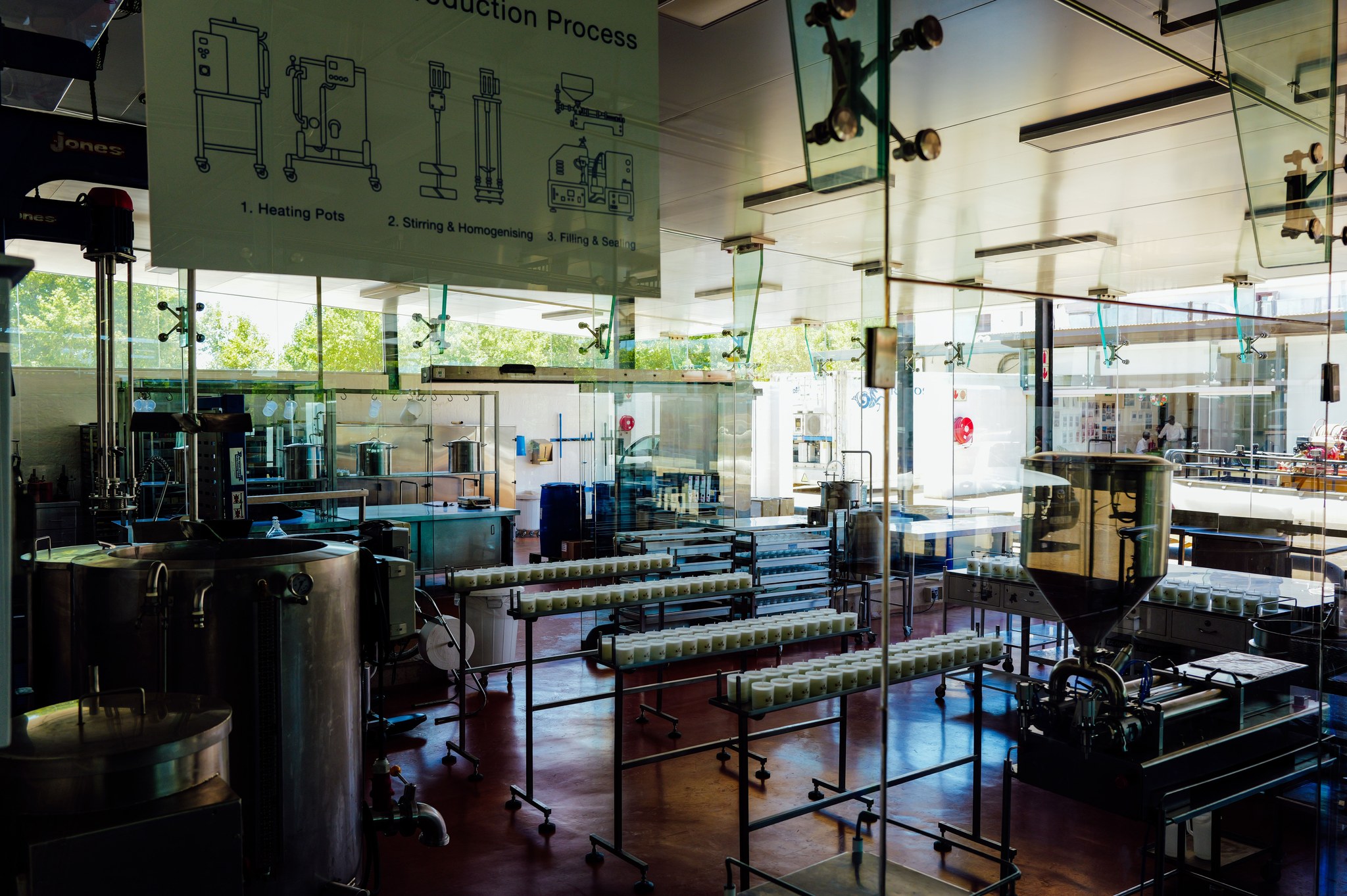
Ever wonder why some supplement factories seem to run like clockwork while others struggle? The secret often lies in the supplement factory floor design. A well-planned layout keeps production smooth, prevents contamination, and helps your products reach the market faster. In this article, we’ll walk you through the key elements of a smart factory floor design and why it matters for your brand. Whether you’re launching a new supplement line or switching manufacturers, understanding floor design helps you ask the right questions and choose a partner who takes quality seriously.
Why Factory Floor Design Matters for Your Supplement Brand
A good factory floor design is more than just a neat workspace. It’s the backbone of product safety and operational efficiency. When the layout is well thought out, ingredients flow smoothly from receiving to finished product without cross-contamination risks. This is crucial for any supplement manufacturer aiming to meet strict quality standards.
For you as a brand owner, this translates to consistent product quality, fewer delays, and peace of mind. A factory that follows good design principles is more likely to comply with GMP (Good Manufacturing Practice) and other regulations. That means your products are made right, every time.
Key Zones in a Well-Designed Supplement Factory
Every efficient supplement factory is divided into distinct zones to keep production organized and safe. Here are the main areas you’ll find:
- Receiving and storage: Raw materials arrive here and are checked for quality before being stored in temperature-controlled areas.
- Dispensing and weighing: Ingredients are carefully measured in a clean room to prevent errors and contamination.
- Production area: This is where mixing, blending, and forming happen. For gummies, it includes cooking and depositing equipment.
- Packaging area: Finished products are filled into bottles, blister packs, or sachets, then labeled and boxed.
- Quality control lab: Samples are tested here to ensure they meet specifications before release.
- Warehouse and dispatch: Final products are stored and shipped out to customers.
Each zone is designed with a one-way flow to avoid backtracking and cross-contamination. This is especially important for a gummy manufacturer because gummies are sensitive to moisture and temperature.
The Importance of Unidirectional Flow
Unidirectional flow means materials move in a straight line from dirty to clean areas. This simple principle is a cornerstone of supplement factory floor design. It minimizes the risk of cross-contamination and keeps production efficient. When you visit a factory, look for this flow—it’s a sign of thoughtful design.
Design Features That Support Quality and Compliance
Beyond zoning, several design features help a factory maintain high standards. These include:
- Cleanroom environments: Areas with controlled air quality to prevent contamination. This is essential for private label supplements that require strict hygiene.
- Separate air handling systems: To avoid cross-contamination between different product lines.
- Easy-to-clean surfaces: Floors, walls, and equipment are made of smooth, non-porous materials.
- Proper drainage and ventilation: To control moisture and fumes, especially in gummy production.
- Dedicated storage for allergens: To prevent cross-contact with other ingredients.
These features are particularly important for a halal supplement manufacturer. Halal certification requires strict separation of halal and non-halal ingredients, and the factory layout must support this. A well-designed floor plan makes it easier to maintain halal integrity throughout production.
How to Evaluate a Supplement OEM’s Factory Floor Design
When choosing a supplement OEM partner, it’s worth asking about their factory layout. Here are some questions to guide you:
- Can you explain the flow of materials from receiving to dispatch?
- How do you prevent cross-contamination between products?
- What measures are in place to control temperature and humidity?
- How does the layout support halal certification?
- Are there separate areas for different product types (e.g., capsules vs. gummies)?
A manufacturer who can clearly explain their floor design is likely proud of their setup and committed to quality. Don’t hesitate to ask for a tour or a virtual walkthrough. Seeing the layout in action can tell you a lot about their standards.
Remember, a well-designed factory is a sign of a reliable partner. It shows they care about product safety and efficiency, which ultimately benefits your brand.
Ready to find a supplement manufacturer with a smart factory floor design? We’re here to help. Contact us today for a free consultation and quote. Let’s discuss your product ideas and see how our halal-certified facility and low MOQ options can bring your brand to life.