
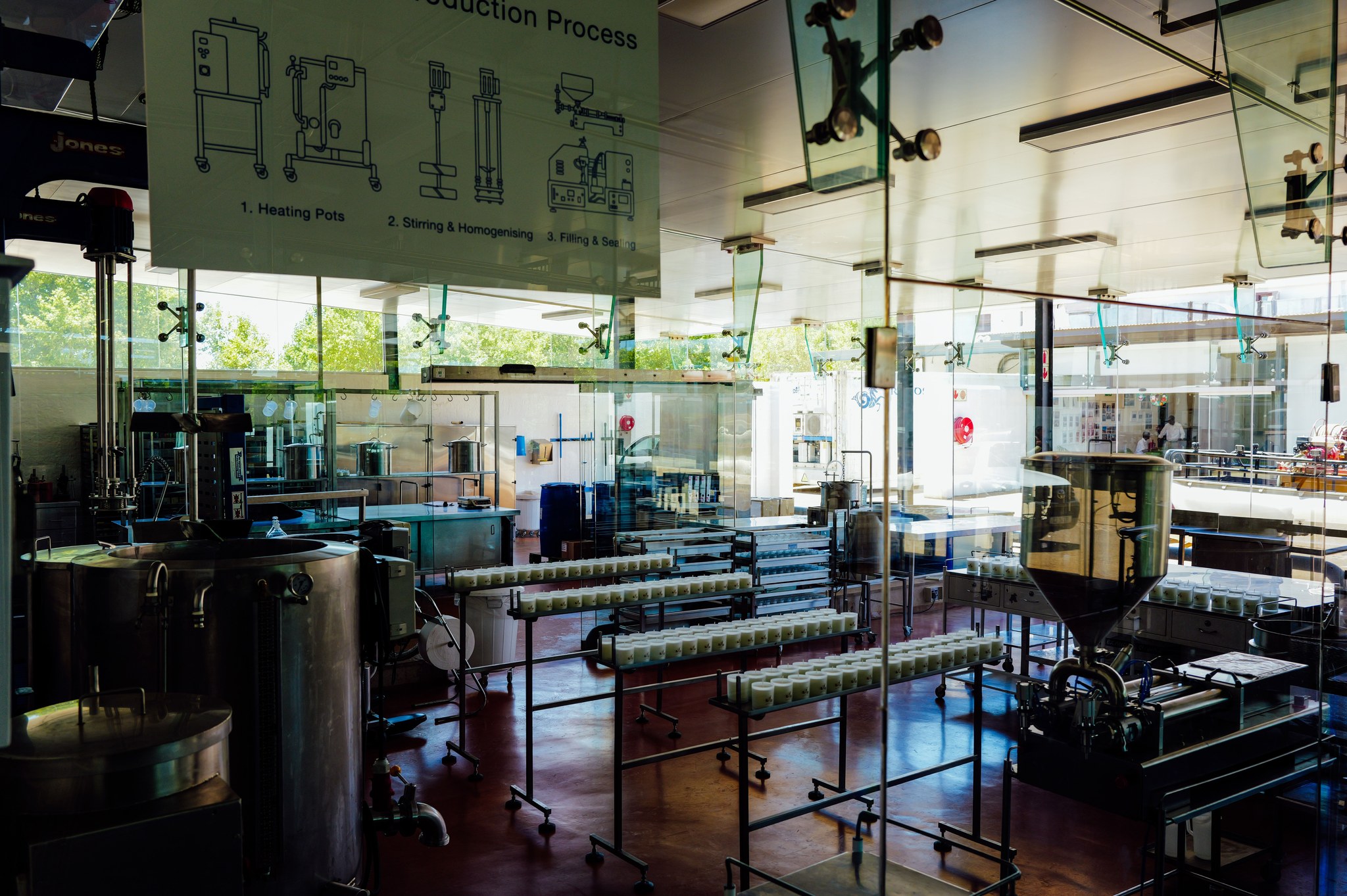
If you’re planning to launch your own supplement brand, the factory floor design might not be the first thing on your mind. But it should be. A well-designed floor keeps products safe, speeds up production, and helps you meet strict rules. In this article, we’ll walk you through the key elements of a smart supplement factory floor design, so you can ask the right questions when choosing a supplement manufacturer.
Why Factory Floor Design Matters for Your Brand
Your supplement brand’s reputation depends on product quality and safety. A poorly designed factory floor can lead to cross-contamination, mix-ups, and delays. On the other hand, a smart layout reduces errors and keeps production flowing smoothly.
When you work with a supplement OEM, their floor design directly affects your costs and turnaround time. A factory that follows good design principles can produce your order faster and with fewer mistakes. That means you get to market quicker and keep your customers happy.
Plus, many markets require halal certification for supplements. A factory designed with halal compliance in mind—separate areas, proper cleaning routines—makes certification easier. So, floor design isn’t just about efficiency; it’s about meeting your target market’s needs.
Key Zones in a Well-Designed Supplement Factory
A good supplement factory floor is divided into clear zones. Each zone has a specific purpose, and the flow from one to the next should be logical. This prevents mix-ups and keeps things clean.
1. Receiving and Raw Material Storage
This is where ingredients arrive. They need to be checked, logged, and stored properly. Temperature and humidity control are often needed, especially for sensitive ingredients. A separate area for quarantine (until tested) is a smart design feature.
2. Dispensing and Weighing Area
Here, ingredients are measured out for each batch. This area should be clean and dust-controlled. Accurate weighing is critical for product consistency. A well-lit, organized space helps workers avoid mistakes.
3. Production Area
This is where the magic happens. For capsules and tablets, you’ll see blending, granulation, and compression machines. For gummies, you’ll find cooking, depositing, and drying equipment. A gummy manufacturer needs special cooling tunnels and drying rooms. The layout should allow smooth flow from one machine to the next without backtracking.
4. Packaging Area
After production, products move to packaging. This area should be separate to avoid contamination. It includes filling, capping, labeling, and sealing. For private label supplements, the packaging line needs to handle different bottle sizes and label designs efficiently.
5. Quality Control Lab
Every batch should be tested. A dedicated lab on-site allows quick checks. It should be close to production but separate to avoid interference. This is where samples are analyzed for potency, purity, and safety.
6. Warehouse and Dispatch
Finished goods are stored here before shipping. The area should be organized, clean, and secure. Proper labeling and inventory systems help ensure the right products go to the right customers.
Design Features That Support Quality and Compliance
Beyond zoning, certain design features make a big difference. These help the factory meet GMP-certified facility standards and keep your products safe.
- Unidirectional flow: Materials move from dirty to clean areas, never backward. This reduces contamination risk.
- Separate air handling: Different zones have their own air supply to prevent cross-contamination.
- Easy-to-clean surfaces: Floors, walls, and ceilings should be smooth and non-porous. This makes cleaning faster and more effective.
- Proper lighting: Bright, even lighting helps workers spot issues and work accurately.
- Dust control: For powder handling, dust extraction systems keep the air clean and protect workers.
- Waste management: Designated areas for waste keep it away from production zones.
These features might seem technical, but they’re essential. When you visit a factory, look for these signs. A halal supplement manufacturer will also have separate lines or dedicated areas for halal products to avoid cross-contamination with non-halal items.
How Floor Design Affects Your Project
When you choose a supplement manufacturer for your private label supplements, their floor design impacts your experience in several ways.
Speed: A smooth flow means faster production. Your order moves through the factory without bottlenecks. This is especially important if you have tight deadlines.
Quality: Good design reduces the risk of errors and contamination. Your products will be consistent and safe, which builds trust with your customers.
Cost: Efficient factories waste less time and material. They can often offer better pricing, especially for low MOQ orders.
Compliance: If you’re targeting markets that require halal or organic certification, the factory’s design must support those standards. A well-designed facility makes audits and certifications easier.
So, when you’re evaluating a potential partner, don’t just look at their product list. Ask about their floor design. It tells you a lot about their commitment to quality.
Questions to Ask Your Manufacturer
Before you commit, ask these questions to understand their floor design and how it benefits your project:
- How do you prevent cross-contamination between different products?
- Do you have separate areas for halal and non-halal production?
- What is your workflow from raw materials to finished goods?
- How do you control temperature and humidity in storage and production?
- What cleaning procedures do you follow between batches?
- Can you show me your quality control lab and testing processes?
A good manufacturer will be proud to answer these questions. They’ll show you around and explain their design choices. This transparency helps you feel confident in your partnership.
Ready to find a supplement manufacturer with a smart factory floor design? Contact us for a free consultation and quote. We’ll help you turn your supplement idea into a reality, with quality and speed you can trust.