Choosing between softgels and gummies is a big decision for your supplement brand. Each format has its own strengths, and the right choice depends on your product, your audience, and your goals. In this guide, we’ll break down the key differences in softgel vs gummy supplement production so you can make an informed choice. As a supplement manufacturer in Malaysia, we’re here to help you every step of the way.
Understanding Softgel Production
Softgels are liquid-filled capsules made from gelatin or plant-based materials. They are known for their high absorption and precise dosing. Many brands choose softgels for fat-soluble vitamins like Vitamin D3 and Omega-3.
Here are some key points about softgel production:
- High stability for active ingredients that are sensitive to light and oxygen.
- Easy to swallow for many consumers, though not everyone prefers them.
- Flexible formulations for oils and low-dose ingredients.
Softgel manufacturing requires specialized equipment and expertise. A reliable supplement OEM partner can handle encapsulation, quality control, and packaging for you.
Understanding Gummy Production
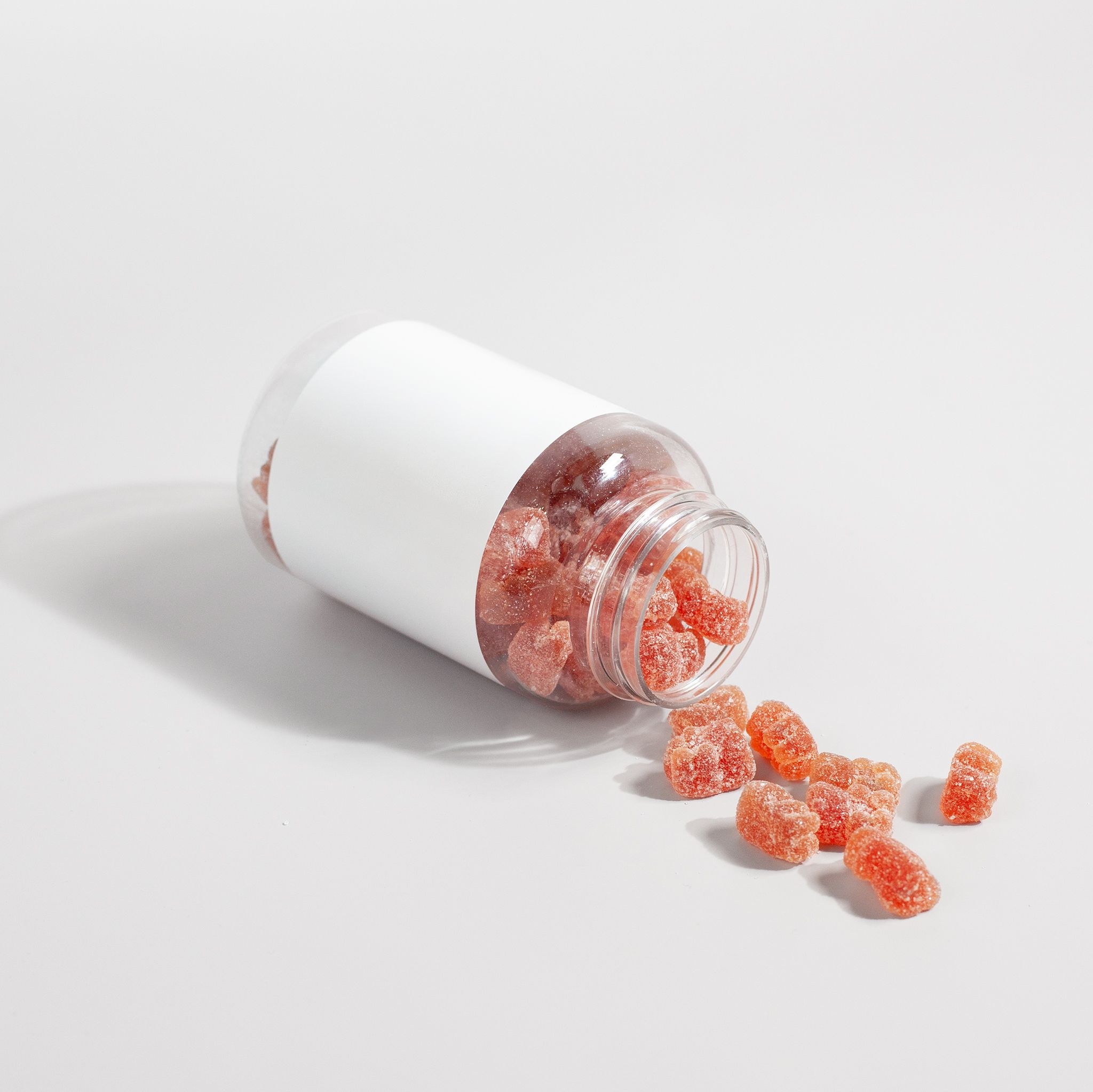
Gummies are chewable supplements that are popular with kids and adults alike. They come in fun shapes, flavors, and colors, making them a great choice for brands targeting a younger audience or anyone who dislikes swallowing pills.
Gummy manufacturing is different from softgels. It involves mixing ingredients with a gelatin or pectin base, pouring into molds, and setting the final product.
Key Considerations for Gummy OEM
When you work with a gummy manufacturer, you need to think about texture, shelf life, and sugar content. Gummies often require more careful handling to maintain their shape and quality.
- Custom shapes and flavors to stand out on the shelf.
- Lower melting point means you need good temperature control during shipping.
- Higher sugar or sweetener content can affect label claims.
Despite these challenges, gummies offer a huge opportunity for private label supplements. They are easy to market and often command a premium price.
Comparing the Two Formats
Let’s put softgels and gummies side by side to see how they differ in production and consumer appeal.
Here are the main points to compare:
- Dosage accuracy: Softgels offer precise dosing, while gummies may have slight variations.
- Consumer preference: Gummies are often preferred by children and those who dislike swallowing capsules.
- Ingredient compatibility: Softgels suit oily ingredients, while gummies work better with dry powders.
- Production cost: Gummy production can be more complex and may require more time to set.
- Shelf life: Softgels generally have a longer shelf life than gummies.
Both formats can be produced in a GMP-certified facility to ensure quality. Your choice should align with your target market and product goals.
Choosing the Right OEM Partner
Whether you choose softgels or gummies, you need a partner who understands both. A good supplement manufacturer will guide you through formulation, testing, and packaging.
When looking for a partner, consider these factors:
- Experience with your chosen format.
- Certifications like halal and GMP.
- Flexible MOQ to suit your budget.
- Support with labeling and regulatory compliance.
In Malaysia, many brands look for a halal supplement manufacturer to reach both local and global markets. Make sure your OEM partner can meet those requirements.
At supplementmmoem.com, we specialize in both softgel and gummy production. We offer low MOQ options and can help you create a product that stands out.
Ready to start your supplement brand? Contact us today for a free quote and consultation. Let’s make your product idea a reality!