Choosing between softgels and gummies is one of the first big decisions you will make as a supplement brand owner. Both formats are popular, both can be produced by a reliable supplement manufacturer, and both have loyal fans. But they behave very differently in production, cost and customer appeal. This guide breaks down softgel vs gummy supplement production in plain language so you can pick the right format for your brand.
How Softgel Production Works
A softgel is a one-piece capsule with a soft shell, usually made from gelatin or a plant-based alternative. Inside sits a liquid or oil-based fill, such as fish oil, vitamin D or CoQ10. The shell and fill are formed together in one machine, which seals the ingredients inside and protects them from air and light.
Because the fill is liquid, softgels are great for oil-based ingredients that do not mix well with powders. They are also easy to swallow and have a neat, premium look. A good supplement OEM partner will help you pick the right shell and fill so your formula stays stable.
Best for oil-based formulas
If your hero ingredient is an oil, a softgel is often the most natural home for it. Think omega-3, evening primrose or vitamin E.
Compact and travel-friendly
Softgels are small and light. That keeps shipping costs down and makes them easy to pack into a daily routine.
How Gummy Production Works
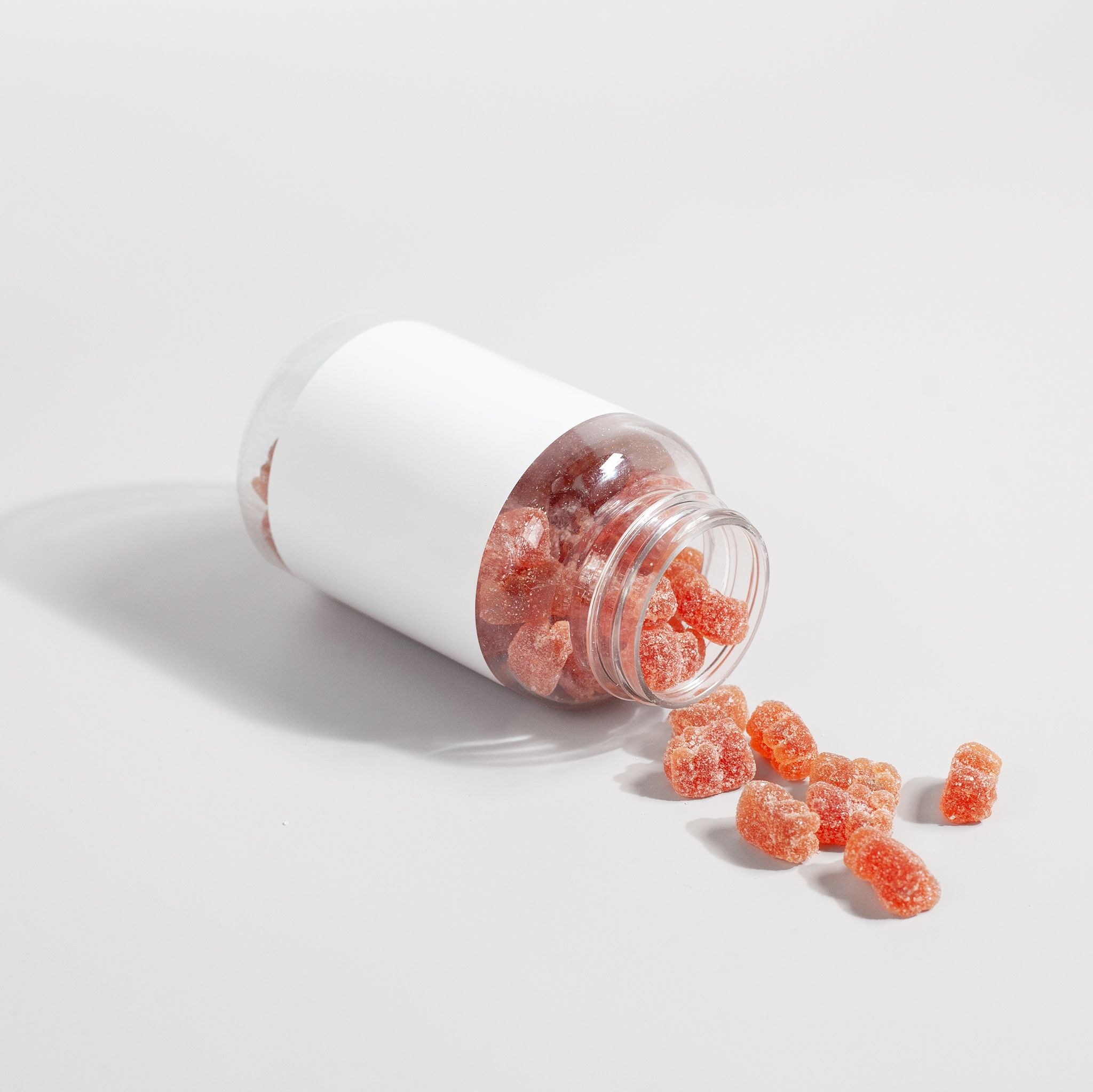
Gummies are chewy, sweet and fun. They are made by cooking a base of pectin or gelatin with sugar, then adding your active ingredients and pouring the mix into moulds. After that, the gummies are dried, cured and sometimes coated to keep them from sticking.
Heat is the tricky part. Some vitamins and probiotics do not like high temperatures, so a skilled gummy manufacturer has to adjust the process to protect them. That is why you want a partner who has done this many times before.
Best for taste-first products
Gummies win when flavour is the main event. Kids, teens and adults who dislike pills often reach for gummies first.
Great for lifestyle vitamins
Multivitamins, biotin, collagen and sleep support all work well in gummy form. They feel more like a treat than a chore.
Key Differences at a Glance
Here is a simple comparison to help you decide. Remember that every formula is different, so always confirm details with your manufacturer.
- Ingredient fit: Softgels suit oils and liquids. Gummies suit powders, vitamins and flavours.
- Taste: Gummies can be flavoured and sweetened. Softgels are usually swallowed whole.
- Production steps: Softgels are sealed in one machine. Gummies need cooking, moulding, drying and curing.
- Cost per unit: Softgels are often cheaper at scale. Gummies cost more because of the extra steps and ingredients.
- Shelf life: Softgels protect sensitive oils well. Gummies need careful moisture control.
- Market appeal: Gummies attract new and younger buyers. Softgels attract experienced supplement users.
Neither format is better in every case. The right choice depends on your ingredient, your audience and your budget.
What to Look for in a Manufacturing Partner
Once you know your format, the next step is finding the right factory. A strong partner makes everything easier, from sampling to shipping.
Private label supplements made simple
If you want to launch fast, ask about private label supplements. You pick from ready formulas, add your brand name and packaging, and go to market without a long development cycle.
Halal and quality standards
For many markets, halal matters. Working with a halal supplement manufacturer opens doors to Muslim consumers and shows you care about their needs. Also check that the facility follows good manufacturing practices and can share the paperwork you need.
Low MOQ and clear communication
New brands should look for low MOQ options so you can test the market without overcommitting. Clear updates, honest timelines and quick replies matter just as much as the machines.
Malaysia is a popular base for supplement production in Southeast Asia. Local manufacturers often combine competitive pricing with strong halal credentials and easy access to regional markets.
Making Your Final Choice
Start with your ingredient. If it is an oil, lean toward softgels. If it is a powder or you want a tasty chew, lean toward gummies. Then think about your customer. Are you selling to kids, busy adults or serious gym-goers?
You can also launch both. Many brands start with one format, learn what sells, then add the other later. A flexible supplement manufacturer can grow with you.
Softgel vs gummy supplement production really comes down to fit. Match the format to your formula and your audience, and you are already ahead.
Ready to explore your options? Reach out to our team for a free quote or a friendly consultation. We will help you compare softgels and gummies for your product and guide you from idea to shelf.