When you plan to launch your own supplement brand, you might not think about the factory floor. But the design of a supplement factory floor matters more than you think. It affects product quality, safety, and even your production costs. In this guide, we explain what good supplement factory floor design looks like and why it matters for your brand. Whether you work with a supplement manufacturer or a gummy manufacturer, understanding the basics helps you ask the right questions.
Why Factory Floor Design Matters for Your Supplements
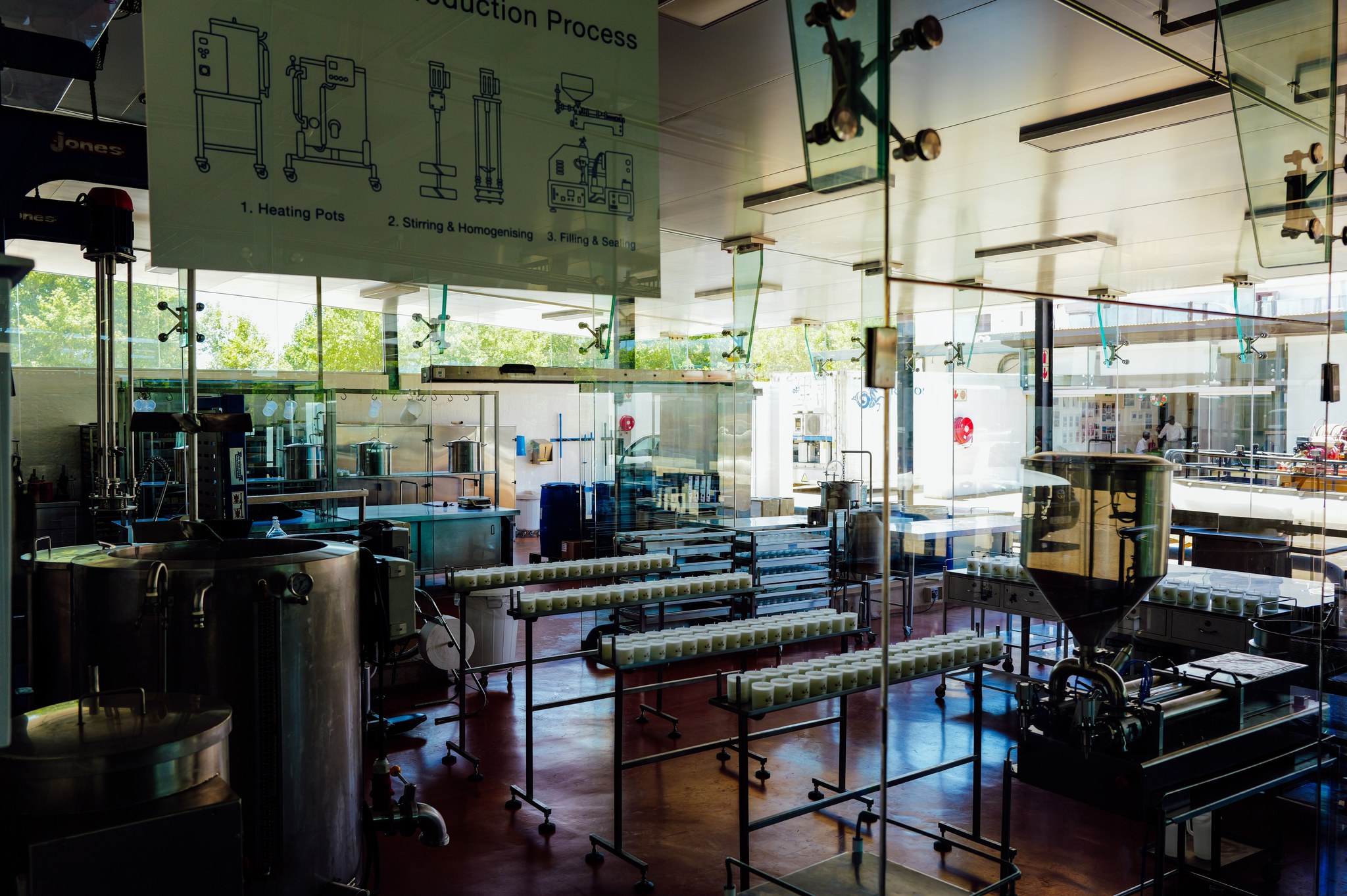
The layout of a factory floor is not just about looks. It is about creating a smooth flow of materials and people. A well-designed floor helps prevent cross-contamination. It also makes cleaning easier and reduces the risk of errors. For you, this means consistent product quality and fewer delays.
Good design also supports compliance with good manufacturing practices, often called GMP. A GMP-certified facility follows strict rules for hygiene and process control. The floor layout is a key part of meeting those rules. When you choose a supplement OEM, ask about their factory design and how it supports safety.
Key Areas in a Supplement Factory Floor
Every supplement factory has several important zones. Each zone has a specific purpose. Here are the main areas you should know about:
- Raw material storage: This area keeps ingredients safe and organized. It must control temperature and humidity.
- Weighing and dispensing: Here, workers measure ingredients precisely. This area is often separated to avoid dust.
- Manufacturing or blending: This is where ingredients are mixed. The equipment must be easy to clean.
- Encapsulation or tableting: For capsules and tablets, this is where the product takes shape.
- Gummy production line: For a gummy manufacturer, this area has special equipment for cooking, molding, and cooling.
- Packaging area: This is where the product is bottled, labeled, and boxed.
- Quality control lab: This lab tests raw materials and finished products.
Each area has its own requirements. For example, the gummy line needs good ventilation to manage sugar dust. The lab needs separate air pressure to keep contaminants out. A smart design places these areas in the right order to avoid backtracking.
Design Features That Improve Quality and Safety
Good factory floor design includes several practical features. These features help keep your products safe and consistent. Let’s look at some of them.
Separation of Wet and Dry Areas
Wet areas, like cleaning zones, are kept separate from dry areas, like blending rooms. This prevents moisture from damaging ingredients. It also reduces the growth of bacteria. A clear separation is a sign of a thoughtful supplement manufacturer.
Air Filtration and Pressure Control
Air quality is critical. Many factories use HEPA filters to remove dust and microbes. They also create positive air pressure in clean rooms. This pushes air out, so outside air cannot enter. For your private label supplements, this means lower risk of contamination.
Smooth, Easy-to-Clean Surfaces
Floors and walls should be smooth and non-porous. This makes them easy to wash and disinfect. Corners are often curved to avoid dirt buildup. These details are important for meeting hygiene standards.
Logical Workflow
The flow of materials should be one-way. For example, raw materials enter at one end, and finished products leave at the other. This reduces the chance of mix-ups. It also makes the process faster and more efficient.
How Floor Design Affects Your Product and Budget
You might wonder how floor design impacts you directly. First, it affects the halal certification of your products. A halal supplement manufacturer must ensure no cross-contact with non-halal substances. A proper layout with dedicated lines helps achieve this.
Second, good design can lead to low MOQ (minimum order quantity). When a factory is efficient, it can handle smaller batches without wasting resources. This is great for startups or brands testing new products.
Finally, a well-designed floor reduces the risk of production errors. Fewer errors mean fewer rejected batches. That saves money and time for both you and the manufacturer. So, when you compare supplement OEM partners, ask about their factory layout and how it supports quality.
At our facility in Malaysia, we take floor design seriously. We are a halal supplement manufacturer and follow strict GMP guidelines. If you are looking for a reliable partner for your supplement OEM or gummy OEM needs, we are here to help. Contact us today for a free quote or consultation. Let’s create something great together!