Thinking about selling your supplement brand in Southeast Asia? Smart move. The region is growing fast, and consumers are more health-conscious than ever. But getting your products into these markets takes more than just good intentions. You need the right partner, the right certifications, and a clear plan. This guide walks you through the key steps, from choosing a supplement manufacturer to navigating local rules. Let’s dive in.
Why Southeast Asia Is a Hot Market for Supplements
Southeast Asia is a diverse region with over 600 million people. Countries like Indonesia, Vietnam, and the Philippines are seeing a rise in disposable income. That means more people can afford health products. Plus, the pandemic pushed everyone to focus on immunity and wellness. This trend is not slowing down.
But here’s the catch: each country has its own rules. What works in Malaysia might not fly in Thailand. You need a strategy that respects local tastes and regulations. A good gummy manufacturer or pill maker can help you adapt your formulas to fit regional preferences.
Know Your Target Markets
- Indonesia: The largest market, but strict halal rules. You’ll need halal certification from a recognized body.
- Vietnam: Fast-growing and open to new brands, but registration can be slow.
- Thailand: A mature market with a strong demand for beauty and wellness supplements.
- Philippines: High social media usage, so digital marketing works well here.
Don’t try to enter all markets at once. Pick one or two to start. Test the waters, learn the ropes, and then expand.
Work with a Local OEM Partner to Avoid Headaches
Exporting supplements is not like shipping t-shirts. You have to deal with ingredient approvals, label claims, and import permits. A local supplement OEM can handle these headaches for you. They already know the rules and have the right connections.
When you choose an OEM partner, look for one with a GMP-certified facility. GMP stands for Good Manufacturing Practice. It’s a standard that ensures your products are made safely and consistently. Also, ask about their experience with private label supplements. That means they can put your brand on their existing formulas, which saves you time and money.
The Role of Halal Certification
If you plan to sell in Malaysia or Indonesia, halal isn’t optional. It’s a must. Even if your product is not for Muslims, having halal certification opens doors. Many consumers see it as a mark of quality and safety. A halal supplement manufacturer will have the proper certifications and know how to keep your supply chain clean.
Don’t worry if you’re not familiar with halal. Your OEM partner can guide you through the process. They can also help you get the necessary export documents from your home country.
Product Formats That Sell Well in SE Asia
Gummies are a huge hit right now. They’re easy to take, taste good, and look great on social media. If you’re thinking of launching a supplement, consider starting with gummies. They have a lower barrier to entry because people are more willing to try something that feels like a treat.
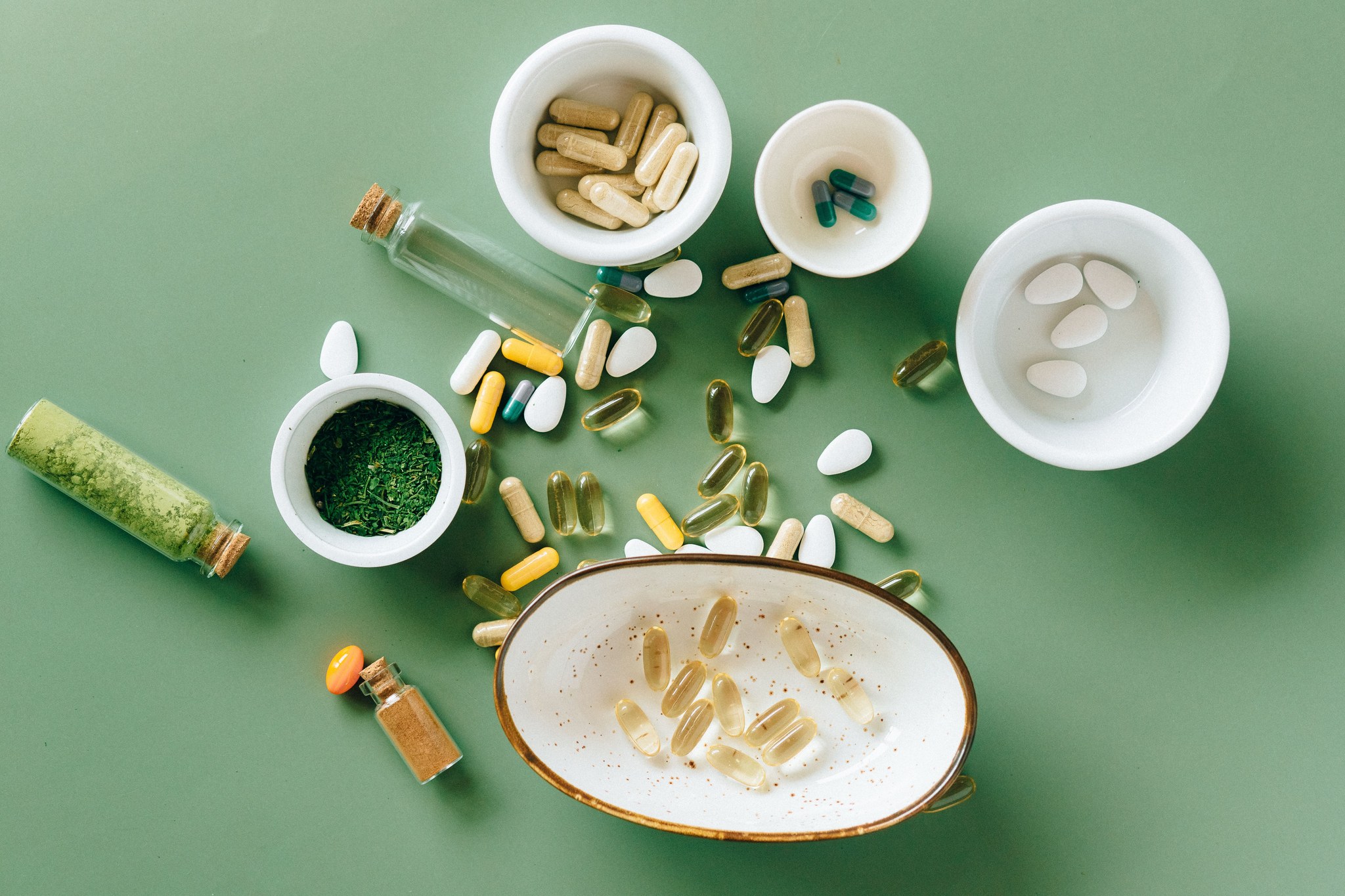
But gummies aren’t the only option. Capsules and powders still have a strong market, especially for serious health concerns. The key is to match the format to your target audience. For example, younger consumers prefer gummies and effervescent tablets. Older consumers might stick with traditional pills.
- Gummies: Great for vitamins, immunity boosters, and beauty supplements.
- Capsules: Best for herbal extracts and targeted nutrients.
- Powders: Popular for protein, collagen, and sports nutrition.
Your gummy manufacturer can help you create custom shapes, flavors, and textures. That way, your product stands out on the shelf.
Tips for a Smooth Market Entry
Ready to start exporting? Here are some practical tips to keep in mind.
- Check the label rules: Each country has its own list of allowed health claims. Don’t promise what you can’t prove.
- Packaging matters: Make sure your labels are in the local language. That means hiring a translator who knows the regulatory terms.
- Work with a distributor: A local distributor can help you get your products into stores and pharmacies. They know the retail landscape better than you do.
- Start small: Test with a small batch to see how the market reacts. You can always scale up later.
Remember, exporting supplements to SE Asia is a marathon, not a sprint. It takes time to build trust and brand recognition. But with the right partner, you can make it happen without pulling your hair out.
So, are you ready to take your brand global? If yes, reach out to us today. We’re a Malaysian supplement manufacturer with years of experience in the region. We can help you with everything from formulation to packaging to shipping. Get your free quote now and let’s make your supplement brand a success in Southeast Asia.