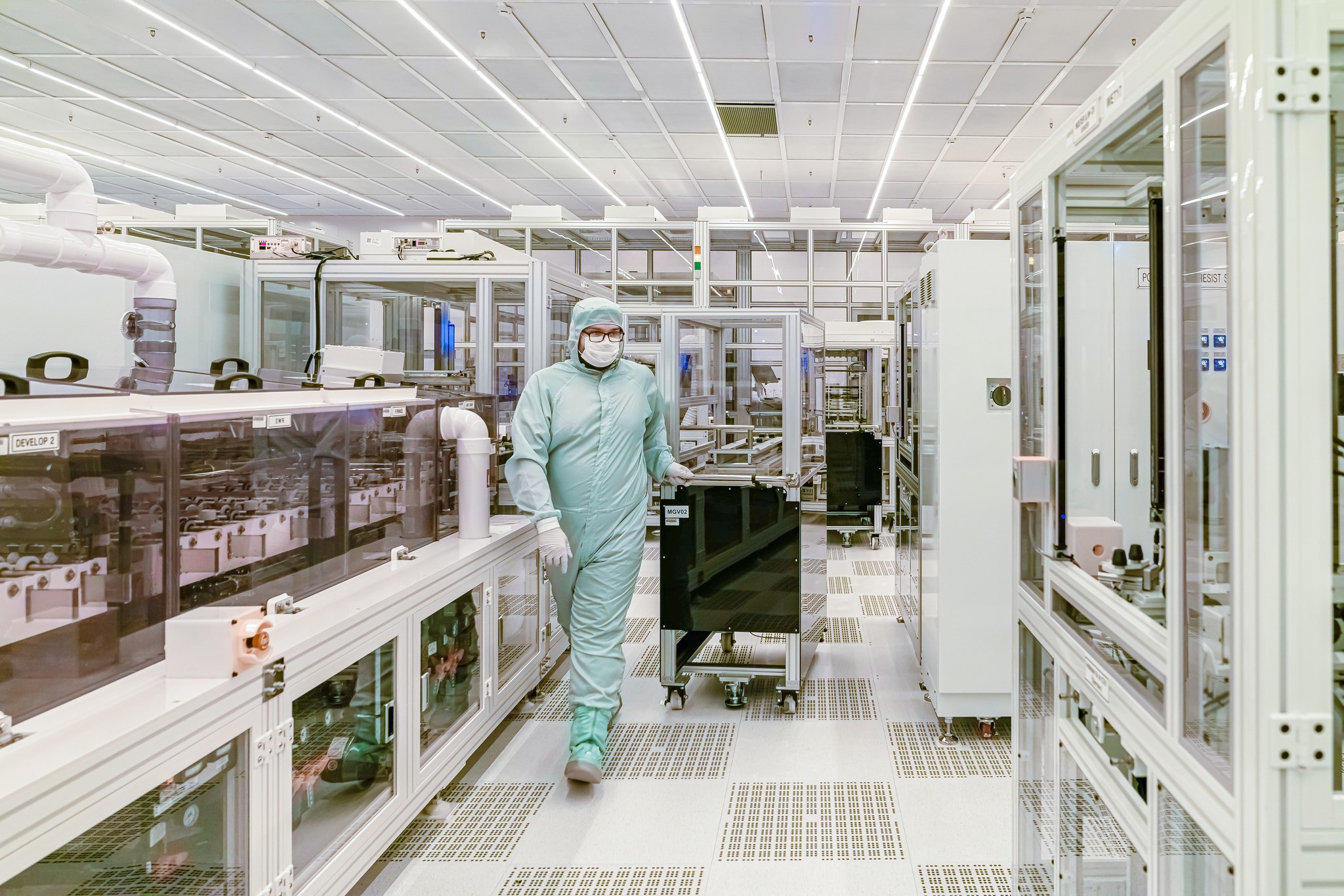
If you are planning to launch your own supplement line, you have probably heard the term cleanroom. It sounds technical, but it really just means a controlled space where the air, surfaces, and people are managed to keep dust and germs out of your product. Understanding cleanroom standards in supplement manufacturing helps you ask better questions and pick a partner you can trust. This guide walks you through the basics in plain language, so you know what to look for before you sign anything.
Why Cleanrooms Matter for Supplements
Supplements are ingested, so cleanliness is not optional. A cleanroom reduces the risk of contamination from particles, microbes, and even the people working inside. For you as a brand owner, that means fewer quality headaches and a product you can stand behind.
When you work with a supplement manufacturer that follows proper cleanroom standards, you get consistency batch after batch. That consistency is what builds customer trust and protects your brand name. It also makes it easier to pass audits and meet retailer requirements.
Cleanroom standards are especially important for certain product types. Powders, liquids, and gummies all have different exposure risks. A gummy manufacturer needs tight control because gummies are often handled more and have a moist surface that can attract microbes. Knowing this helps you ask the right questions.
The Core Cleanroom Standards You Should Know
Cleanrooms are usually classified by how clean the air is. You may hear terms like ISO classes or Grade D. In simple terms, the lower the number, the cleaner the room. For supplement production, the key is that the room is suitable for the type of product being made.
Here are the main things a good cleanroom setup should cover:
- Air filtration – special filters remove particles from the air, and the room is kept under positive pressure so outside air does not drift in.
- Surface and equipment design – easy-to-clean surfaces, no cracks, and equipment that can be sanitized between batches.
- Personnel controls – staff wear protective clothing, follow gowning steps, and are trained on hygiene rules.
- Environmental monitoring – regular checks on air quality, surfaces, and sometimes personnel to confirm the room stays clean.
- Material and waste flow – raw ingredients and finished products move in a controlled way to avoid cross-contamination.
A supplement OEM that takes these points seriously will be happy to show you their procedures. If they are vague or defensive, that is a red flag.
How Cleanrooms Fit Into the Bigger Quality Picture
Cleanrooms are one piece of a larger quality system. They work together with good manufacturing practices, or GMP. GMP is a set of rules that covers everything from ingredients to finished goods. A GMP-certified facility uses cleanrooms as part of its daily routine, not as a one-time setup.
For brands selling in Malaysia and beyond, halal is often a key requirement. A halal supplement manufacturer must also manage cleanliness in a way that avoids cross-contamination with non-halal materials. Cleanroom discipline supports that separation and makes halal audits smoother.
What to check during a factory visit
If you can visit the factory, ask to see the cleanroom entrance, the gowning area, and the monitoring records. Look for clear signs of routine cleaning and organized storage. These small details tell you a lot about daily habits.
Questions to ask any supplement manufacturer
Ask how they classify their cleanrooms, how often they monitor air and surfaces, and what happens when a result is out of range. Also ask how they train staff and how they handle cleaning between different products. Clear, confident answers are a good sign.
Choosing a Partner That Takes Cleanrooms Seriously
Your choice of manufacturing partner affects everything from product quality to your brand reputation. When you compare private label supplements providers, look beyond the price list. Ask about cleanroom standards, quality systems, and how they document their processes.
A reliable partner will offer a low MOQ for startups, clear communication, and a willingness to walk you through their facility. They should also be able to explain how cleanroom standards in supplement manufacturing apply to your specific product format, whether it is a gummy, capsule, or powder.
Remember that cleanroom standards are not just about passing an inspection. They are about protecting your customers and your brand every single day. A partner who treats cleanliness as a habit, not a checkbox, is worth the effort to find.
Ready to move forward? If you are looking for a supplement OEM in Malaysia that can guide you through cleanroom standards and help bring your product to life, we are here to help. Reach out for a free quote or a friendly consultation, and let’s talk about your idea.