
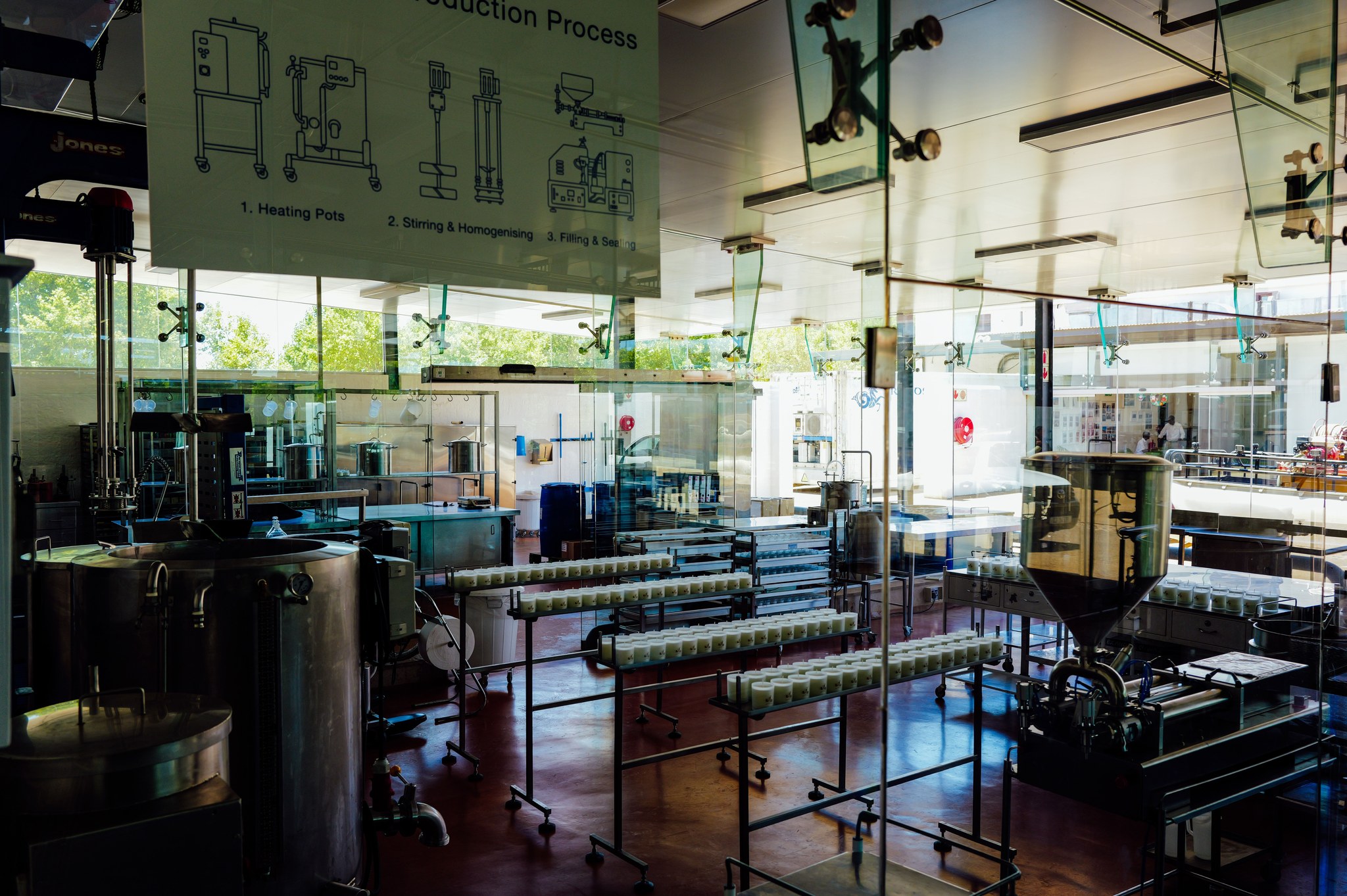
If you are planning to launch your own supplement brand, the factory behind your product matters as much as the formula. A well-planned supplement factory floor design keeps ingredients moving in one direction, reduces mix-ups, and helps your product stay consistent from the first batch to the thousandth. In this article, we will walk you through how a smart layout works, what to look for, and how it supports private label supplements and custom formulations.
Why the Layout Matters More Than You Think
A factory floor is not just a big empty room with machines. It is a planned route. Raw materials come in one side, get weighed, mixed, formed, packed, and leave as finished goods on the other side. When that route is clear, everything is faster and cleaner.
Good supplement factory floor design separates areas by purpose. It also controls who walks where. This matters because powders, liquids, and gummies behave differently. Cross-contamination is a real risk if you are not careful.
For you as a brand owner, a smart layout means fewer delays, fewer rejected batches, and more predictable lead times. That is what lets you promise your customers a delivery date and actually keep it.
The Main Zones You Will See in a Supplement Factory
Most reputable facilities divide the floor into clear zones. The exact names vary, but the logic is the same. Here is what you would typically find when you tour a supplement manufacturer.
- Receiving and quarantine area – incoming ingredients are checked and held until approved.
- Weighing and dispensing room – ingredients are measured to exact amounts, often in a controlled environment.
- Production hall – mixing, blending, tableting, capsule filling, or gummy cooking happens here.
- Packaging area – bottles, sachets, or jars are filled, sealed, and labelled.
- Warehouse and dispatch – finished goods are stored and prepared for shipping.
Each zone has its own air, cleaning, and clothing rules. When these are respected, the risk of mix-ups drops a lot.
The Weighing Room
This is where accuracy is won or lost. A small error in a vitamin or mineral can throw off a whole batch. A good layout keeps scales, scoops, and ingredient bins close together so staff do not walk far with open containers.
The Gummy Kitchen
Gummies need their own setup. Heat, moisture, and cooling time all matter. A gummy manufacturer usually keeps cooking, depositing, and drying in one connected line. That way the gummy mix does not sit around and lose its shape or texture.
The Packaging Line
Packaging is closer to the customer than any other step. Labels must be correct, seals must hold, and batch codes must be clear. A straight packaging line with space for quality checks helps catch problems before goods leave the building.
How the Floor Plan Supports Halal and Quality Standards
If you plan to sell in Malaysia or other Muslim-majority markets, working with a halal supplement manufacturer is often a priority. Halal compliance is not only about ingredients. It also touches how the floor is organised.
For example, areas used for halal products should be kept separate from any non-halal activity. Cleaning schedules, tools, and storage need to follow strict rules. A layout that already builds in this separation makes audits smoother and keeps your brand safe.
Quality systems like GMP-certified facility practices also depend on layout. Clear zones, controlled airflow, and one-way movement of people and materials all support good manufacturing practice. When you visit a factory, ask how they handle these points. The answers tell you a lot.
What to Look For When You Choose a Partner
You do not need to be an engineer to judge a factory floor. You just need to ask the right questions. Here is a simple checklist you can bring to your next meeting with a supplement OEM.
- Are raw materials and finished goods kept apart?
- Is there a dedicated area for weighing and dispensing?
- How do they prevent cross-contamination between products?
- Do they have separate lines or rooms for gummies, capsules, and powders?
- How is cleaning tracked and recorded?
- Can they support low MOQ runs for a new brand?
Also ask about capacity. A factory that is too small for your growth plans may slow you down later. One that is too large may not give your small first order much attention. The right fit matters.
Finally, look at how staff move. If people are constantly crossing paths or walking long distances with open ingredients, that is a sign the layout could be better. Smooth movement usually means smooth production.
Bringing It All Together
Good supplement factory floor design is about flow, separation, and control. It protects product quality, supports halal and GMP requirements, and helps your brand deliver on time. Whether you are starting with a small batch of gummies or planning a full range of private label supplements, the factory you choose should feel organised and calm, not chaotic.
Ready to see how a well-planned floor can work for your product? Reach out to our team for a free quote or consultation. We are happy to walk you through our setup, answer your questions, and help you plan your next supplement launch with confidence.