If you plan to sell supplements in the United States, your label is not just a sticker. It is a legal document. Get it wrong and your shipment can be stopped, your listing pulled, or your brand fined. The good news is that FDA compliant supplement labeling follows clear rules you can check one by one. This guide walks you through the practical steps, whether you are working with a supplement manufacturer in Malaysia or building your own brand from scratch.
Start With the Supplement Facts Panel
The Supplement Facts panel is the heart of your label. It tells the buyer exactly what is inside the bottle and how much. The FDA has a set format for this panel, and small changes in font size or spacing can make it non-compliant.
Here is what the panel must show:
- Serving size — for example, two gummies or one capsule.
- Servings per container — how many doses the pack holds.
- Amount per serving — the weight or unit of each ingredient.
- % Daily Value — only when a Daily Value exists for that nutrient.
- Other ingredients — listed by weight, from largest to smallest.
If you are making gummies, remember that the panel is based on the finished gummy, not the raw mix. A good gummy manufacturer will give you the exact formula data so your label matches what is actually in the product.
Ingredient Names Must Be Standard
Use the common or usual name of each ingredient. Do not invent fancy names on the Supplement Facts panel. Save the marketing language for the front of the label.
Watch the Units
Milligrams, micrograms, and grams all have their own rules. Mixing them up is one of the most common label mistakes we see from new brands.
The Statement of Identity and Net Quantity
Every supplement label needs a statement of identity. That is the common name of the product, like “Dietary Supplement” or “Vitamin C Gummies.” It must appear on the principal display panel — the part of the label the buyer sees first.
Next to it, you need the net quantity of contents. This tells the buyer how much product is inside, in weight or count. For example, “60 Gummies” or “90 Capsules.” The font size depends on the size of your package, so check the FDA’s size rules before you print.
If you work with a private label supplements supplier, ask them for a label template. Many supplement OEM factories already have compliant layouts you can adapt to your brand.
Claims, Disclaimers and What You Cannot Say
This is where most brands get into trouble. The FDA does not allow supplement labels to claim the product treats, cures, or prevents a disease. That kind of language turns your supplement into a drug in the eyes of the law.
You can make structure or function claims, like “supports immune health.” But if you do, you must add the standard disclaimer. It usually reads: “This statement has not been evaluated by the FDA. This product is not intended to diagnose, treat, cure, or prevent any disease.”
Keep these points in mind:
- No disease claims — even soft wording can cross the line.
- Disclaimer placement — it must be easy to read, not hidden in tiny print.
- No false promises — like “lose 10kg in a week.”
- Keep proof on file — you need evidence that your claims are truthful.
A reliable supplement manufacturer will flag risky claims before your label goes to print. That saves you time and money later.
Allergens, Halal and Other Labels Buyers Look For
US rules require you to declare the eight major allergens when they are present in your product. These include milk, eggs, fish, shellfish, tree nuts, peanuts, wheat, and soybeans. If your product contains none of them, you can add a “contains no” statement, but only if it is true.
Beyond the FDA, many buyers look for extra marks. Halal certification matters a lot if you sell to Muslim customers in the US, Southeast Asia, or the Middle East. A halal supplement manufacturer can help you source ingredients that meet these standards and keep your labels consistent.
Other common labels include:
- GMP — shows the product was made in a good manufacturing practice facility.
- Non-GMO — only if your ingredients qualify.
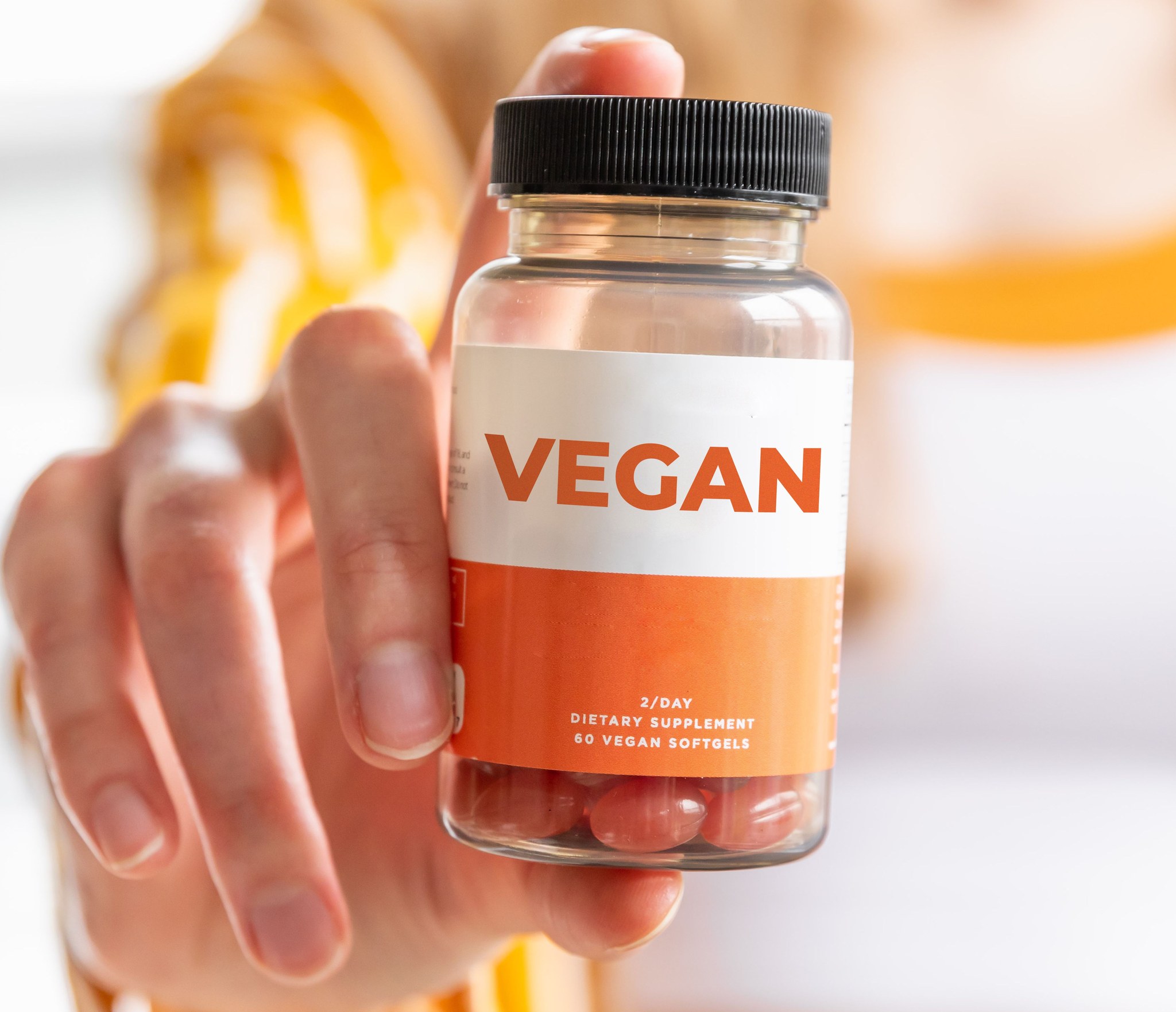
- Vegan or vegetarian — check your capsule or gummy base first.
- Gluten-free — must meet the FDA’s definition, not just a marketing word.
Make sure every claim on your label is backed by your supply chain. If your gummy uses gelatin, it is not vegetarian. If your capsule uses bovine gelatin, it may not be halal. These details matter to your customers.
A Simple Pre-Print Checklist
Before you send your label to the printer, run through this quick list:
- Supplement Facts panel uses the correct format and units.
- Statement of identity and net quantity are on the front panel.
- All claims are allowed and the disclaimer is present.
- Allergens are declared correctly.
- Halal, GMP, or other marks are valid and documented.
- Font sizes meet FDA minimums.
- Your manufacturer has reviewed the final artwork.
If you can tick every box, you are in good shape. If not, fix it now — not after the labels are printed.
Getting FDA compliant supplement labeling right is much easier when you work with a partner who does it every day. At our Malaysian facility, we help brands with formulation, supplement OEM production, and label review from start to finish. Whether you need capsules, powders, or gummies, our team can guide you through the rules and help you launch with confidence. Reach out today for a free quote or a friendly consultation — we are happy to help you get your label right the first time.