
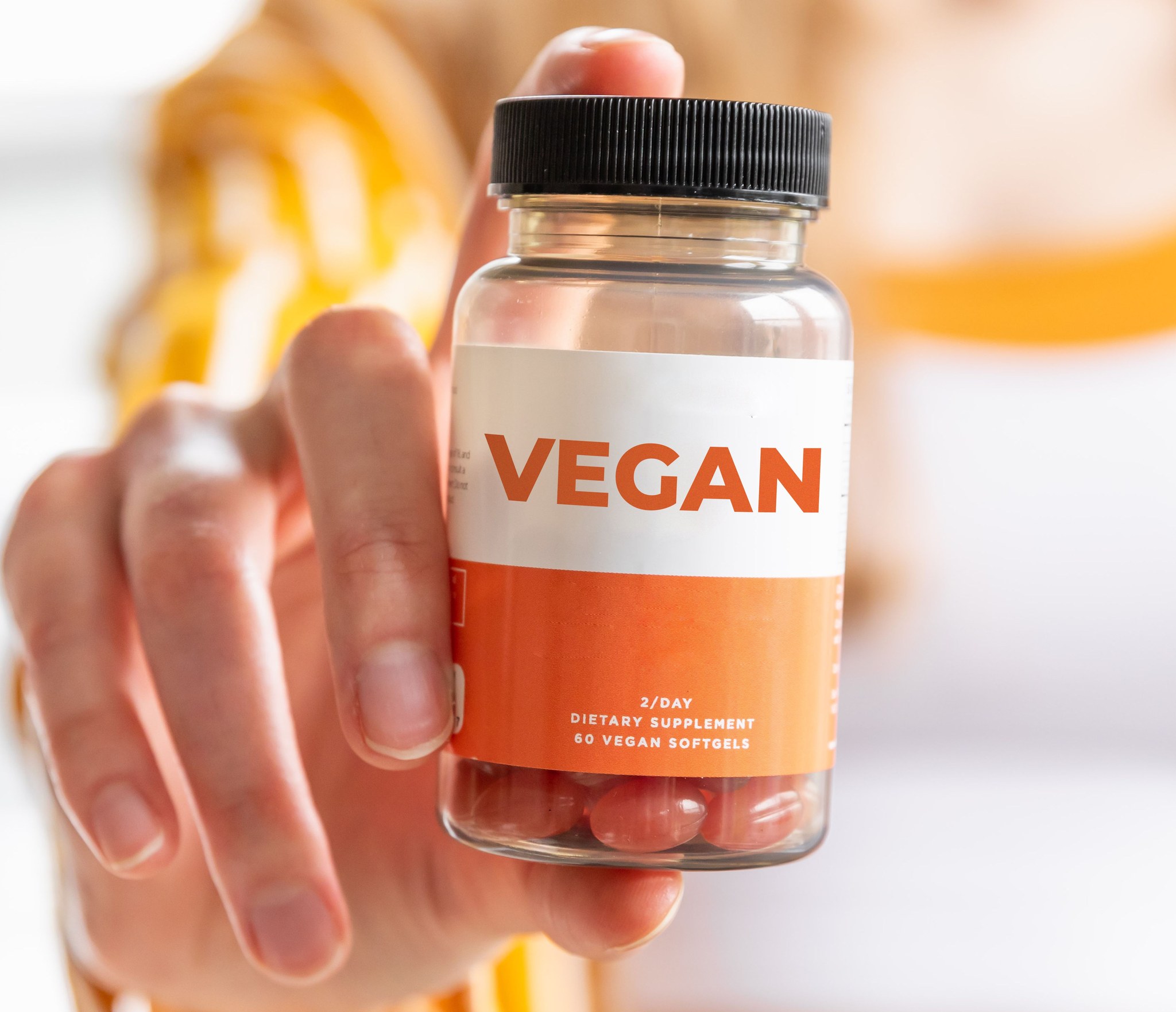
So you’ve got a great supplement idea. You’ve picked your ingredients, maybe even sketched a label. But before you print anything, there’s one thing that trips up a lot of new brand owners: supplement label claims regulation. Get it wrong and you could be looking at rejected labels, wasted packaging, or worse — trouble with the authorities. The good news? It’s totally manageable once you know the rules. This guide walks you through the basics in plain English, so you can launch with confidence.
What “Label Claims” Actually Means
In simple terms, a label claim is any statement on your packaging that tells the buyer what your product does or contains. That includes nutrient content claims (like “high in vitamin C”), health claims (like “supports immune health”), and structure/function claims (like “helps maintain healthy digestion”).
Under Malaysian rules — mainly the Food Regulations 1985 and guidelines from the Ministry of Health — every claim must be truthful, substantiated, and not misleading. You can’t say a product cures a disease unless it’s registered as a medicine. For supplements, you’re generally in food territory, so claims need to stay in the “supports” and “maintains” lane.
This is where a good supplement manufacturer earns their keep. They’ve seen hundreds of labels and know which phrases raise red flags.
The Most Common Label Claim Mistakes
Even experienced brands slip up. Here are the usual suspects we see:
- Disease claims in disguise — saying a product “treats” or “prevents” a condition. Switch to “supports” or “helps maintain” instead.
- Unsupported superlatives — words like “best”, “guaranteed”, or “clinically proven” without evidence to back them up.
- Missing or wrong nutrient values — your nutrition panel must match your actual formulation, not a rough estimate.
- Forgetting mandatory particulars — ingredient list, net weight, manufacturer details, and storage instructions all need to be there.
- Claiming halal without certification — if you want to say “halal”, you need proper halal certification from a recognised body.
Each of these can get your label rejected or, worse, your product pulled from shelves. A careful review before printing saves a lot of pain.
How to Build a Compliant Label (Step by Step)
Here’s a practical workflow that keeps you on the right side of the rules.
1. Start with your formulation
Your claims must match what’s actually in the product. If you’re working with a gummy manufacturer or capsule producer, lock the formula first. Then build claims around the nutrients and ingredients you can genuinely deliver.
2. Choose permitted claim language
Stick to approved nutrient content claims and gentle structure/function statements. Avoid anything that sounds like a drug claim. When in doubt, simplify.
3. Get your artwork checked
Before you send files to print, have someone experienced review the label. Many supplement OEM partners offer this as part of their service. It’s a small step that prevents big reprints.
4. Keep your evidence on file
If you make a claim, be ready to show why it’s true. Keep ingredient specs, lab reports, and any references handy. You don’t need to print them on the label, but you should have them.
Why Your Manufacturing Partner Matters
Choosing the right partner makes label compliance much easier. A reliable supplement manufacturer will know the local rules, flag risky claims early, and help you phrase things in a way that’s both appealing and compliant.
If you’re launching private label supplements, ask your manufacturer whether they review label artwork. Some do it in-house; others work with regulatory consultants. Either way, it should be part of the conversation from day one.
And if you’re targeting Muslim-majority markets, a halal supplement manufacturer can guide you on ingredient sourcing and certification so your halal claim stands on solid ground. That’s a big trust signal for buyers.
Remember: the cheapest label is the one you don’t have to reprint. A little upfront diligence goes a long way.
Ready to get your label right the first time? Reach out to our team for a free consultation or quote. We’ll help you review your claims, fine-tune your artwork, and move your product from idea to shelf — without the regulatory headaches.



