If you are building a supplement brand, sweetness is one of the first things your customers notice. Pick the wrong natural sweetener and your gummies turn sticky, your powder tastes bitter, or your label gets messy. This guide walks you through the main options, how they behave in real formulas, and what to ask your supplement manufacturer before you lock in a recipe.
Why Natural Sweeteners Matter in Supplement Formulation
Sweeteners do more than make things taste good. They affect texture, shelf life, mouthfeel and even how well your active ingredients blend. In natural sweeteners in supplement formulation, you are balancing three things: flavour, function and what you can legally say on the label.
Many brand owners come to a supplement OEM with a flavour idea but no clear sweetener plan. That is normal. The right partner will help you test a few options quickly so you do not waste months on a formula that fails.
Taste Is Not the Only Job
A sweetener can mask bitterness from herbs, vitamins or minerals. It can also add bulk in tablets or help a gummy hold its shape. So when you choose, think about the whole product, not just the first bite.
Label Claims Shape Your Choice
Words like no added sugar or naturally sweetened are powerful on packaging. But each claim comes with rules. Your manufacturer should tell you what you can and cannot say for your target market before you print anything.
Common Natural Sweetener Options
Here are the sweeteners you will hear about most often when developing a supplement. Each one behaves differently, so the best pick depends on your dosage form.
- Stevia – plant-based and very sweet, with little to no calories. Great for powders and drops, but it can leave a slight aftertaste if you use too much.
- Monk fruit – also plant-based, with a cleaner sweetness that many people prefer. Often blended with other sweeteners to balance cost.
- Erythritol and other sugar alcohols – add bulk and a cool mouthfeel. Useful in gummies and chewables, but too much can upset sensitive stomachs.
- Allulose – tastes close to sugar and browns nicely, which helps with baked or chewy formats.
- Honey, dates and fruit powders – familiar and label-friendly, but they add sugar and moisture, so they need careful handling.
- Thaumatin and glycyrrhizin – very strong sweeteners used in tiny amounts to boost flavour.
Most successful products use a blend. A gummy manufacturer, for example, might pair a sugar alcohol for texture with stevia or monk fruit for sweetness. That combo keeps the gummy soft without a heavy sugar load.
Matching Sweeteners to Your Dosage Form
The same sweetener can shine in one format and fail in another. Here is a quick way to think about it.
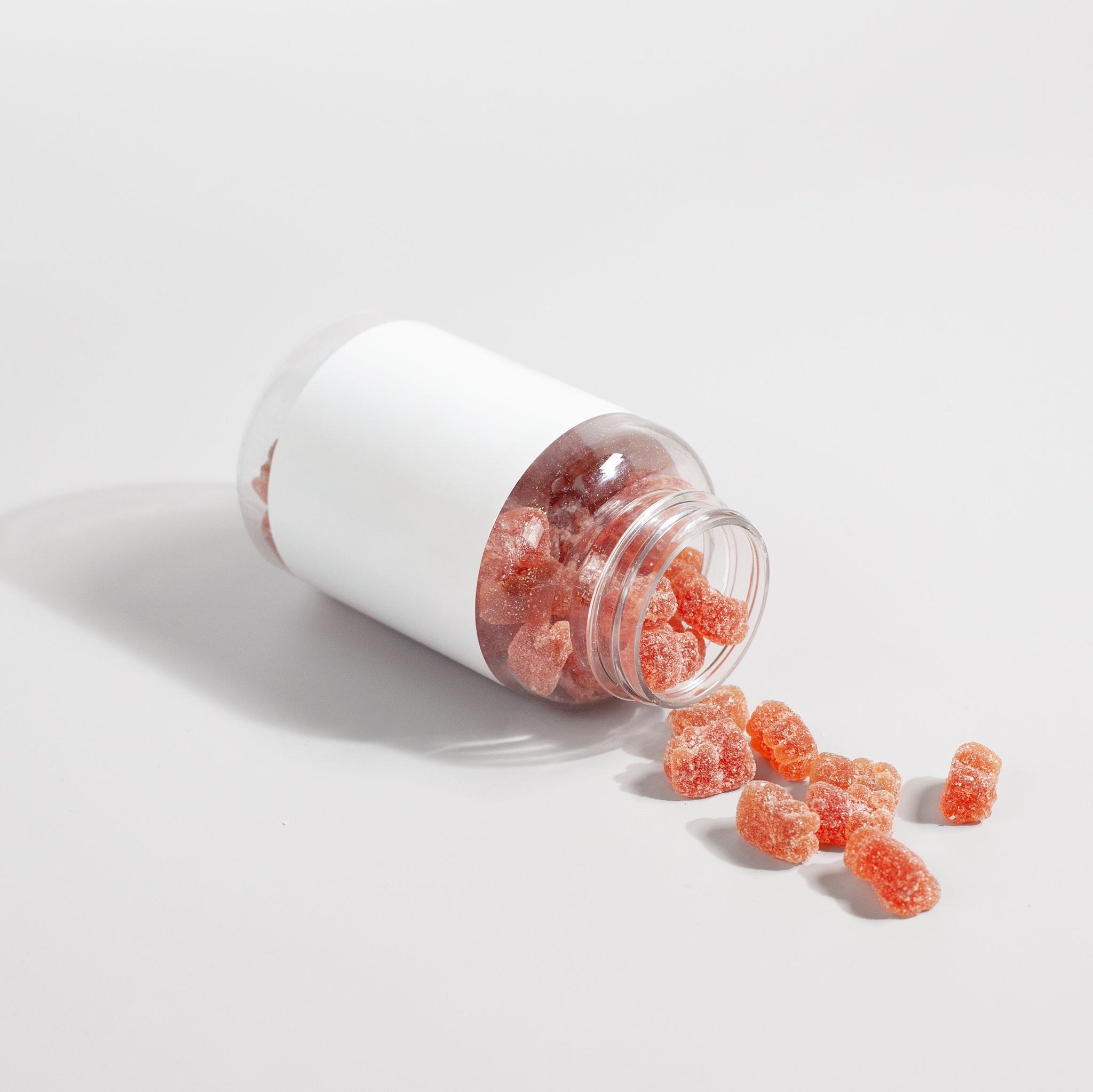
Gummies and Chewables
Texture is king. You need a sweetener that helps the gummy set and stay chewy. Sugar alcohols and allulose work well here, often with a small amount of stevia or monk fruit on top.
Powders and Stick Packs
Here, sweetness needs to dissolve fast and taste clean. Stevia and monk fruit are popular because they add almost no calories and mix easily. If you want a fuller taste, a blend with allulose can help.
Capsules and Tablets
Sweeteners play a smaller role, but they still matter for coating and swallowability. A tiny amount can smooth out an unpleasant aftertaste from strong actives.
Working With the Right Manufacturing Partner
Choosing sweeteners is easier when your manufacturer has tested them before. A good partner will run small samples, check stability, and flag any label issues early. This is where experience saves you money.
If you plan to sell in Malaysia or other Muslim-majority markets, look for a halal supplement manufacturer. That means the sweeteners and every other ingredient must meet halal requirements, and the production line must be handled correctly. Ask about documentation before you commit.
Many brands also start with private label supplements to test the market. You pick from ready formulas, choose your sweetener profile, and launch under your own brand. Once sales grow, you can move into full custom development.
When you talk to a supplement manufacturer, bring these questions:
- Which natural sweeteners do you stock and test most often?
- Can you provide samples with two or three sweetener blends?
- How will the sweetener affect texture, shelf life and label claims?
- Is your facility set up for halal production if I need it?
- What is the minimum order quantity for my chosen format?
Clear answers here will save you a lot of time later. You will also get a realistic view of cost, timeline and what your final label can say.
Ready to Build Your Formula?
Natural sweeteners in supplement formulation do not have to be confusing. With the right partner, you can taste-test options, lock in a formula, and launch a product your customers will actually enjoy. If you are ready to start, reach out to our team for a free quote or consultation. We will help you compare sweeteners, plan your label, and move from idea to shelf with confidence.