Choosing the right manufacturing partner can make or break your supplement brand. If you want to serve Muslim customers with confidence, you need a halal certified supplement manufacturer you can trust. But how do you separate a truly halal-compliant factory from one that just says so? This guide walks you through the key checks, from certification to production, so you can pick a partner with peace of mind.
Why Halal Certification Matters for Your Brand
Halal is more than a label. For Muslim consumers, it’s a sign that the product is free from forbidden ingredients and made in a clean, ethical way. A genuine halal certification shows you’ve done the homework, and it builds instant trust.
In Malaysia and across Southeast Asia, halal is a big deal. Many customers actively look for the halal logo before they buy. Working with a halal supplement manufacturer lets you tap into this demand without changing your brand’s identity.
It also opens doors. Halal-certified products can be marketed to Muslim-majority markets with confidence. That’s a real advantage for new and growing brands.
What to Look For in a Halal Certified Supplement Manufacturer
Not all manufacturers are equal. Here’s a simple checklist to help you ask the right questions.
- Valid halal certification from a recognised body. Ask to see the certificate and check the scope covers your product type.
- Clean, separate production lines to avoid cross-contamination with non-halal ingredients.
- Traceable ingredient sourcing so you know exactly what goes into your formula.
- Good Manufacturing Practice (GMP) standards. GMP is a set of rules that ensures products are made consistently and safely.
- Experience with your product format, whether it’s capsules, powders, or gummies.
Don’t be shy to ask for documentation. A serious supplement manufacturer will be happy to share it.
From Gummies to Capsules: Halal-Friendly Formats
Different products bring different halal considerations. A good partner will guide you through them.
Gummies
Gummies often use gelatin, which can be a halal concern if it’s from a non-halal source. A gummy manufacturer with halal certification will use halal-approved gelling agents or plant-based alternatives. Ask about the source upfront.
Capsules and Tablets
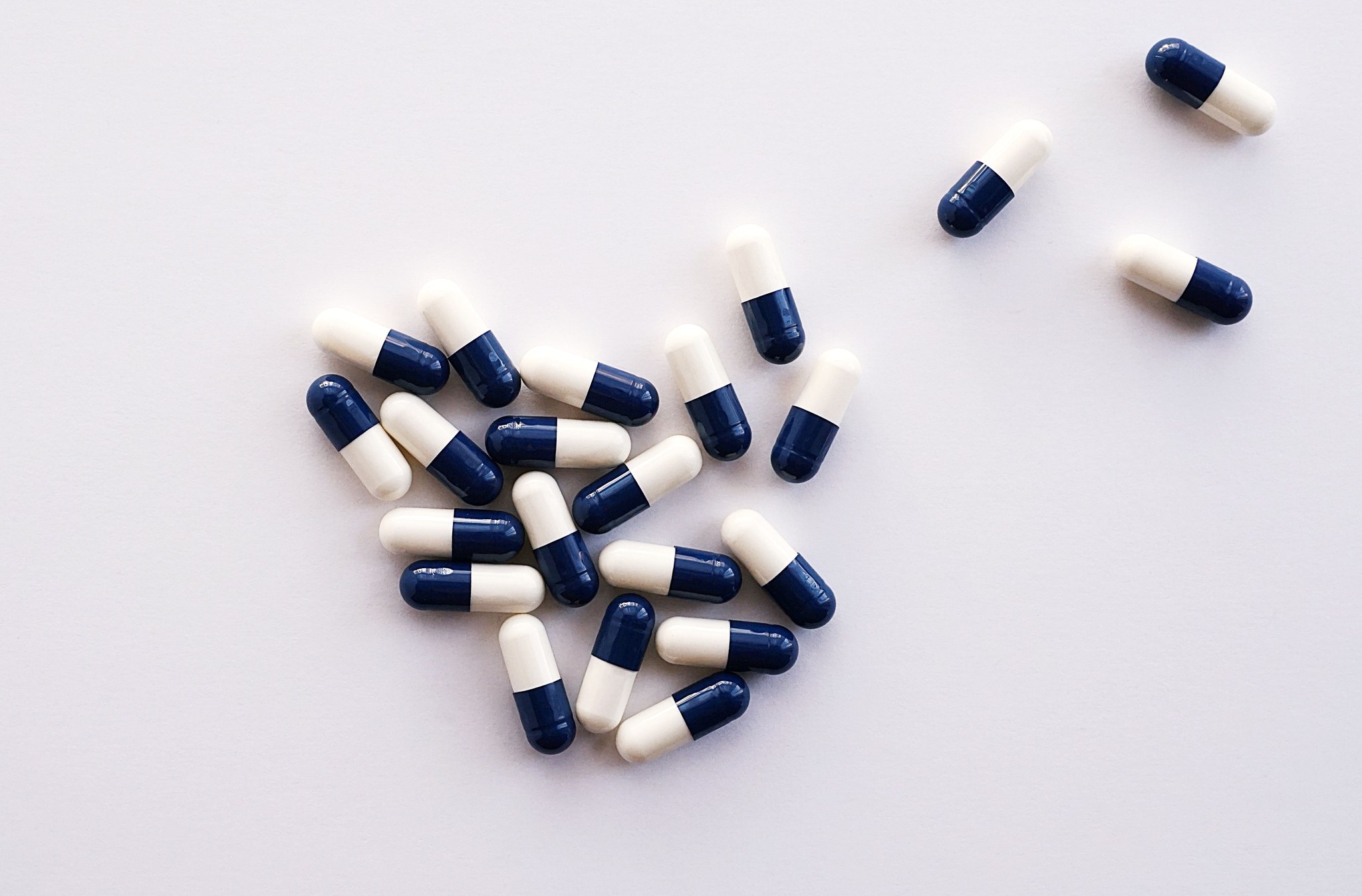
Capsule shells are usually made from gelatin or plant cellulose. Halal-certified manufacturers use certified halal gelatin or HPMC (plant-based) shells. Tablets need halal-approved binders and coatings too.
Powders and Liquids
Flavourings, carriers, and preservatives must all be halal-sourced. A certified facility will have a verified supply chain for these ingredients.
OEM vs Private Label: Which Fits Your Brand?
Once you’ve found a halal-certified partner, decide how you want to work with them. Two common options are supplement OEM and private label supplements.
With OEM, you can customise the formula, dosage, and packaging to create a unique product. This is great if you have a specific idea or want to stand out.
Private label means you choose from ready-made formulas and apply your brand. It’s faster and often more affordable, especially for startups. Both routes can be halal-certified, so pick what matches your goals and budget.
Ask about low MOQ (minimum order quantity) if you’re testing the market. Many manufacturers now offer flexible runs to help new brands start small.
Ready to Find Your Halal Manufacturing Partner?
Choosing a halal certified supplement manufacturer doesn’t have to be stressful. Focus on certification, transparency, and product experience. Ask questions, check documents, and choose a partner who makes you feel confident.
If you’re ready to take the next step, we’re here to help. Contact us for a free quote or consultation and let’s bring your halal supplement idea to life.