If you’re building a supplement brand, you’ve probably heard the term “cleanroom” thrown around. But what does it actually mean for your products? Cleanroom standards in supplement manufacturing are the rules and controls that keep dust, microbes, and cross-contamination out of the production space. In this article, we’ll break down why these standards matter, what to look for in a supplement manufacturer, and how they affect your final product.
What Is a Cleanroom and Why Does It Matter?
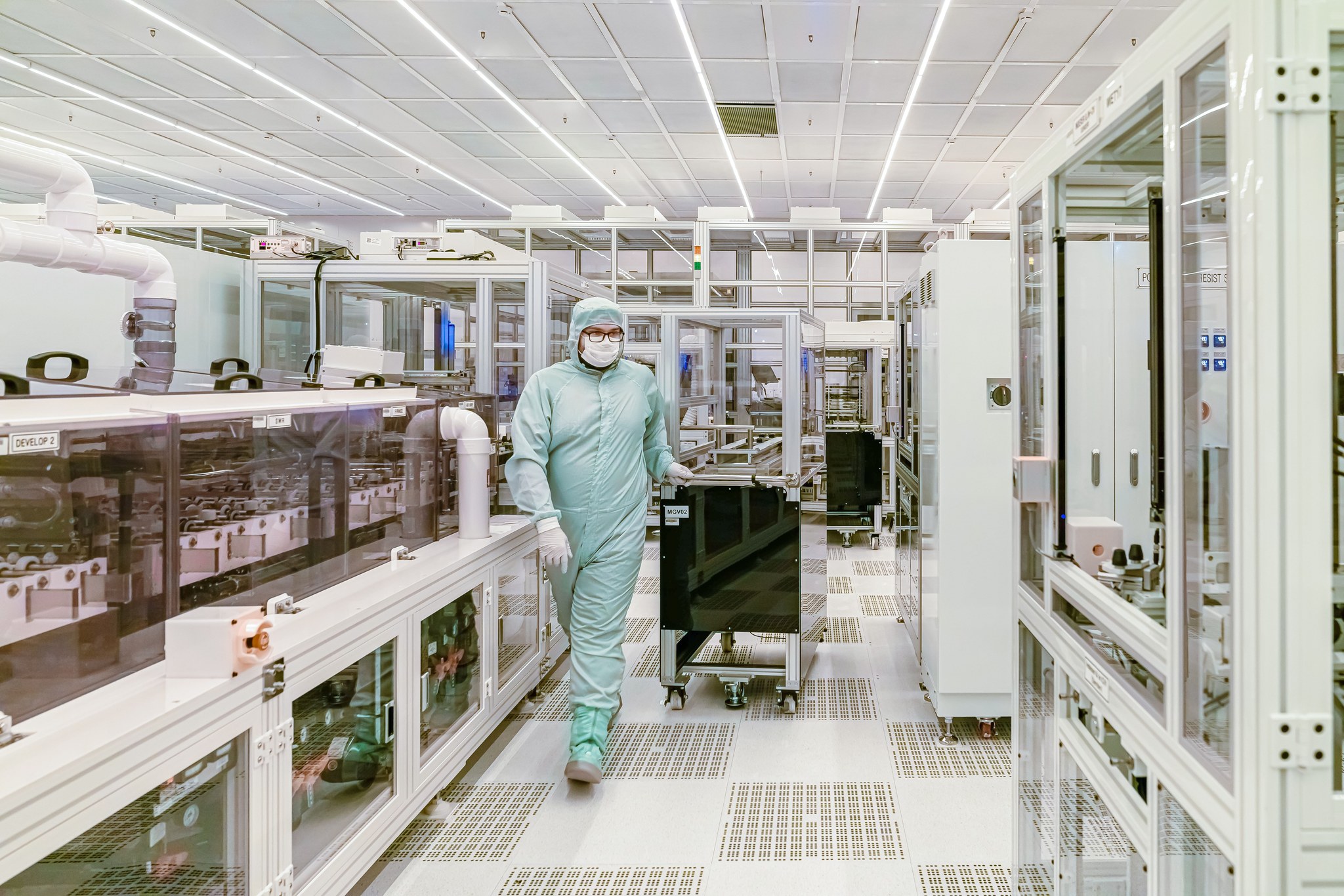
A cleanroom is a controlled environment where the air is filtered to remove particles like dust, dirt, and microorganisms. Workers wear protective clothing, and the room is kept under positive pressure so outside air doesn’t drift in. In supplement manufacturing, this matters because your ingredients are exposed during mixing, blending, and packaging. Without proper controls, contaminants can sneak in and affect product safety and shelf life.
Cleanrooms are graded by the number of particles allowed per cubic meter of air. The lower the number, the cleaner the room. For example, an ISO 8 cleanroom is less strict than an ISO 7. Most supplement production, especially for gummy manufacturer lines, happens in ISO 7 or ISO 8 environments. You don’t need to memorise the numbers — just know that a lower ISO class means tighter control.
Key Cleanroom Standards to Look For in a Supplement OEM
When you choose a supplement OEM partner, their cleanroom practices tell you a lot about their quality commitment. Here are the main things to check:
- Air filtration systems – HEPA filters that trap particles and keep the air clean.
- Pressure differentials – Rooms kept at different pressures to stop contamination from flowing into clean areas.
- Personnel gowning procedures – Workers wearing gloves, masks, hairnets, and shoe covers.
- Regular environmental monitoring – Swab tests and air sampling to confirm the cleanroom stays within limits.
- Cleaning and disinfection schedules – Written protocols for how often surfaces are cleaned.
These practices aren’t just for show. They help prevent cross-contamination between batches, which is especially important if you’re producing multiple flavours or formulas in the same facility.
Why Gummy Production Needs Extra Attention
Gummies are a bit different from capsules or tablets. They’re cooked, poured into moulds, and cooled — all steps where the product is exposed. A gummy manufacturer with strict cleanroom controls will keep the environment dry and cool to prevent stickiness and microbial growth. They’ll also separate allergy-prone ingredients like gelatin from vegan options to avoid mix-ups.
Halal Considerations in the Cleanroom
If you’re targeting Muslim consumers, your halal supplement manufacturer must ensure the cleanroom is free from non-halal contaminants. That means dedicated equipment, separate storage, and cleaning protocols that comply with halal requirements. A cleanroom that handles both halal and non-halal products needs a clear segregation plan. Always ask how they prevent cross-contact.
How Cleanroom Standards Affect Your Private Label Supplements
If you’re launching private label supplements, you’re putting your brand name on the bottle. That means any quality issue becomes your problem. Cleanroom standards directly impact:
- Product consistency – Clean environments mean fewer variations between batches.
- Regulatory compliance – Many countries require GMP (Good Manufacturing Practice) facilities, which include cleanroom controls.
- Consumer trust – A recall or contamination scare can damage your reputation permanently.
- Shelf life – Lower microbial load means your product stays fresh longer.
When you visit a potential manufacturer, ask to see their cleanroom. A transparent partner will be proud to show you their GMP-certified facility and explain their monitoring records.
Questions to Ask Your Potential Manufacturer
Before you sign a contract, get clear answers. Here’s a quick checklist:
- What ISO class are your cleanrooms?
- How often do you test for air and surface contamination?
- Do you have separate rooms for different product types?
- How do you handle allergen control?
- Are your cleanroom staff trained regularly?
A good supplement manufacturer will answer these without hesitation. If they dodge the questions, that’s a red flag. Remember, cleanroom standards aren’t just a technical detail — they’re the foundation of a safe, sellable product.
Ready to find a manufacturing partner who takes cleanroom standards seriously? Contact us for a free consultation and quote. We’ll walk you through our facility and help you launch your supplement brand with confidence.