If you run a supplement brand, you already know the hard part is not the idea. It is getting the right bottles, gummies or sachets made on time, at a fair price, without overstocking. That is where AI supply chain management for nutraceuticals is quietly changing things. In this article, we explain what it means in plain language, and how it affects your next product run with a Malaysian supplement manufacturer.
What AI Supply Chain Management for Nutraceuticals Actually Means
Think of AI here as a smart helper that reads patterns. It looks at your past orders, seasonal spikes, raw material lead times and shipping data, then suggests what to make and when. No crystal ball needed.
For a supplement OEM factory, this matters because ingredients like gelatin, pectin, collagen and herbal extracts have real shelf lives. Order too much and you waste money. Order too little and you delay a launch.
Demand forecasting made simple
Instead of guessing, the system studies your sales trends and tells you roughly how many units you will need next quarter. You plan production with fewer surprises.
Inventory that stays lean
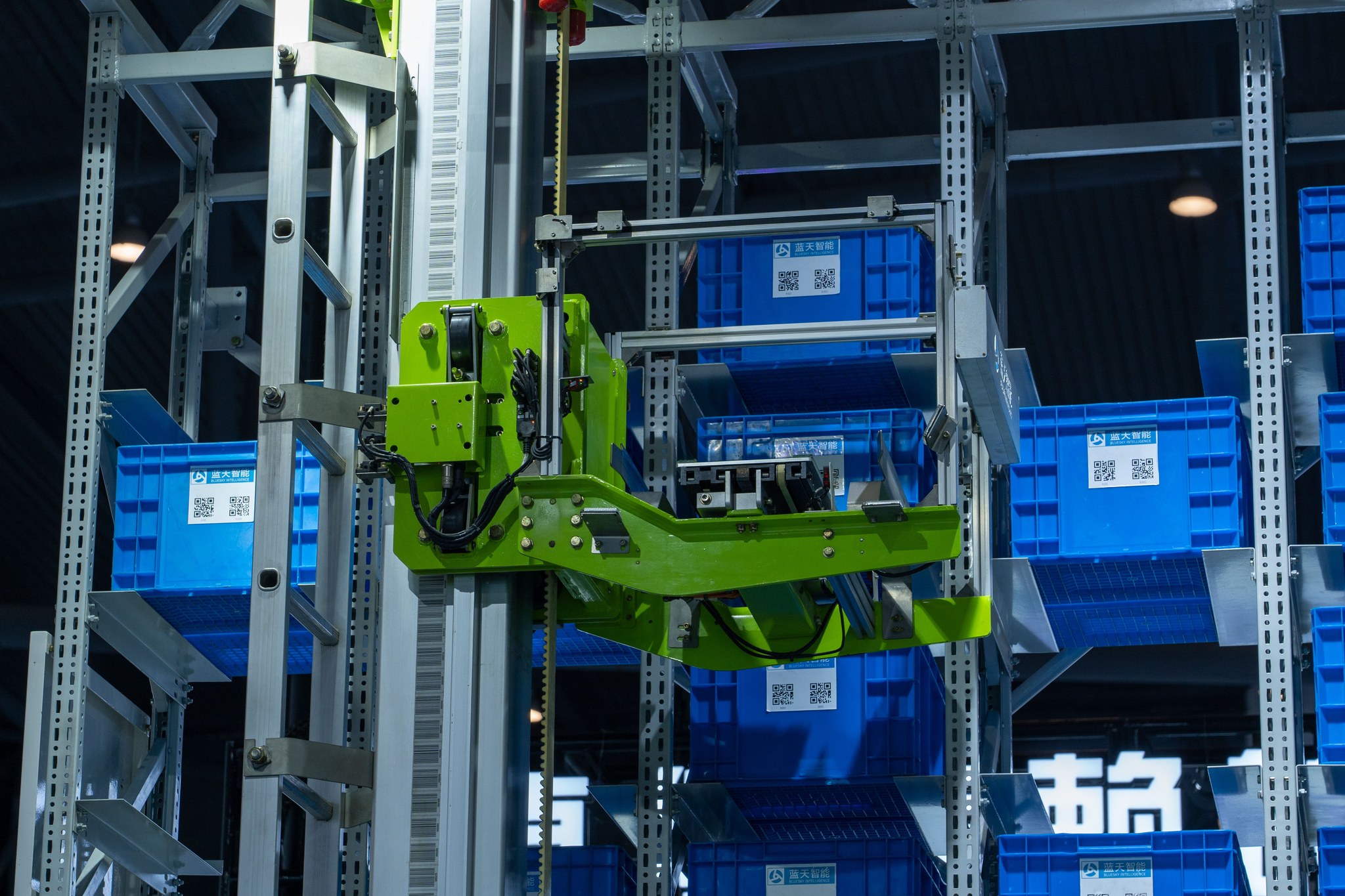
Raw materials are tracked in real time. When stock runs low, the system flags it early, so your gummy manufacturer can reorder before the line slows down.
Why This Matters for Your Brand
Most founders do not want to manage supply chains. You want products on shelves and happy customers. AI tools help your manufacturing partner do the heavy lifting behind the scenes.
- Faster quotes — costing and lead times come together quicker.
- Fewer stockouts — popular SKUs stay available.
- Less waste — fewer expired ingredients and dead stock.
- Better planning — clear timelines for launches and reorders.
This is especially useful when you sell private label supplements across several channels. Online, retail and export orders rarely move in a neat pattern, and AI handles that mess better than a spreadsheet.
Where Compliance and Halal Fit In
AI is not just about speed. It also helps with traceability. Every batch of ingredients can be logged, tracked and checked against your requirements.
If you sell to Muslim-majority markets, working with a halal supplement manufacturer is essential. A good system keeps halal documentation, batch records and supplier details in one place, so audits are smoother and nothing gets lost.
Traceability also supports quality checks. If a supplier changes an ingredient source, you can see it early and decide what to do.
What to Look For in a Manufacturing Partner
You do not need to become a tech expert. You just need a partner who uses these tools well. Here is a simple checklist:
- Can they forecast demand with you, not just take orders?
- Do they track raw materials and share lead times clearly?
- Is batch and halal documentation easy to access?
- Do they offer low MOQ options for new brands?
- Is the facility GMP-certified and open to audits?
Ask these questions early. The answers tell you whether your production runs will feel calm or chaotic.
The Bottom Line
AI supply chain management for nutraceuticals is not hype for its own sake. It is a practical way to forecast better, waste less and launch on time. For your brand, that means more energy spent on marketing and customers, and less on chasing stock.
Ready to plan your next product? Talk to our team for a free quote or consultation. We will walk you through formulation, MOQ and timelines — no pressure, just clear answers.