Choosing the right bottle for your supplement is a big decision. It affects how your product looks on the shelf, how long it stays fresh, and how much you pay per unit. In this guide, we compare glass vs plastic supplement bottles in plain English. You’ll learn the pros and cons of each, plus tips for picking the best option for your brand.
Why Your Bottle Choice Matters
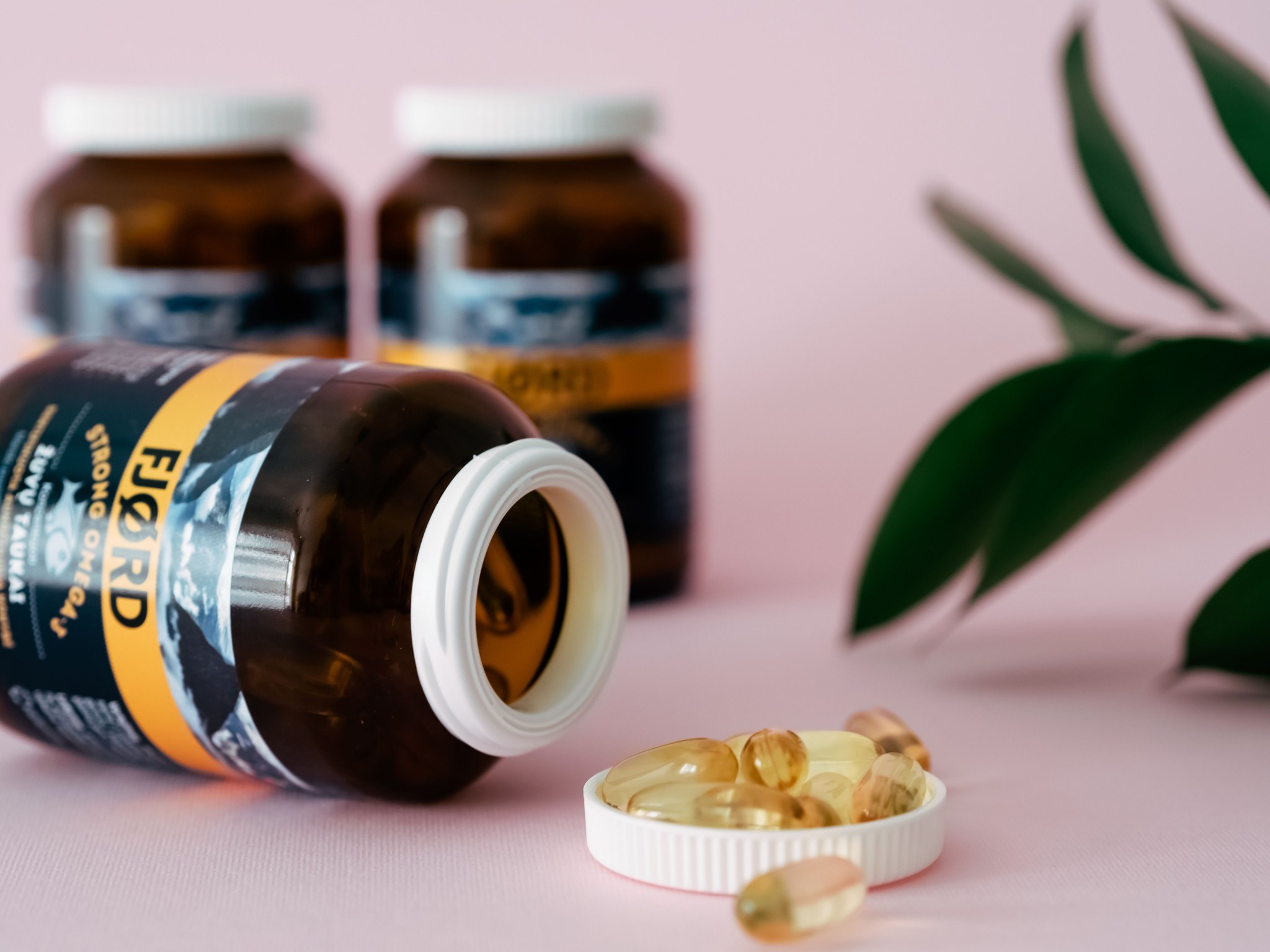
Your bottle is more than a container. It protects your product from air, light and moisture. It also shapes what customers think about your brand. A sturdy glass jar can feel premium, while a lightweight plastic bottle can feel convenient. Both can work well — it depends on your product and your goals.
As a supplement manufacturer, we see brands succeed with both materials. The key is matching the bottle to your formula, your budget and your customer. Let’s look at each option.
Glass Supplement Bottles: The Premium Feel
Glass has a classic, high-quality look. It doesn’t react with ingredients, so it’s great for oils, liquids and sensitive formulas. It’s also easy to recycle, which appeals to eco-conscious buyers.
Pros of Glass
- Premium appearance — looks great on shelves and in photos.
- Chemically inert — won’t leach or react with your formula.
- Recyclable — a plus for green-minded customers.
- Good for oils and liquids — keeps them stable.
Cons of Glass
- Heavier — higher shipping costs.
- Breakable — needs careful handling and packaging.
- More expensive — usually costs more per unit.
If your brand is premium and your customers value quality, glass can be a strong choice. Just factor in the extra shipping weight.
Plastic Supplement Bottles: Light and Practical
Plastic is the workhorse of supplement packaging. It’s light, tough and affordable. Most capsules, tablets and gummies ship in plastic bottles. It also comes in many shapes and colors, so you can create a unique look.
Pros of Plastic
- Lightweight — lower shipping costs.
- Durable — won’t shatter if dropped.
- Affordable — great for high-volume runs.
- Versatile — many sizes, colors and closures.
Cons of Plastic
- Less premium feel — some buyers prefer glass.
- Permeability — some plastics let in air over time.
- Environmental concerns — though recycled options exist.
For everyday supplements and private label supplements, plastic is often the practical pick. It keeps costs down and protects your product well.
How to Choose for Your Product
Ask yourself a few simple questions. What’s inside the bottle? How will it be stored? Who is your customer? These answers will guide you.
- For gummies — plastic is common because it’s light and resealable. A gummy manufacturer can advise on the best fit.
- For oils and liquids — glass often wins for stability.
- For budget lines — plastic keeps your price competitive.
- For premium lines — glass adds a luxury touch.
Also think about compliance. If you’re targeting Muslim customers, your packaging should support your halal certification claims. A halal supplement manufacturer can help you align packaging with your certification. And if you work with a supplement OEM, they can source bottles that match your formula and label.
Making the Final Call
There’s no single right answer. Glass offers a premium, inert option. Plastic offers value and durability. Many brands even use both — glass for hero products, plastic for everyday lines.
The best move is to talk to your manufacturer early. They can share samples, explain costs and help you avoid mistakes. A good partner will guide you from formula to finished bottle.
Ready to package your supplement? Contact us for a free quote or consultation. We’ll help you choose the right bottle for your brand and budget.