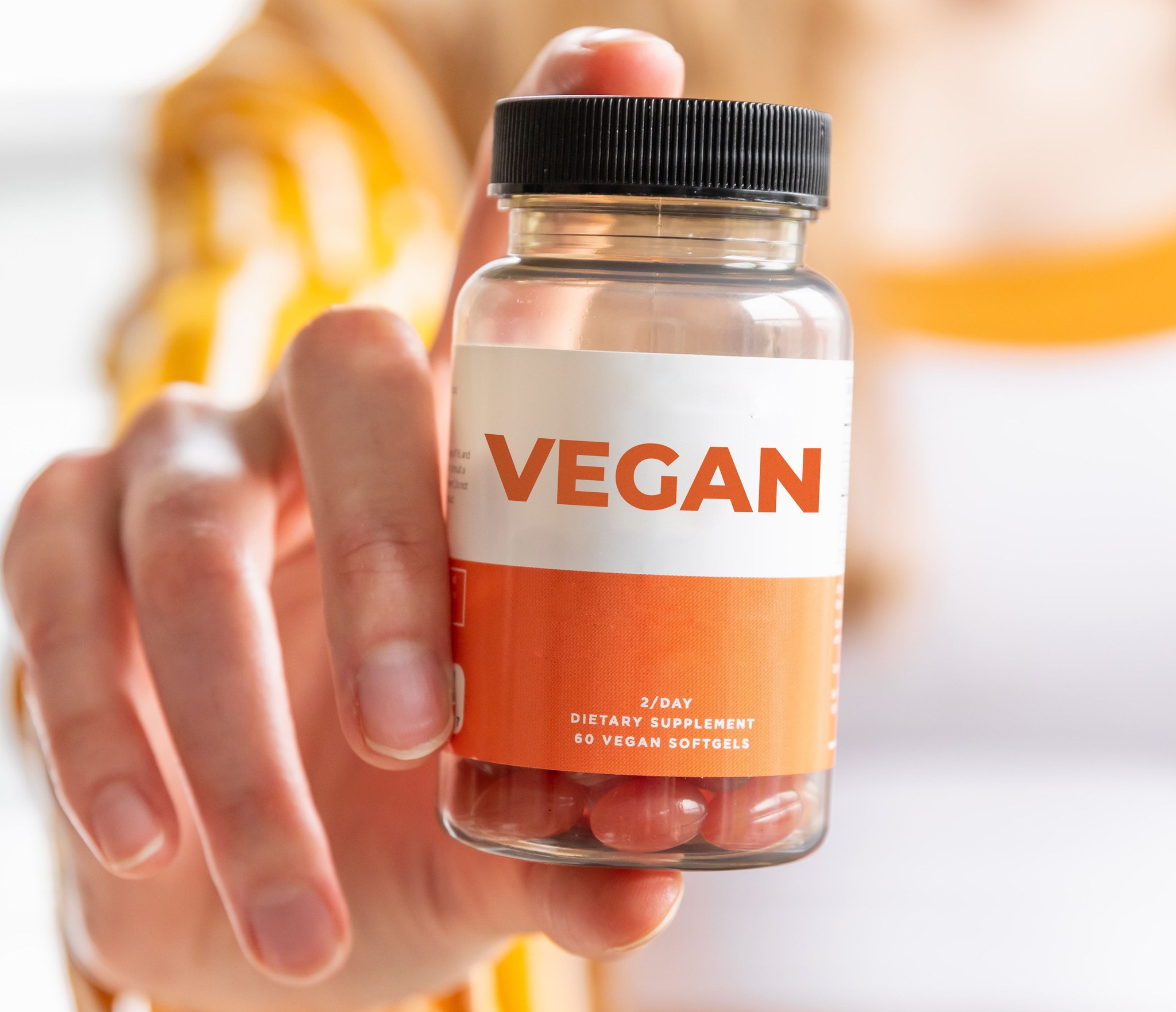
If you’re launching a supplement brand, the bottle label is one of the first things customers see. But it’s more than decoration. Getting your supplement bottle labeling requirements right keeps you compliant, builds trust, and helps your product sell. In this guide, we’ll walk through the key label elements in plain language, share practical tips, and show how a good supplement manufacturer can make the whole process easier. No jargon, no fluff — just what you actually need to know.
Why Labeling Matters More Than You Think
A label is your product’s ID card. It tells people what’s inside, how to use it, and who made it. In Malaysia, supplement labels must follow rules set by the authorities to protect consumers. But good labeling also does something else: it makes your brand look professional and trustworthy. A clear, well-designed label can be the difference between a sale and a pass. And if you plan to sell overseas, each market may have its own supplement bottle labeling requirements — so it pays to plan ahead.
The Core Elements Every Supplement Label Should Have
While exact rules vary by country, most supplement labels share a common set of must-haves. Here are the key pieces to include:
- Product name and description — clear and honest, so people know what they’re buying.
- Ingredient list — all ingredients, including active ones, listed in descending order by weight.
- Net quantity — how much product is in the bottle (e.g., 60 capsules, 500 ml).
- Dosage and directions — how much to take and how often, in simple words.
- Storage instructions — keep it cool, dry, away from sunlight, etc.
- Manufacturer details — name and address of the company responsible for the product.
- Batch number and expiry date — for traceability and safety.
- Allergen warnings — highlight common allergens like nuts, soy, or dairy.
- Certification marks — such as halal logo, if your product is certified.
If you work with a private label supplements partner, they can often help you tick these boxes. Many brands also add a QR code or website link for extra info — not always required, but a nice touch.
Special Notes for Gummies and Liquids
Gummies and liquids have a few extra considerations. For gummies, the label should clearly state the sugar content if relevant, and the serving size. Liquids need volume and sometimes a “shake well” note. A good gummy manufacturer will know these details inside out and can guide you on label wording that fits your product type.
Common Label Mistakes to Avoid
Even experienced brands slip up. Here are some common pitfalls:
- Missing or unclear allergen warnings — this can be a safety issue and a compliance problem.
- Incorrect ingredient order — ingredients must be listed by weight, from most to least.
- Vague dosage instructions — “take as needed” is not helpful; be specific.
- No batch number or expiry — these are essential for traceability.
- Overpromising claims — avoid words like “cure” or “guaranteed” unless you have proof.
Working with an experienced supplement OEM can help you avoid these mistakes. They’ve seen what works and what doesn’t, and they can review your label before printing.
How a Manufacturer Helps You Get Labeling Right
A reliable supplement manufacturer does more than make pills. They can guide you through labeling requirements, suggest compliant wording, and even handle the printing and application. This is especially useful if you’re new to the industry. Many manufacturers offer private label supplements services, where you pick from existing formulas and they handle production and labeling. Others offer custom formulation. Either way, ask about label support early. If you need halal certification, look for a halal supplement manufacturer — they’ll know the specific labeling rules for halal products, like avoiding non-halal ingredients and using the right logo.
Checklist Before You Print
Before you send your label to print, run through this quick checklist:
- Does the label include all required elements for your market?
- Are the ingredient names spelled correctly and in the right order?
- Is the font size readable? (Small print can be a problem for older customers.)
- Are allergen warnings prominent?
- Is the halal logo used correctly, if applicable?
- Does the label match your brand’s look and feel?
A second pair of eyes helps. Ask your manufacturer to review it — they often spot things you might miss.
Final Thoughts: Start with the Right Partner
Labeling doesn’t have to be a headache. With the right supplement OEM by your side, you can navigate supplement bottle labeling requirements confidently. Whether you’re launching a new brand or expanding your line, a good partner will make the process smooth and stress-free.
Ready to get started? Reach out to us for a free quote or consultation. We’re happy to help you understand your labeling needs and find the best solution for your brand. Let’s make your product stand out — safely and compliantly.