Thinking about selling your supplements in Singapore? You’re not alone. Singapore is a fast-moving, health-conscious market, and many Malaysian brand owners see it as a natural next step. But shipping supplements to Singapore market involves more than just booking a courier. You need to get the product, paperwork, and partner right. In this guide, we’ll walk you through the key things to know — from regulations to labeling and logistics — so you can launch with confidence.
Understand Singapore’s Supplement Rules Before You Ship
Singapore regulates supplements as health products. The key agency is the Health Sciences Authority (HSA). Most supplements don’t need pre-market approval, but they must comply with safety and labeling rules. You’ll need to ensure your product is safe for consumption and that claims are truthful. It’s wise to check the HSA website or consult a regulatory expert. Also, if you’re working with a supplement manufacturer in Malaysia, ask if they have experience with Singapore-bound products. A good supplement OEM can guide you on formulation and documentation.
Labeling and Packaging: Get the Details Right
Singapore requires labels in English. They should include the product name, ingredients, dosage, and manufacturer details. If you’re selling private label supplements, your manufacturer can help design compliant labels. For gummies, a gummy manufacturer can advise on packaging that keeps the product stable during shipping. Also consider halal certification if your target audience includes Muslim consumers. A halal supplement manufacturer can provide the necessary certification. Remember, proper labeling avoids delays at customs.
Logistics: Choosing the Right Shipping Method
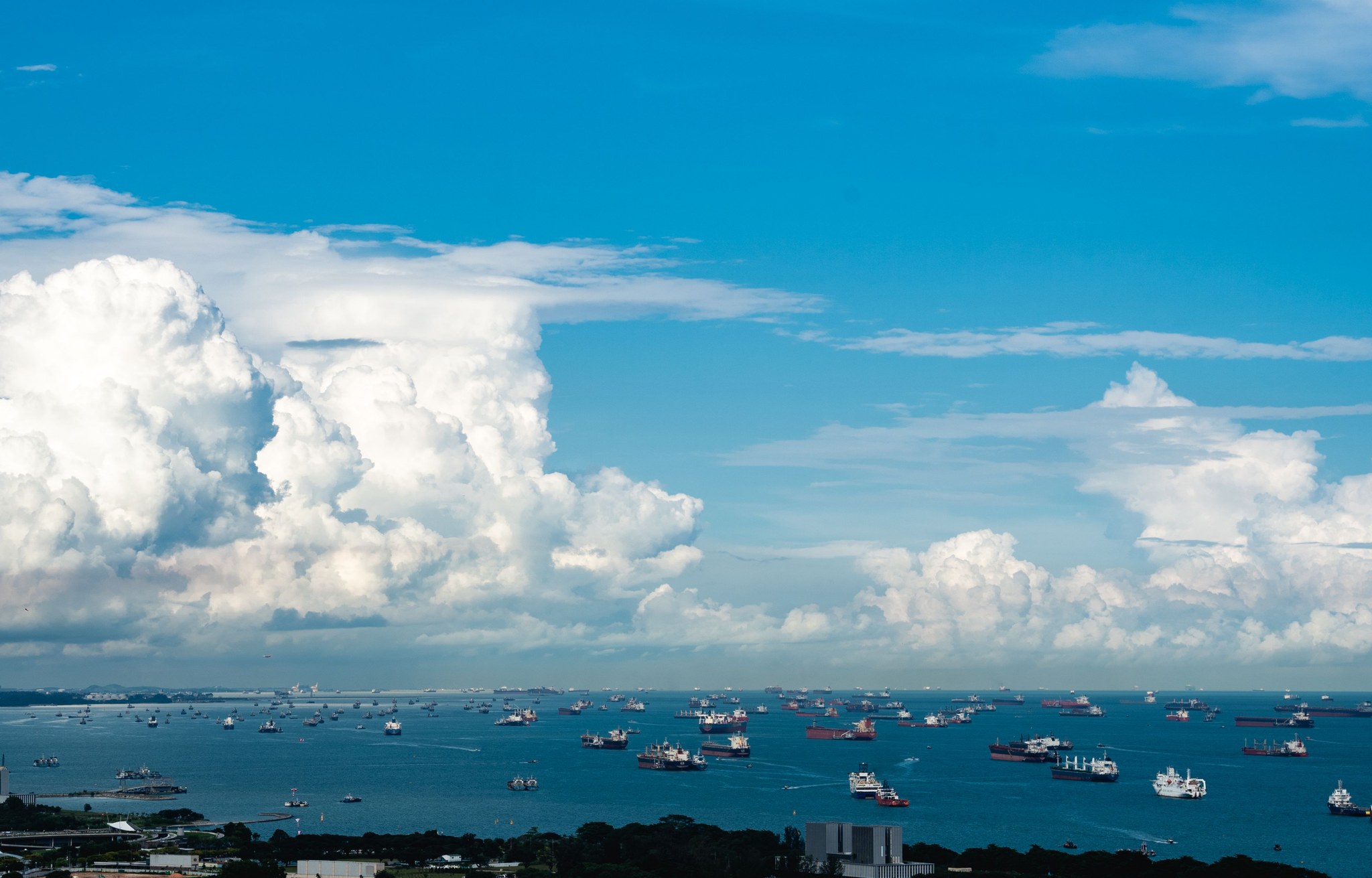
Shipping from Malaysia to Singapore is relatively straightforward. You can use road, sea, or air freight. For small batches, courier services work well. For larger orders, sea freight is cost-effective. Make sure your manufacturer packs products securely to prevent damage. Also, check if your shipping partner handles customs clearance. Having a reliable logistics partner makes the process smoother.
Documents You’ll Need
You’ll need a commercial invoice, packing list, and bill of lading (for sea freight). Some products may require a health certificate. Your manufacturer should provide these documents. Keep copies for your records.
Customs and Duties
Singapore is a free port, but some products may incur GST. Check the current rates. Also, ensure your products are not prohibited. Supplements are generally allowed, but always verify.
Working with a Malaysian Supplement OEM
Choosing the right manufacturing partner is crucial. Look for a supplement manufacturer with experience in export. Ask about their quality control and certifications. A halal supplement manufacturer can give you an edge in Singapore’s diverse market. Also, discuss low MOQ options if you’re testing the market. A good partner will help you navigate regulations and logistics.
Common Pitfalls to Avoid
- Incomplete labeling: Missing English labels or incorrect claims can cause delays.
- Ignoring halal certification: If you claim halal, ensure it’s certified.
- Poor packaging: Gummies and softgels need protection from heat and humidity.
- Not checking import rules: Some ingredients may be restricted.
- Underestimating logistics: Factor in shipping time and costs.
Ready to start shipping supplements to Singapore market? Contact us for a free quote or consultation. Our team can help you with everything from formulation to export documentation. Let’s make your expansion smooth and successful.