
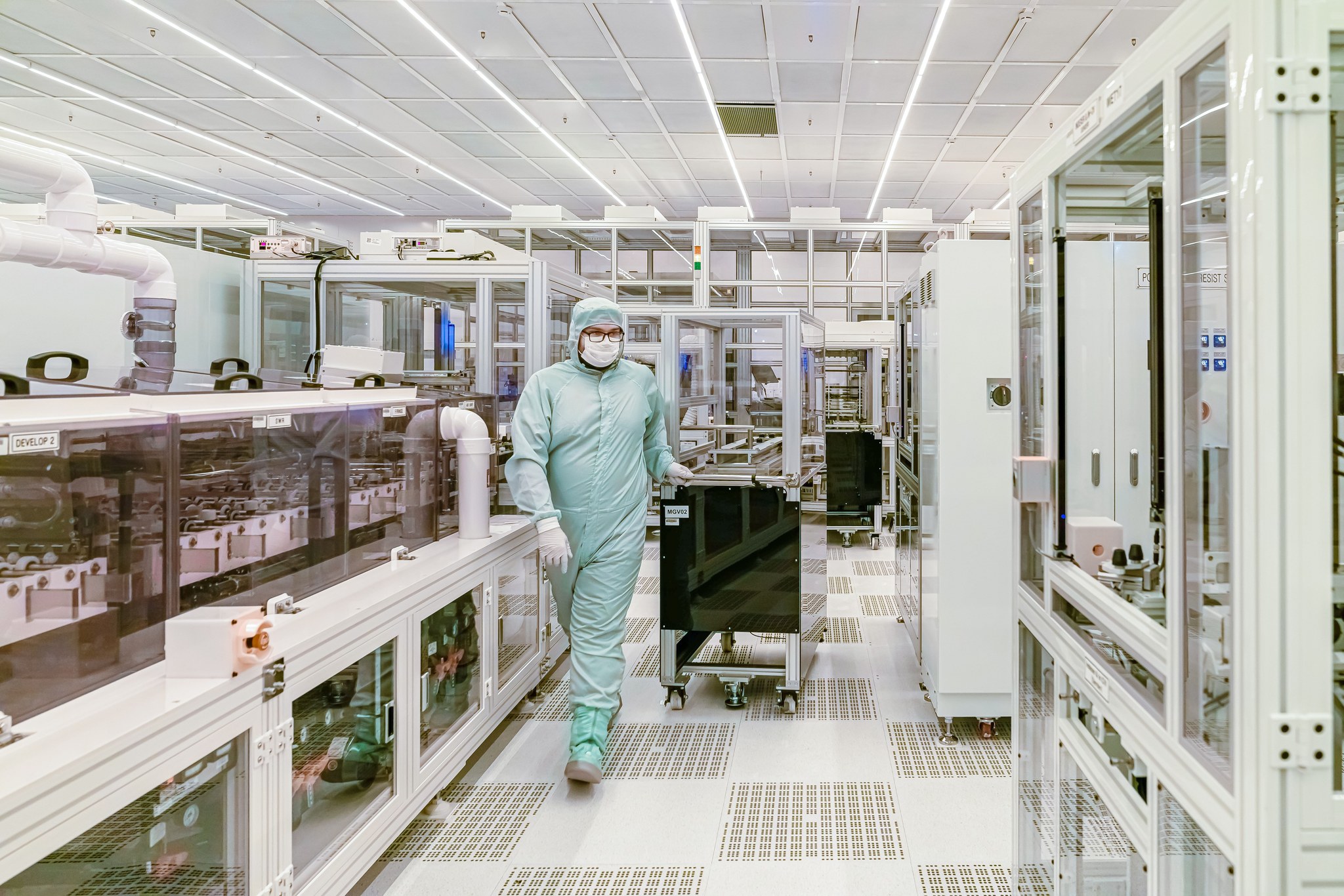
If you’re launching a supplement brand, you’ve probably heard about cleanrooms. But what do cleanroom standards in supplement manufacturing actually mean for you? In short, they’re the rules that keep production areas free from dust, microbes, and cross-contamination. This guide breaks down the basics in plain English, so you can ask the right questions when choosing a supplement manufacturer.
Why Cleanroom Standards Matter for Your Brand
Supplements are ingested, so safety is non-negotiable. Cleanroom standards help ensure that every batch is free from harmful contaminants. They also protect product potency and shelf life. When you work with a GMP-certified facility, you’re already on the right track. But cleanroom standards go a step further by defining how clean the air and surfaces must be.
For brand owners, this translates to fewer quality issues, fewer recalls, and stronger customer trust. It also makes your private label supplements more credible in a crowded market.
The Basics of Cleanroom Classification
Cleanrooms are graded by how many particles are allowed per cubic meter of air. The lower the number, the cleaner the room. Common classes you’ll hear about include ISO 8, ISO 7, and ISO 5. Most supplement production, especially for gummy manufacturer lines, happens in ISO 8 or ISO 7 areas. Critical zones like filling and sealing may require ISO 5.
Key Elements of a Cleanroom
- HEPA filters to trap particles and microbes.
- Positive air pressure to keep unfiltered air out.
- Air locks and gowning rooms for personnel.
- Regular monitoring of particles, temperature, and humidity.
- Strict cleaning protocols with validated disinfectants.
These elements work together to create a controlled environment. A reliable supplement OEM will happily share their cleanroom classification and monitoring records.
How Cleanroom Standards Affect Your Product
Different product types have different risks. Powders and capsules are prone to microbial growth if moisture enters. Gummies, being chewable and often gelatin-based, need extra care to prevent contamination. That’s why a gummy manufacturer should follow strict cleanroom protocols, including humidity control and frequent surface testing.
For halal products, cleanroom standards also help prevent cross-contamination with non-halal substances. A halal supplement manufacturer will have separate lines or validated cleaning procedures to ensure compliance.
Questions to Ask Your Manufacturer
Before you sign a contract, ask these questions to gauge their commitment to cleanroom standards in supplement manufacturing:
- What ISO class are your production rooms?
- How often do you monitor air and surface particles?
- Do you have separate areas for different product types?
- How do you handle gowning and personnel training?
- Can you provide cleaning validation records?
A transparent supplement manufacturer will answer these without hesitation. If they dodge the questions, walk away.
Why Choose a Manufacturer with Strong Cleanroom Standards
Working with a manufacturer that prioritizes cleanrooms gives you peace of mind. It reduces the risk of costly recalls and protects your brand reputation. Plus, many retailers and distributors now require proof of GMP compliance and cleanroom controls. Having these in place can open more doors for your business.
At our facility, we maintain strict cleanroom standards for all private label supplements and custom formulations. We’re happy to walk you through our processes and show you how we keep your products safe.
Ready to start your supplement brand? Contact us today for a free quote or consultation. Our team will help you navigate cleanroom standards and get your products to market safely and efficiently.



