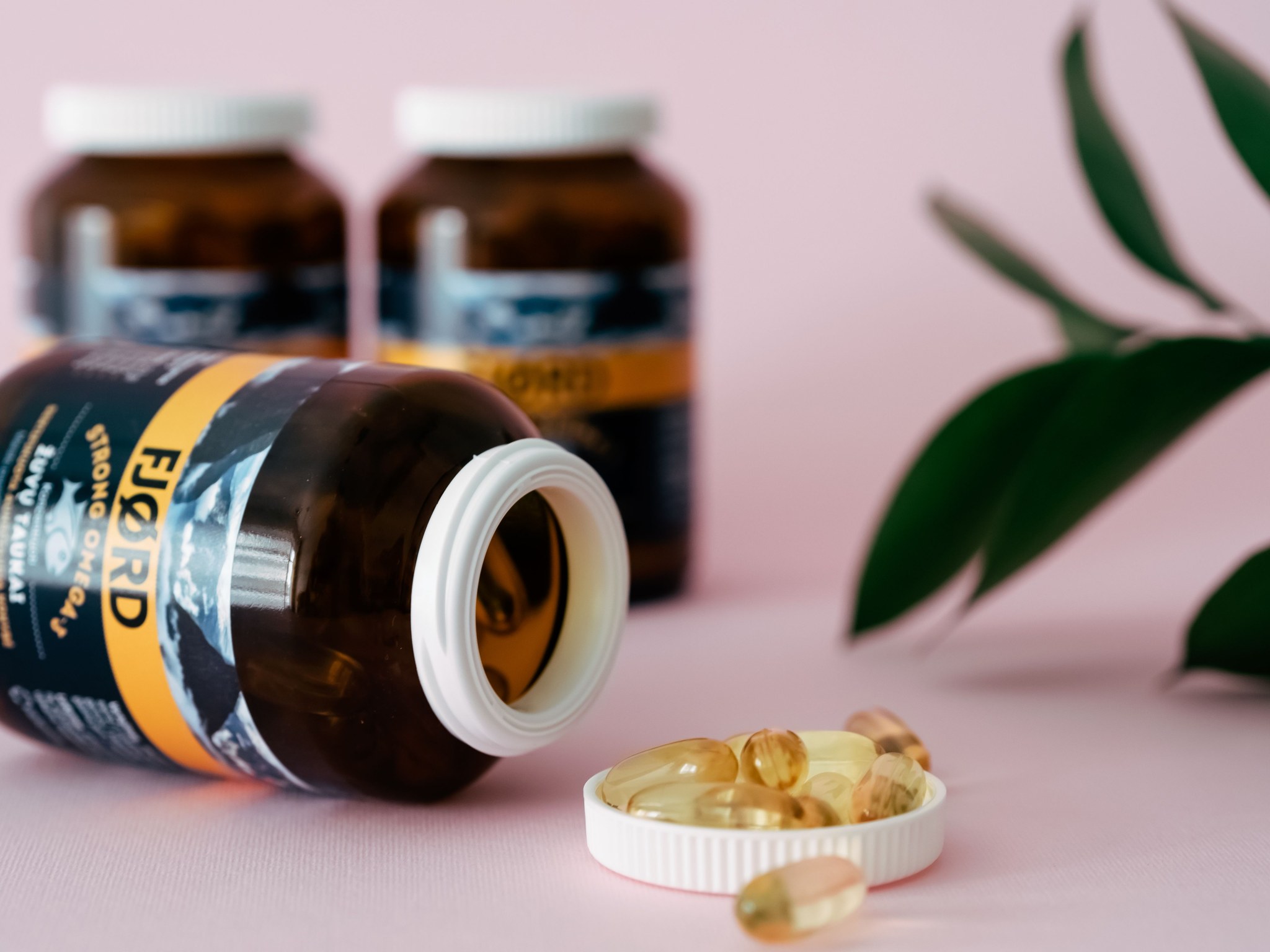
So you’re starting a supplement brand and you’ve hit the big packaging question: glass vs plastic supplement bottles. It’s not just about looks. The material you choose affects cost, shipping, shelf life, and how customers feel about your product. In this guide, we’ll break down both options in plain language so you can decide with confidence.
Why Bottle Material Matters for Your Brand
Your bottle is the first thing customers touch. It protects your capsules, tablets, powders, or gummies from moisture, light, and air. The wrong material can shorten shelf life or make your product feel cheap.
It also affects your bottom line. A heavier bottle means higher shipping costs. A lighter one might save money but feel less premium. And if you’re working with a supplement manufacturer on a tight budget, every sen counts.
Let’s look at both materials honestly.
The Case for Glass Bottles
Glass has a long history in supplements for good reason. It’s non-porous, so it doesn’t absorb smells or chemicals. It’s also fully recyclable, which appeals to eco-conscious buyers.
Where Glass Shines
- Premium feel — glass looks and feels high-end, perfect for luxury or gift sets.
- Chemical inertness — it won’t react with oils or acidic ingredients.
- Recyclability — endlessly recyclable without quality loss.
Where Glass Falls Short
Glass is heavy and breakable. That means higher freight costs and more risk of damage during delivery. It’s also pricier per unit, which can hurt if you’re selling private label supplements at a competitive price point.
For liquids and tinctures, glass is often the better choice. For everyday capsules, it’s a style call.
The Case for Plastic Bottles
Plastic dominates the supplement aisle, and there are practical reasons why. It’s light, tough, and affordable. Modern food-grade plastics like PET and HDPE are designed to protect supplements well.
Where Plastic Wins
- Lower cost — cheaper per unit, which helps with low MOQ runs.
- Lightweight — lower shipping fees, especially for overseas orders.
- Durable — won’t shatter if dropped, reducing returns.
- Wide range — many shapes, sizes, and child-resistant caps.
Where Plastic Falls Short
Plastic can absorb certain compounds over time, and some consumers see it as less premium. It’s also less recyclable in practice, though recycled PET options are improving.
If you’re launching gummies, plastic is usually the practical pick. A good gummy manufacturer will recommend a bottle that keeps gummies fresh without sticking.
How to Decide for Your Product
Ask yourself these questions:
- What’s inside? Liquids and oils often need glass. Dry capsules and gummies work well in plastic.
- Where will it ship? Long distances favour lightweight plastic.
- What’s your price point? Premium brands can justify glass. Value brands usually stick with plastic.
- What do customers expect? Look at your competitors’ shelves.
Also think about your manufacturing partner. A reliable supplement OEM can source both materials and advise on what suits your formula. If you’re targeting Muslim-majority markets, choose a halal supplement manufacturer so your entire supply chain, including packaging, meets halal requirements.
One more tip: you can mix and match. Use glass for your hero product and plastic for refill packs. Many brands do this to balance cost and image.
Final Thoughts
There’s no single right answer to the glass vs plastic supplement bottles debate. It depends on your product, budget, and brand story. Glass says premium and eco-friendly. Plastic says practical and affordable. Both can work beautifully when chosen with care.
Ready to pick the perfect bottle for your supplement line? Contact us for a free quote and consultation. We’ll help you compare options, sample materials, and launch with confidence. Your brand deserves packaging that fits just right.