When you’re ready to launch your own supplement line, one of the first big decisions is packaging. The bottle you choose affects everything from cost to shelf appeal. For many brand owners, it comes down to glass or plastic. Both have their strengths, and the right choice depends on your product, your budget, and your brand image. Let’s walk through the key differences so you can make a confident decision.
Why Packaging Matters for Your Supplement Brand
Your bottle is the first thing customers see. It protects your product and communicates your brand’s quality. If you’re working with a supplement manufacturer, they can guide you on packaging options, but it’s helpful to know the basics yourself. The material you choose can impact product stability, shelf life, and even customer perception.
Think about your target audience. Are they looking for a premium feel? Or do they value convenience and affordability? Your packaging should match their expectations. A gummy manufacturer might prefer plastic for lightweight, while a high-end supplement brand might lean towards glass.
Glass Bottles: Pros and Cons
Glass has a premium, classic look. Many customers associate it with higher quality and purity. It’s also non-reactive, which means it won’t interact with your supplement ingredients. This is a big plus for products that are sensitive to oxygen or moisture. Glass is also recyclable, which appeals to eco-conscious consumers.
However, glass is heavier and more fragile. Shipping costs go up, and there’s a higher risk of breakage. It’s also more expensive than plastic. For a startup with a tight budget, that can be a hurdle.
When Glass Is a Good Fit
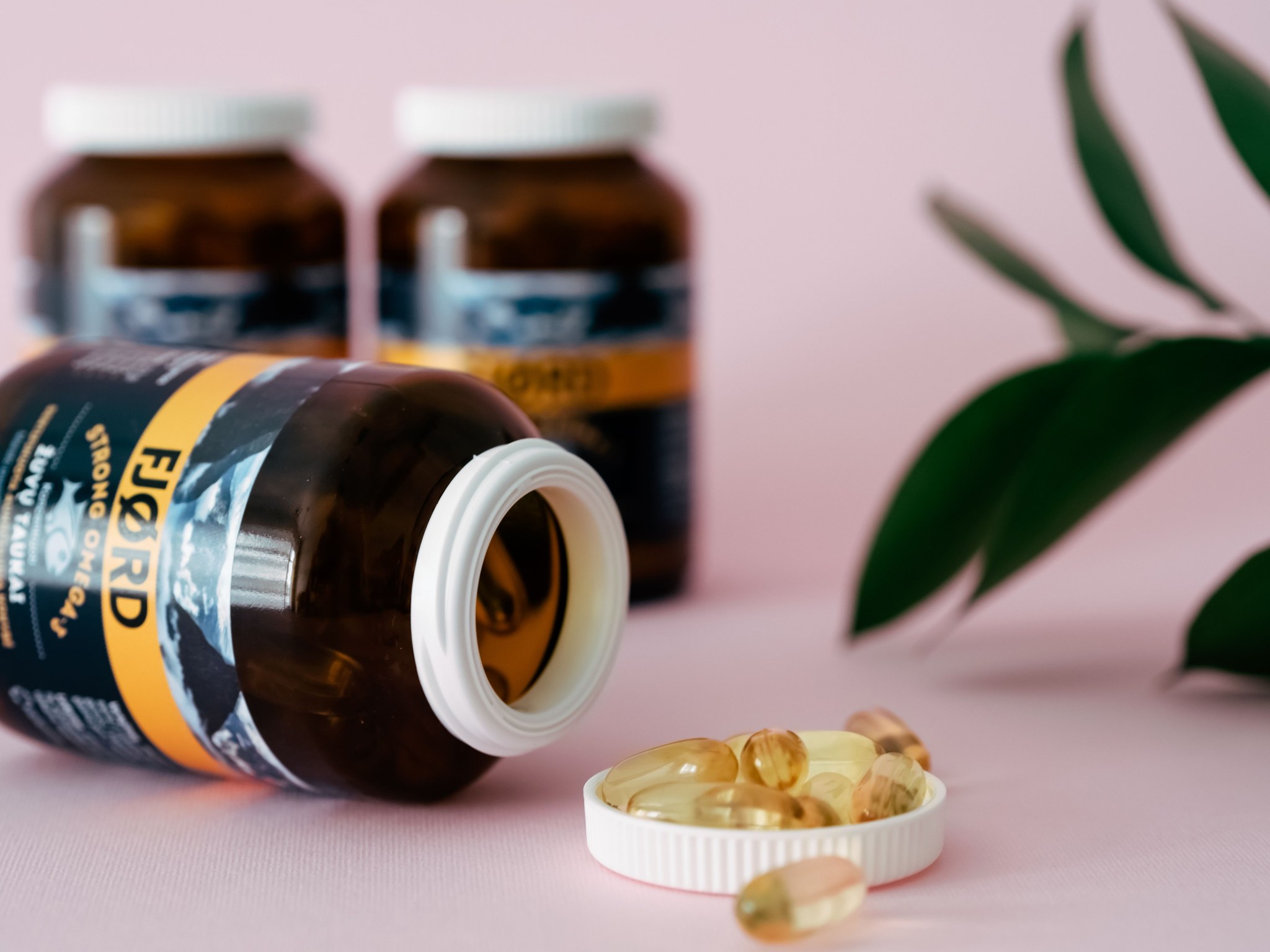
Choose glass if you’re selling a premium product, like a specialized tincture or a high-end vitamin. It’s also great for products that need extra protection from light and air. If your brand story is about purity and quality, glass reinforces that message.
Plastic Bottles: Pros and Cons
Plastic bottles are lightweight, durable, and cost-effective. They’re easier to ship and less likely to break, which saves you money and hassle. Plastic also offers more flexibility in shapes and sizes. You can get squeeze bottles, wide-mouth jars, or child-resistant caps easily.
The downside is that plastic can be less appealing to some customers. There are also concerns about chemicals leaching, though modern plastics are safe when used correctly. For private label supplements, plastic is often the go-to choice because it keeps costs down.
When Plastic Makes Sense
Plastic is ideal for high-volume products, gummies, and anything that needs to be portable. It’s also a smart choice if you’re just starting out and want to keep your upfront costs low. A reliable supplement OEM can help you find high-quality plastic bottles that still look professional.
Making the Right Choice for Your Product
So, how do you decide? Start by considering your product type. For example, gummy supplements are often better in plastic because they’re easy to squeeze out. Capsules and powders can work in either. Think about your shelf life requirements. If your product is sensitive to light, amber glass might be worth the extra cost.
Also, consider your logistics. If you’re shipping internationally, plastic is lighter and reduces shipping costs. If you’re selling in local stores, glass might give you a premium edge that justifies a higher price point.
- Cost: Plastic is generally cheaper per unit.
- Weight: Plastic is lighter, reducing shipping costs.
- Durability: Plastic is more resistant to breakage.
- Perception: Glass often feels more premium.
- Environmental impact: Both are recyclable, but glass is heavier to transport.
Remember, you can always mix and match. Some brands use plastic for larger sizes and glass for smaller, premium versions. Talk to your halal supplement manufacturer about what options they offer. They can share insights based on your specific formulation.
Ultimately, the best choice is the one that fits your product, your budget, and your brand story. Don’t be afraid to ask for samples and test both materials. See how they feel in your hand and how they look on your shelf. Your customers will notice the difference.
Ready to start your supplement line? We’re here to help. As an experienced supplement manufacturer in Malaysia, we offer guidance on packaging and formulation. Contact us today for a free quote and consultation. Let’s create something great together.