Choosing between blister packing and bottle packaging can feel like a big decision. Both formats protect your product, but they suit different products and different brands. In this article, we break down blister packing vs bottle packaging in plain language. You will see how each option affects cost, freshness, shelf appeal and your production plan. By the end, you will know which format fits your supplement best — and what to ask your supplement manufacturer before you commit.
What Is Blister Packing?
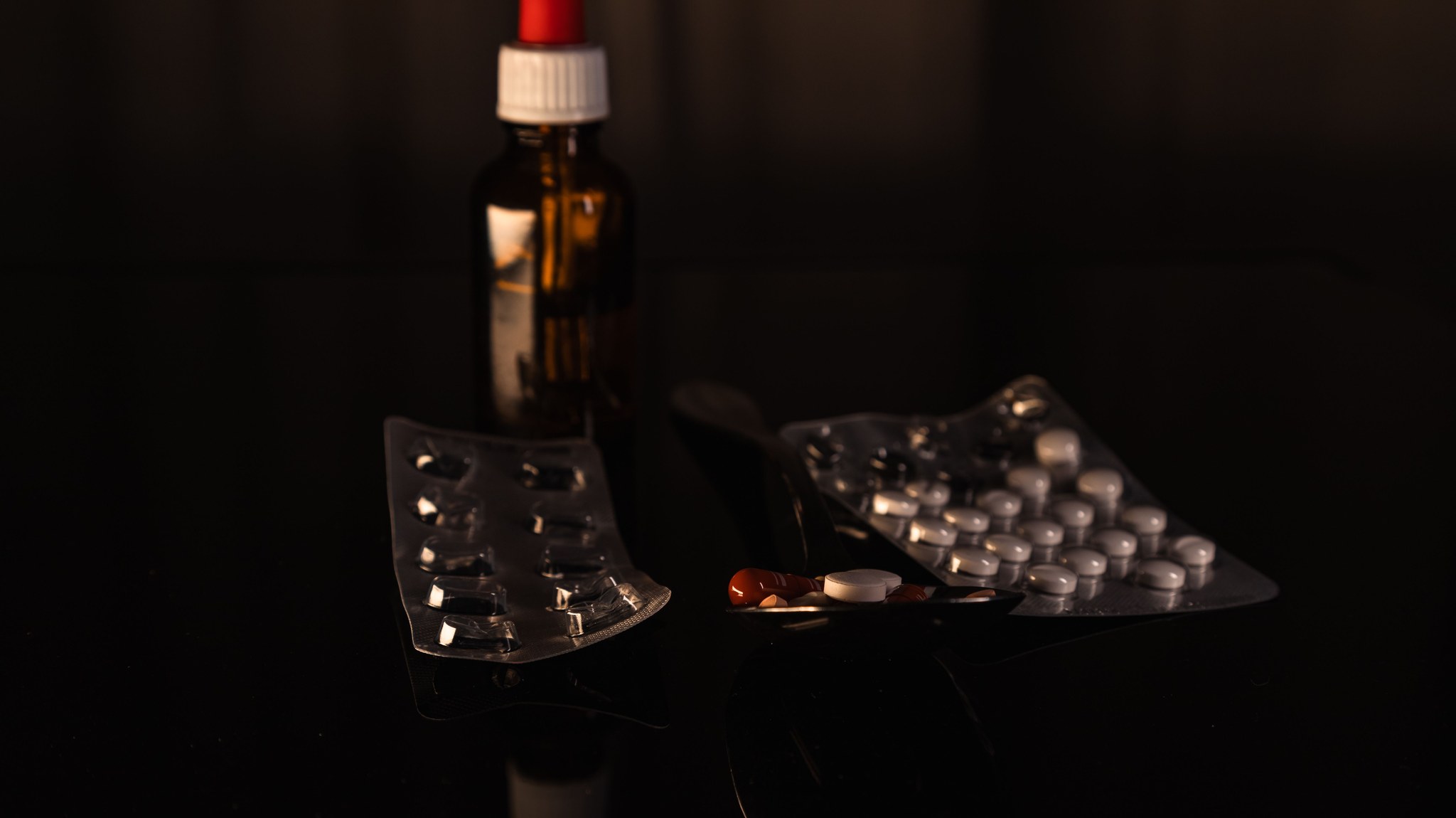
Blister packing seals each dose in its own pocket. A clear plastic cavity holds the tablet, capsule or softgel, and a foil or film backing seals it shut. You tear off one dose at a time. Think of it like a strip of single-serving portions.
This format is popular for pharmacy-style products and travel packs. It also works well for gummy manufacturer lines that need individual wrapping. Because each dose stays sealed until you use it, blister packing offers strong protection against moisture and handling.
Where Blister Packing Shines
Blister packs are great when you want precise dosing and a tidy, clinical look. They are also easy to carry in a bag or pocket. If your customers take supplements on the go, this format can be a strong selling point.
What Is Bottle Packaging?
Bottle packaging puts many doses into one container. You fill a bottle with tablets, capsules, softgels or gummies, then seal it with a cap and often a freshness seal. It is the format most people picture when they think of supplements.
Bottles are common for private label supplements because they are simple to fill and label. They also give you a large printable area for your brand story, directions and certification logos. For a halal supplement manufacturer, bottles make it easy to display halal marks clearly.
Where Bottles Win
Bottles are cost-effective at higher volumes. They hold more product per pack, which can lower your cost per dose. They also suit daily-use products like multivitamins and omega-3 capsules.
Blister Packing vs Bottle Packaging: Key Differences
Here is a simple side-by-side view to help you compare. Keep your product type, budget and sales channel in mind as you read.
- Protection: Blister packs seal each dose, so unused doses stay fresh. Bottles expose all doses each time the cap opens.
- Cost per unit: Bottles are often cheaper at high volumes. Blister packs may cost more per dose but can justify a premium price.
- Shelf appeal: Blister packs look clinical and precise. Bottles offer more space for branding and information.
- Portability: Blister packs are easy to carry. Bottles are bulkier but hold more.
- MOQ and setup: Each format has its own tooling and minimum order. Ask your supplement OEM partner for exact numbers.
- Eco-friendliness: Both formats have recyclable options. Check what materials your manufacturer can source.
Neither format is better in every case. The right choice depends on how your customers use the product and how you want your brand to feel.
How to Choose the Right Format for Your Brand
Start with your product. Gummies, softgels and chewables often work well in bottles. Tablets and capsules that need extra moisture protection may suit blister packs. Next, think about your sales channel. Retail shelves reward strong branding, while travel and sample packs reward convenience.
Then talk to your manufacturer. A good supplement manufacturer will walk you through low MOQ options and help you test both formats. If you plan to sell in Malaysia or export to halal markets, confirm that your halal certification covers the packaging line too. Ask about lead times, tooling costs and label requirements before you decide.
Finally, consider your growth plan. You might start with bottles for a core SKU and add blister packs later for travel sizes or samples. A flexible gummy manufacturer or supplement OEM can support both as you scale.
Ready to Pick Your Packaging?
Choosing between blister packing and bottle packaging does not have to be stressful. Match the format to your product, your customers and your budget — then let an experienced partner handle the rest. Whether you need private label supplements or a custom formula, we can help you compare options and plan your first run. Reach out today for a free quote or a friendly consultation. We will help you find the packaging that fits your brand.