Importing or exporting nutraceuticals can feel like a maze of paperwork and regulations. But with the right preparation, customs clearance for nutraceuticals doesn’t have to be a headache. In this guide, we’ll walk you through the essentials—from documents to product labeling—so your shipments move smoothly and your brand stays on schedule. Whether you’re a startup or an established brand, these tips will help you avoid common pitfalls and keep your supply chain running.
Why Customs Clearance Matters for Nutraceuticals
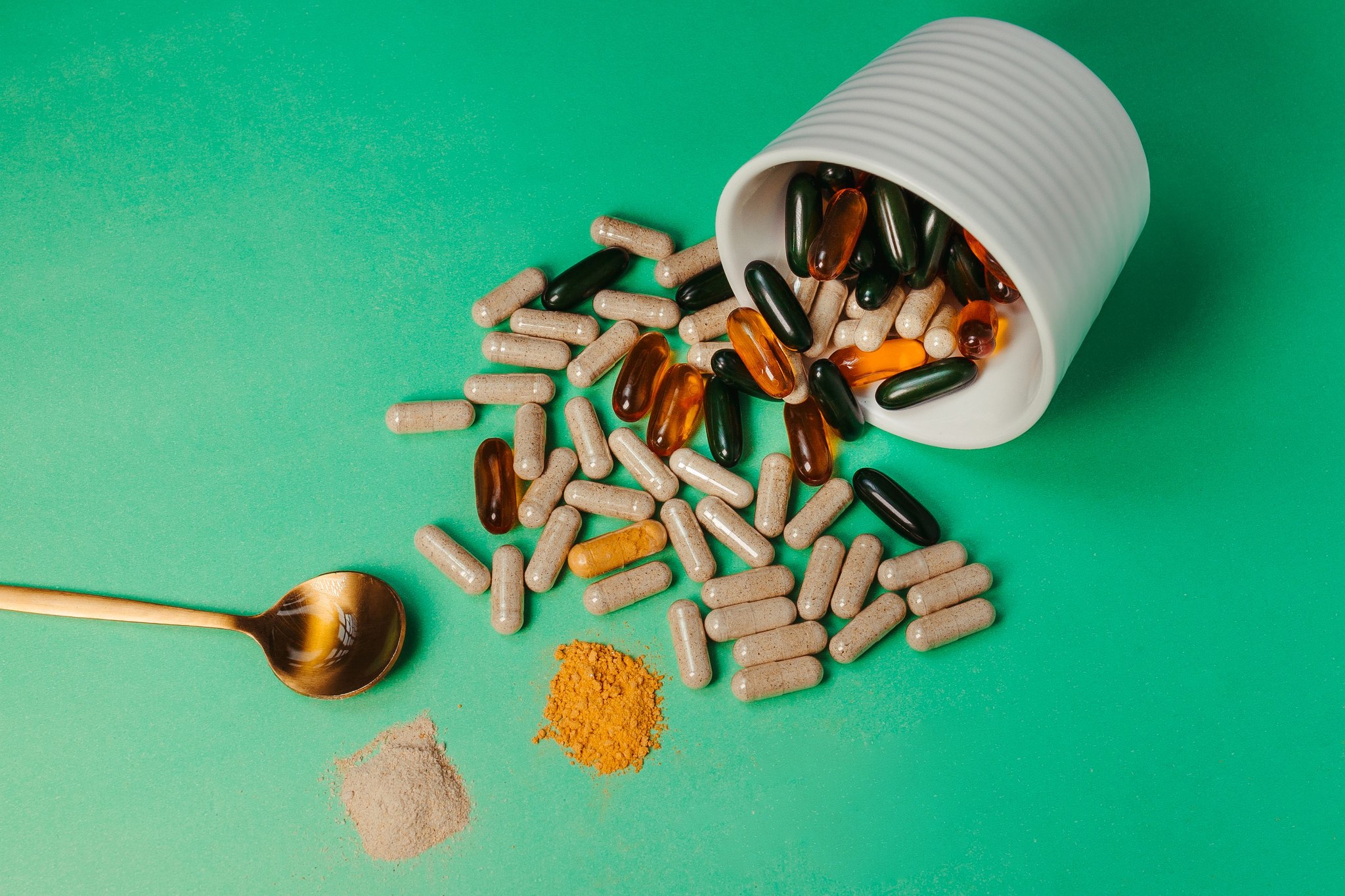
Nutraceuticals—like dietary supplements, gummies, and vitamins—are regulated as food or health products in most countries. That means customs officials pay extra attention to what’s inside, how it’s labeled, and whether it’s safe for consumers. A missing document or unclear label can hold up your entire shipment, costing you time and money.
Working with an experienced supplement manufacturer who understands export requirements can make all the difference. They’ll help you prepare the right paperwork and avoid surprises at the border.
Key Documents You’ll Need
Every shipment needs a set of core documents. Here’s a checklist to get you started:
- Commercial invoice – shows the value and details of your goods.
- Packing list – lists what’s in each box and its weight.
- Bill of lading or airway bill – your contract with the shipping carrier.
- Certificate of origin – proves where the products were made.
- Health certificate or free sale certificate – confirms the product is legally sold in the country of origin.
- Product specification sheet – details ingredients, dosage, and manufacturing process.
- GMP certificate – shows the product was made in a GMP-certified facility.
- Halal certificate (if applicable) – important for Muslim-majority markets.
Your supplement OEM partner should provide these documents quickly and accurately. If they hesitate, that’s a red flag.
Product Labeling and Compliance
Labels are often the biggest cause of customs delays. Each country has its own rules for what must appear on a supplement label—ingredients, allergen warnings, net quantity, and more. For example, in the EU, you need the address of a responsible person within the EU. In the US, the FDA requires specific formatting for supplement facts.
If you’re using private label supplements, make sure your manufacturer can customize labels to meet the destination country’s rules. A good gummy manufacturer will know the common requirements and can guide you.
Common Labeling Pitfalls
- Missing allergen statements (e.g., “contains soy”).
- Unclear serving size or directions.
- Health claims that aren’t allowed in the destination country.
- Language requirements (e.g., must be in the local language).
Double-check your labels with your manufacturer before printing. It’s cheaper to fix a design than to reprint thousands of labels at the port.
Working with a Reliable Manufacturer
The right partner makes customs clearance for nutraceuticals much easier. Look for a halal supplement manufacturer with experience in export documentation and a track record of smooth shipments. They should offer low MOQ options for startups and be transparent about their certifications.
Ask potential manufacturers:
- Can you provide all necessary export documents?
- Do you have experience shipping to my target market?
- Are your facilities GMP-certified?
- Can you help with label compliance?
A manufacturer who answers these confidently is worth their weight in gold. They’ll save you from costly delays and keep your brand’s reputation intact.
Tips to Speed Up Clearance
Here are a few practical tips to keep your shipments moving:
- Pre-clearance: Submit documents to customs before the goods arrive.
- Use a customs broker: They know the local rules and can handle surprises.
- Accurate valuation: Under- or over-valuing goods can trigger audits.
- Stay updated: Regulations change; keep an eye on updates from your manufacturer.
Also, consider shipping smaller batches initially to test the process. Once you’re comfortable, you can scale up.
Ready to simplify customs clearance for nutraceuticals? Contact us for a free quote or consultation. Our team of experts will guide you through the process and help you choose the right supplement manufacturer for your needs. Let’s get your products moving!