
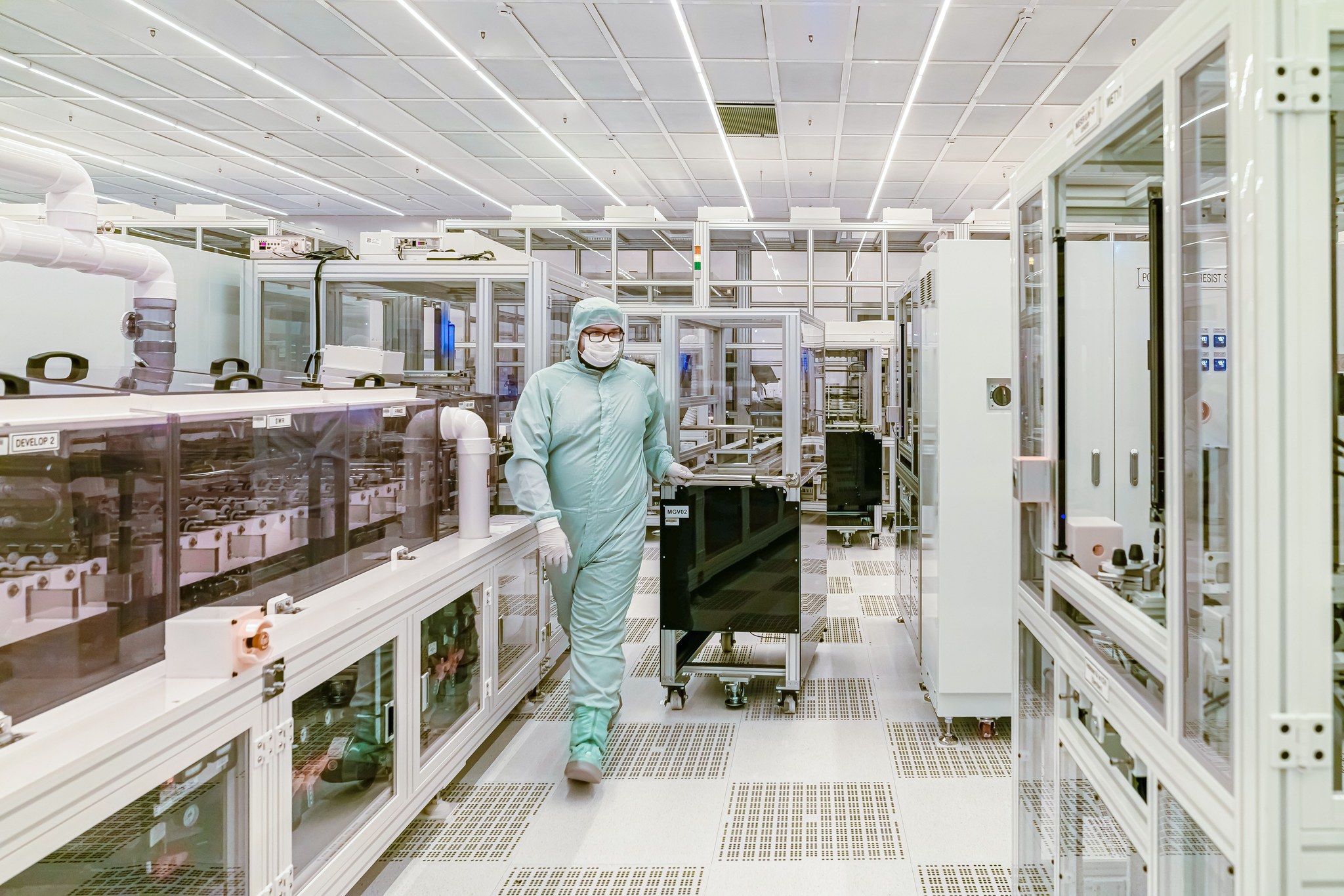
If you’re building a supplement brand, you’ve probably heard the term cleanroom thrown around. But what does it actually mean for your product? In short, a cleanroom is a controlled space where the air, surfaces, and people are managed to keep contamination out. For anyone working with a supplement manufacturer, understanding cleanroom standards helps you ask better questions and choose a partner you can trust. Let’s break it down in plain language.
What Exactly Is a Cleanroom?
A cleanroom isn’t just a tidy room. It’s a space where the number of tiny particles in the air is measured and kept within strict limits. Those particles can be dust, skin flakes, or microbes. Even a speck you can’t see could affect a supplement’s safety or shelf life.
Cleanrooms use special filters, controlled airflow, and strict entry rules to keep particle levels low. Staff wear protective clothing like gowns, masks, and gloves. Everything from the walls to the tools is designed to be easy to clean. For a gummy manufacturer, this matters because gummies are exposed during mixing and molding, so airborne particles can land right on the product.
Particles, Airflow, and Pressure
Think of a cleanroom as a bubble with filtered air constantly pushing out. That outward pressure stops dirty air from sneaking in when a door opens. The filters trap particles as small as bacteria. The cleaner the class, the more air changes per hour and the tighter the rules.
Why Cleanroom Standards Matter for Your Brand
When you choose a supplement OEM partner, you’re trusting them with your reputation. A product that fails a quality test or spoils early can hurt your brand fast. Cleanroom standards reduce that risk by controlling the environment where your product is made.
Here’s what good cleanroom practices protect against:
- Microbial contamination – bacteria, mold, and yeast that can grow in liquids or gummies.
- Cross-contamination – traces of one ingredient ending up in another batch.
- Particulate matter – dust, fibers, or metal fragments from equipment.
- Inconsistent batches – when the environment changes, your product can change too.
For private label supplements, consistency is everything. Your customers expect the same taste, texture, and effect every time they reorder. A controlled cleanroom helps make that happen.
How a Cleanroom Is Kept Clean
Cleanrooms don’t stay clean by accident. They follow a daily routine that covers people, surfaces, and air. Here’s a simple look at the main controls.
1. Air Filtration and Flow
High-efficiency filters catch tiny particles. Air is pushed from clean areas to less clean areas, so contamination moves away from your product, not toward it.
2. Gowning and Entry Rules
Staff enter through airlocks and change into cleanroom garments. No jewelry, no outside shoes, no bare hands touching product. Every step is designed to keep human particles out.
3. Cleaning and Disinfection
Surfaces, floors, and equipment are cleaned on a schedule with approved agents. Tools are sanitized between batches. Waste is removed quickly so it doesn’t become a source of contamination.
4. Monitoring and Testing
Air and surfaces are tested regularly for particles and microbes. If a reading drifts, the team investigates and fixes it before production continues. This is how problems get caught early.
Cleanroom Standards and Halal Certification
If you’re targeting Muslim consumers, you’ll want a halal supplement manufacturer. Halal certification isn’t only about ingredients. It also looks at how the product is made. A cleanroom helps here because it prevents cross-contact with non-halal materials.
Good manufacturing practices and halal requirements often overlap. Both want clean surfaces, controlled handling, and clear separation between batches. When a factory already follows strict cleanroom standards, adding halal compliance becomes smoother. That’s good news for your timeline and your budget.
What to Ask Your Manufacturing Partner
Before you sign with any factory, ask a few simple questions. You don’t need to be a scientist to spot a serious partner.
- What cleanroom class do you use for mixing and filling?
- How do you monitor air and surface cleanliness?
- How do you prevent cross-contamination between batches?
- Can you support halal certification if I need it?
- What is your low MOQ for a first run?
A transparent partner will answer these clearly and show you the process. If they dodge the questions, that’s a red flag.
The Bottom Line
Cleanroom standards in supplement manufacturing are not just a badge on a wall. They’re a daily practice that protects your product, your customers, and your brand. Whether you’re launching gummies, capsules, or powders, the environment where they’re made shapes the quality you deliver.
Ready to talk about your next product? Reach out to our team for a free quote or consultation. We’ll walk you through our cleanroom setup, explain your options for private label supplements, and help you plan a run that fits your goals. No pressure, just clear answers.



