Choosing between blister packing and bottle packaging is one of the first big decisions you’ll make for your supplement brand. It affects cost, shelf life, how customers use your product, and how it looks on a shelf. In this guide, we’ll break down both options in plain language so you can pick the right fit for your product and your budget.
What Is Blister Packing?
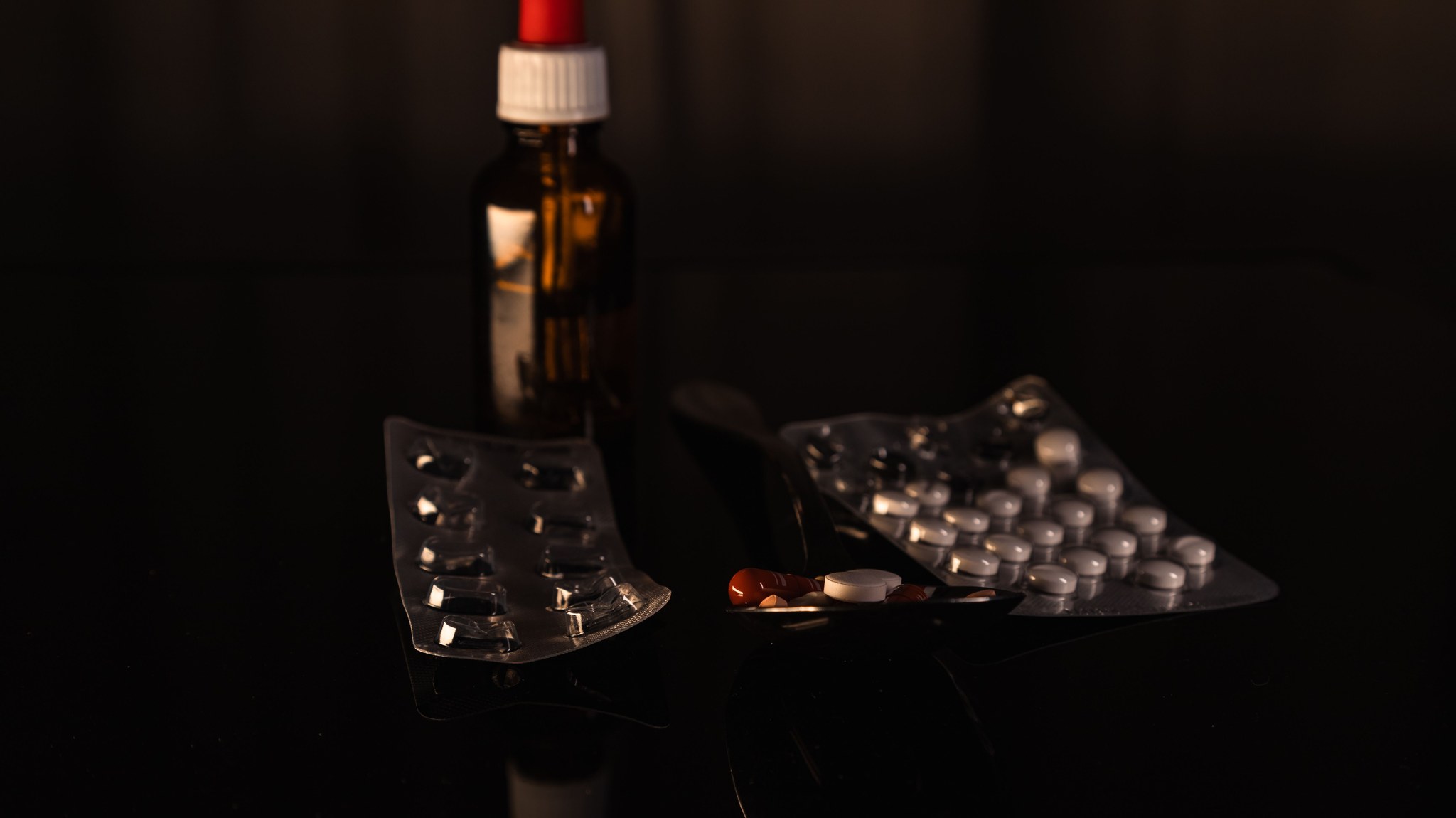
Blister packing seals each dose in its own pocket. A formed plastic cavity holds the tablet, capsule, or softgel, and a thin foil or film lid keeps it sealed. You’ve seen this in pharmacy strips and push-through packs.
It’s popular for single-dose formats like tablets, capsules, and softgels. It also works well for gummy manufacturer lines that want individual portions, though gummies usually need a different film to handle moisture.
Blister packs are light, compact, and easy to carry. They also let you print the day or dose on each pocket, which helps customers stay on track.
What Is Bottle Packaging?
Bottle packaging puts many doses in one container. You’ll typically see HDPE plastic bottles with a screw cap, sometimes with a desiccant sachet or cotton inside to manage moisture.
Bottles are the classic choice for capsules, softgels, and powders. They’re also common for private label supplements because the label area is large, which gives you more room for branding, directions, and warnings.
The main trade-off is that once a bottle is opened, all the doses are exposed to air and humidity. That’s why a good supplement manufacturer will recommend the right bottle, cap, and liner for your formula.
Blister Packing vs Bottle Packaging: Key Differences
Here’s how the two formats stack up on the things that matter most to a new brand.
- Unit cost: Blister packs often cost more per dose because each pocket uses material and tooling. Bottles are usually cheaper per dose at higher volumes.
- Shelf life and stability: Blister packs protect each dose from air and moisture until it’s opened. Bottles expose everything at once after the first opening.
- Portability: Blister strips are slim and easy to slip into a bag or pocket. Bottles are bulkier but hold more.
- Branding space: Bottles give you a big label for logos, claims, and instructions. Blister packs have limited print area, often just the foil lid.
- Tamper evidence: Both can be tamper-evident, but blisters show it clearly per dose. Bottles rely on a seal or shrink band.
- Child resistance: Bottles can use child-resistant caps. Blister packs can be made child-resistant with the right film and backing.
There’s no universal winner. The right choice depends on your product type, your target market, and how you want customers to use it.
How to Choose the Right Format for Your Brand
Start with your product. Tablets, capsules, and softgels can go either way. Gummies, powders, and liquids usually lean toward bottles or pouches.
Next, think about your customer. If they travel a lot or want a fixed daily dose, blister packs can feel more convenient. If they take several doses a day at home, a bottle is often easier.
Then look at your budget and volume. Low volumes may favor bottles because blister tooling costs more upfront. High volumes can make blister packing more efficient per unit.
Finally, check your market rules. If you’re selling in Malaysia or the Middle East, working with a halal supplement manufacturer helps you get the right halal certification and packaging that meets local expectations.
Quick Tips for Either Format
- Ask for samples of both formats before you commit.
- Test how the pack holds up in heat and humidity.
- Check that your label or foil has room for all required information.
- Confirm the low MOQ your manufacturer can offer.
Why Your Manufacturer Matters
The format is only half the story. A good supplement OEM partner will help you match the packaging to your formula, your market, and your budget.
They can also handle formulation, filling, sealing, and labeling under one roof. That saves you time and reduces the risk of errors. If you’re launching a gummy line, a gummy manufacturer with packaging experience can advise on films and moisture control.
Ask about their quality systems, sample lead times, and how they handle stability testing. These details protect your brand long after launch.
Ready to pick the right packaging for your supplement? Reach out to our team for a free quote or consultation. We’ll help you compare blister packing vs bottle packaging for your exact product and market.