
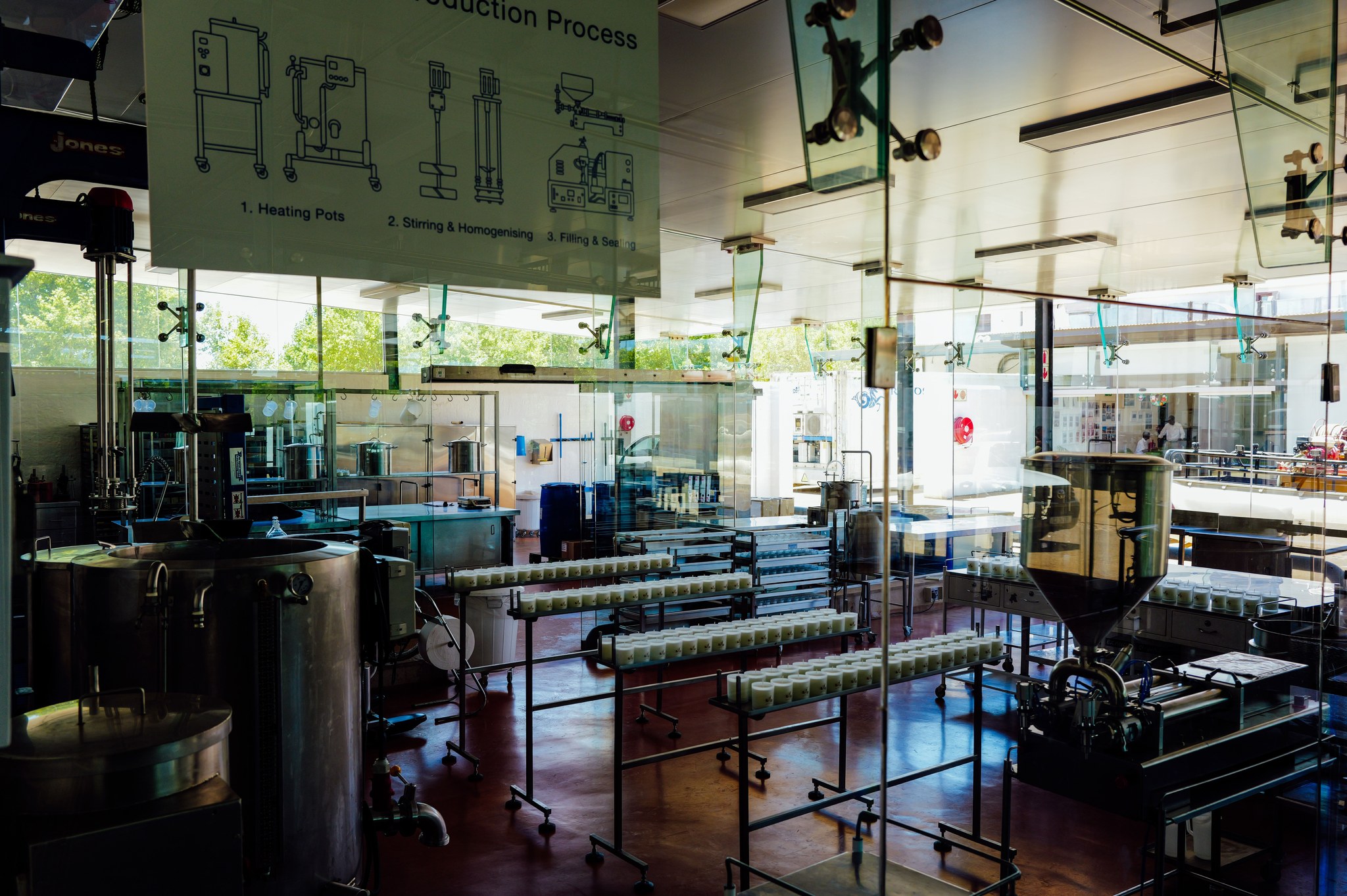
Ever wondered what goes on behind the scenes at a supplement manufacturer? The factory floor design is more than just machines and conveyor belts. It’s the blueprint for quality, safety, and efficiency. In this article, we’ll walk you through the key elements of a well-designed supplement factory floor. Whether you’re launching a new brand or scaling up, understanding this can help you choose the right partner.
Why Supplement Factory Floor Design Matters
A smart factory floor design keeps your products safe and your costs down. It prevents cross-contamination, ensures smooth workflow, and makes cleaning easier. For you as a brand owner, this means consistent, high-quality supplements that meet regulations. A supplement OEM with a well-planned facility can deliver better results and faster turnaround. Plus, a good layout supports halal certification by avoiding mixing of non-halal ingredients.
Key Zones in a Supplement Factory
Every supplement factory has distinct areas, each with a specific purpose. Let’s break them down.
1. Receiving and Storage Area
Raw materials arrive here. They’re checked, logged, and stored properly. Temperature and humidity controls keep ingredients fresh. This zone must be separate from production to avoid contamination.
2. Production Area
This is where the magic happens. For gummy manufacturer lines, you’ll see cooking kettles, depositors, and cooling tunnels. For capsules and tablets, there are mixers, granulators, and presses. The layout should allow one-way flow from raw to finished product to prevent mix-ups.
3. Packaging Area
After production, products move to packaging. This area needs to be clean and organized. Bottling, blister packing, and labeling happen here. For private label supplements, the packaging area must handle various bottle sizes and label designs efficiently.
4. Quality Control Lab
Quality is non-negotiable. The QC lab tests raw materials and finished products. It should be close to production for quick sampling. Tests include potency, purity, and microbial safety.
5. Warehouse and Dispatch
Finished goods are stored here before shipping. The area should be dry, cool, and secure. An organized warehouse ensures orders go out on time.
Design Principles for a Top-Notch Facility
Great factories follow these principles:
- Unidirectional flow: Materials move forward, never backward, to avoid contamination.
- Separate zones: Keep raw materials, production, and packaging apart.
- Easy to clean: Smooth surfaces and no crevices make cleaning fast and effective.
- Proper ventilation: Good airflow controls dust and odors.
- Safety first: Fire exits, eyewash stations, and clear signage are a must.
These principles help a supplement manufacturer maintain high standards and pass audits.
How Floor Design Supports Halal and GMP
If you’re targeting the Muslim market, halal certification is crucial. A halal supplement manufacturer must have a factory floor design that prevents cross-contamination with non-halal substances. This means dedicated areas, separate equipment, and strict cleaning protocols. Similarly, GMP (Good Manufacturing Practice) requires a layout that ensures consistent quality. A well-designed floor makes audits smoother and builds trust with your customers.
Choosing the Right OEM Partner
When you partner with a supplement OEM, visit their factory or ask for a virtual tour. Look for clean, organized spaces and clear separation of zones. Ask about their cleaning procedures and how they handle allergens. A reliable partner will be proud to show off their facility. They’ll also offer low MOQ options for startups and help with custom formulations.
Ready to bring your supplement idea to life? Contact us for a free consultation and quote. We’ll help you navigate the process and find the perfect manufacturing solution for your brand.