Getting your supplement bottle label right is one of the most important steps before you sell. The rules can feel technical, but they’re really just about keeping customers safe and informed. In this guide, we’ll walk through the supplement bottle labeling requirements you need to know in Malaysia. We’ll keep it simple, practical, and easy to follow — whether you’re launching your first product or scaling up.
Why Labeling Rules Matter for Your Brand
A good label does two jobs. It tells customers exactly what they’re taking, and it keeps you on the right side of the law. If your label is missing key details, your product can be pulled from shelves or held at customs. That’s a headache no brand owner wants.
Working with an experienced supplement manufacturer makes this much easier. They already know what regulators look for, so you don’t have to become an expert overnight. Many brands also choose a supplement OEM partner who can handle labeling as part of the full production run.
The Core Details Every Bottle Label Needs
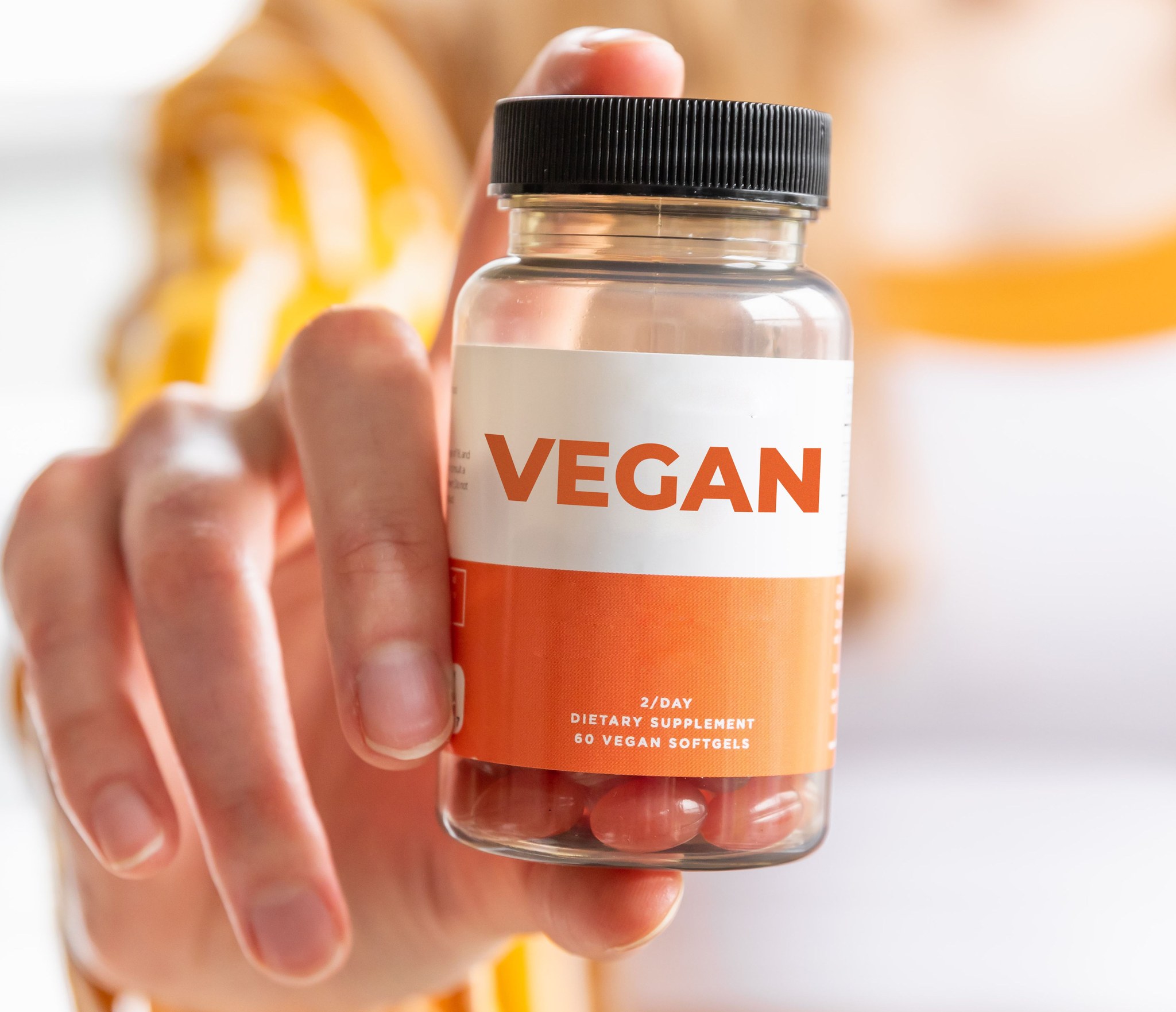
Let’s break down the essentials. These are the items you’ll almost always need on a supplement bottle label in Malaysia. Think of this as your checklist.
- Product name — clear and not misleading.
- Net weight or volume — for example, 60 capsules or 500 ml.
- List of ingredients — including any allergens, in plain language.
- Directions for use — how much to take and how often.
- Storage instructions — keep cool and dry, away from sunlight, etc.
- Manufacturer or distributor details — a name and address customers can contact.
- Batch number and expiry date — so the product can be traced.
- Any required warnings — such as “not suitable for children” or pregnancy cautions.
If your product is a gummy, the label still needs the same core information. A reliable gummy manufacturer will format this correctly so the text fits neatly on the bottle.
Special Cases: Halal, Health Claims and Imports
Some products need extra labeling. Here’s where things get a little more specific.
Halal Certification
If you want to market your supplement as halal, the label should carry the halal mark. This is a big selling point for many Malaysian customers. A halal supplement manufacturer can help you get the certification and use the logo correctly.
Health and Nutrient Claims
Be careful with claims like “boosts immunity” or “burns fat.” Some claims are allowed, others are not. Keep your wording honest and supported by facts. If you’re unsure, ask your manufacturer or a regulatory consultant.
Imported or Exported Products
If your product crosses borders, you may need extra labels, such as an import permit number or a local distributor’s details. Private label supplements made for export often need bilingual text. Your manufacturer can guide you on what’s required for each market.
How to Get Your Labels Right the First Time
Here are a few practical tips to avoid common mistakes.
- Start early. Don’t leave labeling to the last minute — it can delay your launch.
- Check the font size. Small text is hard to read and may not meet requirements.
- Use a clear layout. Customers should find key info at a glance.
- Double-check translations. If you use more than one language, get a native speaker to review.
- Keep a copy of your final label. You’ll need it for future batches and audits.
Choosing the right supplement OEM partner can take a lot of this weight off your shoulders. They handle the printing, the formatting, and the compliance checks. That way, you can focus on building your brand.
Ready to get your supplement bottles labeled correctly? Contact us for a free quote or consultation. We’ll help you understand the supplement bottle labeling requirements and get your product market-ready — fast and stress-free.