When you’re launching a supplement line, one of the first packaging questions is simple: glass or plastic? Both do the job, but they feel different, cost different, and ship different. This guide breaks down the glass vs plastic supplement bottles decision in plain language. Whether you’re working with a supplement manufacturer on your first run or switching suppliers, you’ll know exactly what to consider.
Why Bottle Material Matters for Your Brand
Bottle material affects how your product looks, how much it costs to ship, and how long it stays fresh. It also shapes how customers perceive your brand. A gummy manufacturer might prefer one material for gummies and another for capsules, because the product inside behaves differently.
Glass feels premium and is easy to recycle. Plastic is lighter, cheaper to ship, and less likely to break. Neither is “better” in every case — it depends on your product, your budget, and your customers.
Glass Bottles: Pros, Cons and Best Uses
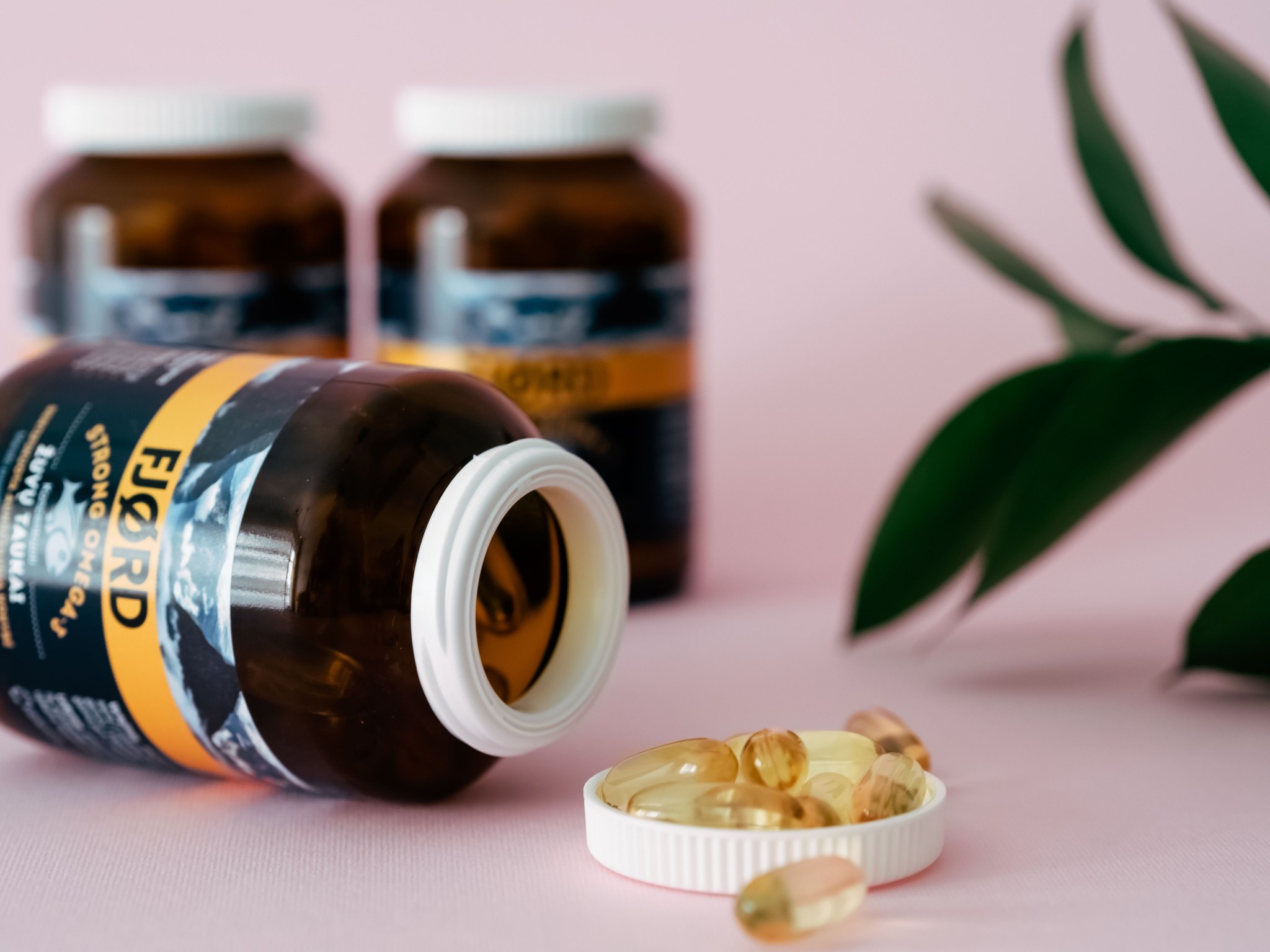
Glass is the classic choice for supplements. It’s non-porous, so it doesn’t absorb flavours or react with ingredients. That makes it a strong pick for oils, liquids, and sensitive formulas.
Where glass shines
- Premium look and feel — customers often associate glass with quality.
- Better barrier — keeps oxygen and moisture out longer.
- Recyclable — easy for eco-conscious buyers to reuse or recycle.
Where glass struggles
- Heavier — higher shipping costs, especially for overseas orders.
- Breakable — needs careful packing and handling.
- Higher unit cost — usually more expensive than plastic.
If you’re selling private label supplements in small batches to a premium audience, glass can be worth the extra cost.
Plastic Bottles: Pros, Cons and Best Uses
Plastic bottles dominate the supplement world for good reason. They’re light, tough, and affordable. For most capsule and tablet products, plastic is the practical default.
Where plastic wins
- Lower cost — cheaper per bottle, which helps your margins.
- Lightweight — cuts shipping fees and reduces breakage.
- Wide range — many sizes, colours and cap options.
Where plastic falls short
- Less premium — some buyers still see glass as higher quality.
- Barrier limits — standard plastic lets in a little more oxygen over time.
- Recycling varies — depends on your local waste systems.
For gummies and chewables, a gummy manufacturer often recommends food-grade plastic with a good seal. It keeps the product fresh without the weight of glass.
How to Choose: A Quick Checklist
Still stuck? Run through these points with your supplement OEM partner before you decide.
- Product type — oils and liquids often suit glass; capsules and gummies often suit plastic.
- Shipping distance — long routes favour lighter plastic.
- Brand positioning — premium brands may lean glass.
- Budget — plastic usually costs less per unit.
- Regulations — check what’s allowed in your target market.
If you’re aiming for Muslim-majority markets, work with a halal supplement manufacturer who understands both packaging and certification needs. The bottle itself doesn’t decide halal status, but your whole supply chain should align.
Ready to pick the right bottle for your product? Talk to a supplement manufacturer who handles both glass and plastic options. Send us a message for a free quote or a quick consultation — we’ll help you compare costs, MOQs and timelines so you can launch with confidence.