Starting a supplement brand? You will soon face a big choice: softgels or gummies? Both are popular, but they are made in very different ways. This affects your costs, your timeline, and who can buy your product. In this article, we break down the key differences between softgel vs gummy supplement production. We will help you pick the format that fits your goals, whether you are launching your first product or adding a new line.
How Softgels Are Made
Softgels are those shiny, smooth capsules you often see for fish oil or vitamin D. They are produced using a process called encapsulation. A soft gel shell (usually made from gelatin or plant-based alternatives) wraps around a liquid or oil fill. This shell protects the ingredients from air and light, which helps keep them stable.
Softgel production requires specialised machinery and a controlled environment. A supplement manufacturer with softgel capability can handle oil-based formulas, which are tricky in other formats. Softgels are great for precise dosing and for ingredients that taste bad or are sensitive to oxygen. They also tend to have a long shelf life.
How Gummies Are Made
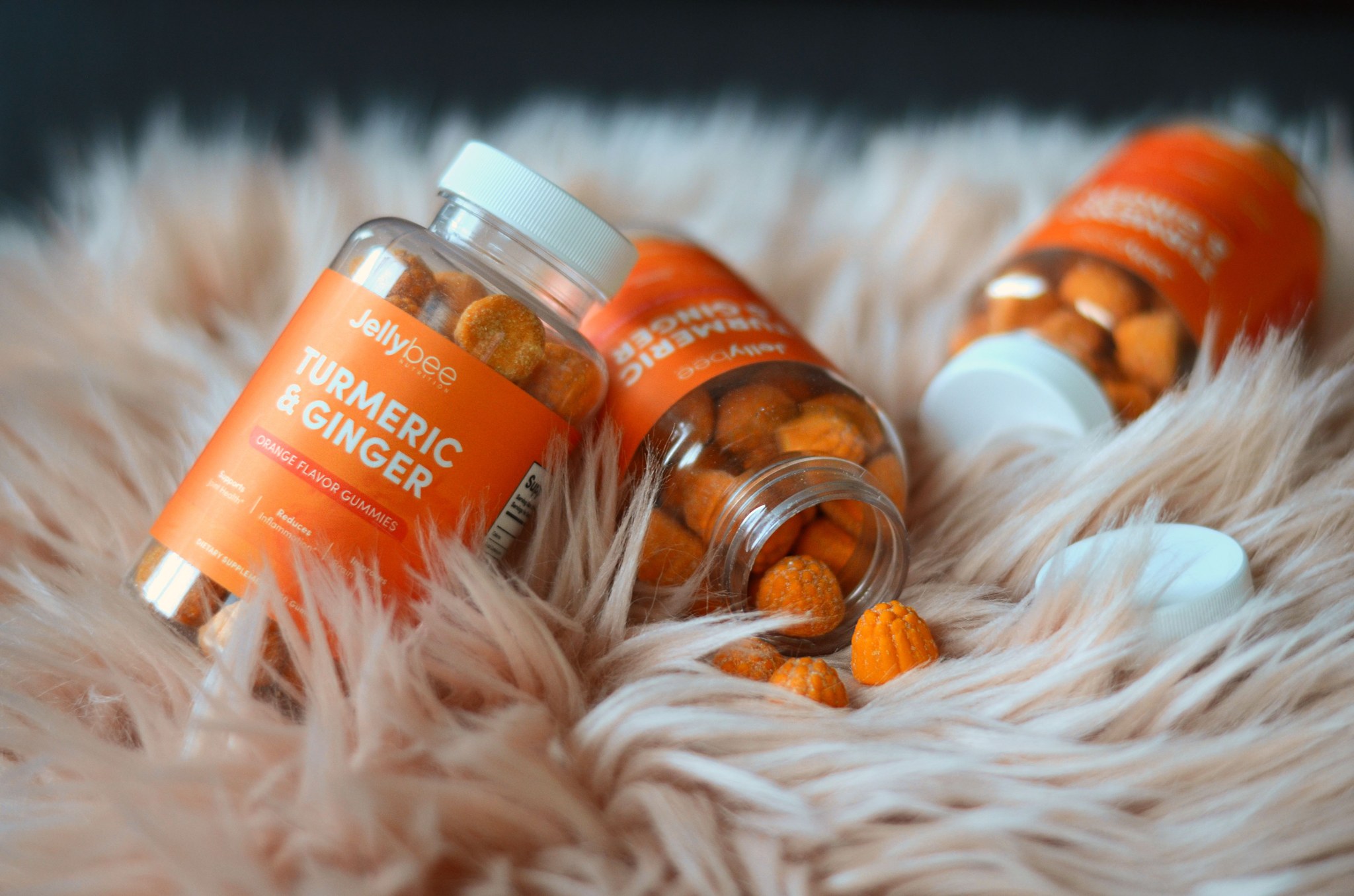
Gummies are chewy, fruit-flavoured treats. They are made by mixing a base (like pectin or gelatin) with sweeteners, flavours, colours, and your active ingredients. The mixture is cooked, poured into moulds, and dried. It sounds simple, but getting the texture and taste right takes skill.
A good gummy manufacturer will focus on taste and stability. Because gummies are eaten like candy, they are very popular with consumers who dislike swallowing pills. However, the cooking process uses heat, so some sensitive ingredients may not survive well. That is why not every formula works as a gummy.
Key Differences in Production
Here is a quick comparison to help you see the main differences between softgel vs gummy supplement production.
- Equipment: Softgels need encapsulation machines; gummies need cooking and moulding lines. Not all manufacturers have both.
- Ingredients: Softgels suit oils and oil-soluble nutrients. Gummies work best with water-soluble vitamins and minerals.
- Taste: Softgels are swallowed, so taste matters less. Gummies must taste good, which often means adding sweeteners and flavours.
- Shelf life: Softgels generally last longer. Gummies can absorb moisture and may need special packaging.
- Cost: Gummies often have lower upfront tooling costs, but higher ingredient costs due to flavours and sweeteners. Softgels may have higher setup but lower per-unit cost at scale.
- Consumer appeal: Gummies win with kids and adults who dislike pills. Softgels appeal to those who want a no-fuss, clinical-style supplement.
Your choice depends on your target market and your formula. A supplement OEM partner can advise you on what is feasible.
Which Format Should You Choose?
Think about your customers first. Are you targeting children, seniors, or busy professionals? Gummies are fun and easy to take. Softgels are more traditional and often chosen for specific health goals like heart or joint health.
Next, look at your ingredients. If your formula is oil-based, softgels are usually the better fit. If it is a vitamin C or multivitamin blend, gummies can work well. Also consider your budget and timeline. Gummies can be faster to prototype, but softgels may offer better margins at high volumes.
Finally, think about certifications. If you want to sell in Malaysia or other Muslim-majority markets, you will need a halal supplement manufacturer. Both softgels and gummies can be made halal, but you must ensure all ingredients and processing aids are halal-certified. This is where a reliable private label supplements partner makes a big difference.
Working with a Manufacturer
Once you have a rough idea, talk to a manufacturer. They can help you refine your formula and choose the right format. Ask about minimum order quantities (MOQ), lead times, and whether they offer both softgel and gummy production. A good partner will be transparent about costs and timelines.
If you are new to the industry, start with a small batch. Test the market before scaling up. Many manufacturers offer low MOQ for startups. This lets you validate your product without risking too much capital.
Ready to bring your supplement idea to life? Contact us for a free quote and consultation. Our team can guide you through softgel vs gummy supplement production and help you launch a product your customers will love.