You’re ready to launch a supplement brand. One big question pops up early: should your first product be a softgel or a gummy? Both formats have loyal fans, but they behave very differently in production, cost, and customer appeal. This guide walks you through the softgel vs gummy supplement production decision from a brand owner’s point of view. By the end, you’ll know which format fits your goals, budget, and timeline.
Start With Your Customer, Not the Machine
Before you call any supplement manufacturer, picture your ideal buyer. Are they busy professionals who swallow pills without thinking? Or are they people who hate tablets and want something that tastes like a treat?
Softgels are small, smooth capsules often used for oils, vitamins, and beauty ingredients. They’re easy to swallow and have a long shelf life. Gummies are chewable, fun, and popular with younger audiences and families. They feel more like a snack than a chore.
Neither format is “better.” The right pick depends on who you’re selling to and what you want them to feel when they open the bottle.
How Production Differs: Softgel vs Gummy Supplement Production
This is where things get practical. The way each format is made affects your cost, minimum order, and how fast you can launch.
Softgel Production Basics
Softgels are made by filling a liquid or oil blend into a soft gelatin shell. The process is fast and precise. It’s great for ingredients that don’t like heat or oxygen. A good supplement OEM partner can run softgels with fairly low MOQ, which helps if you’re testing the market.
Gummy Production Basics
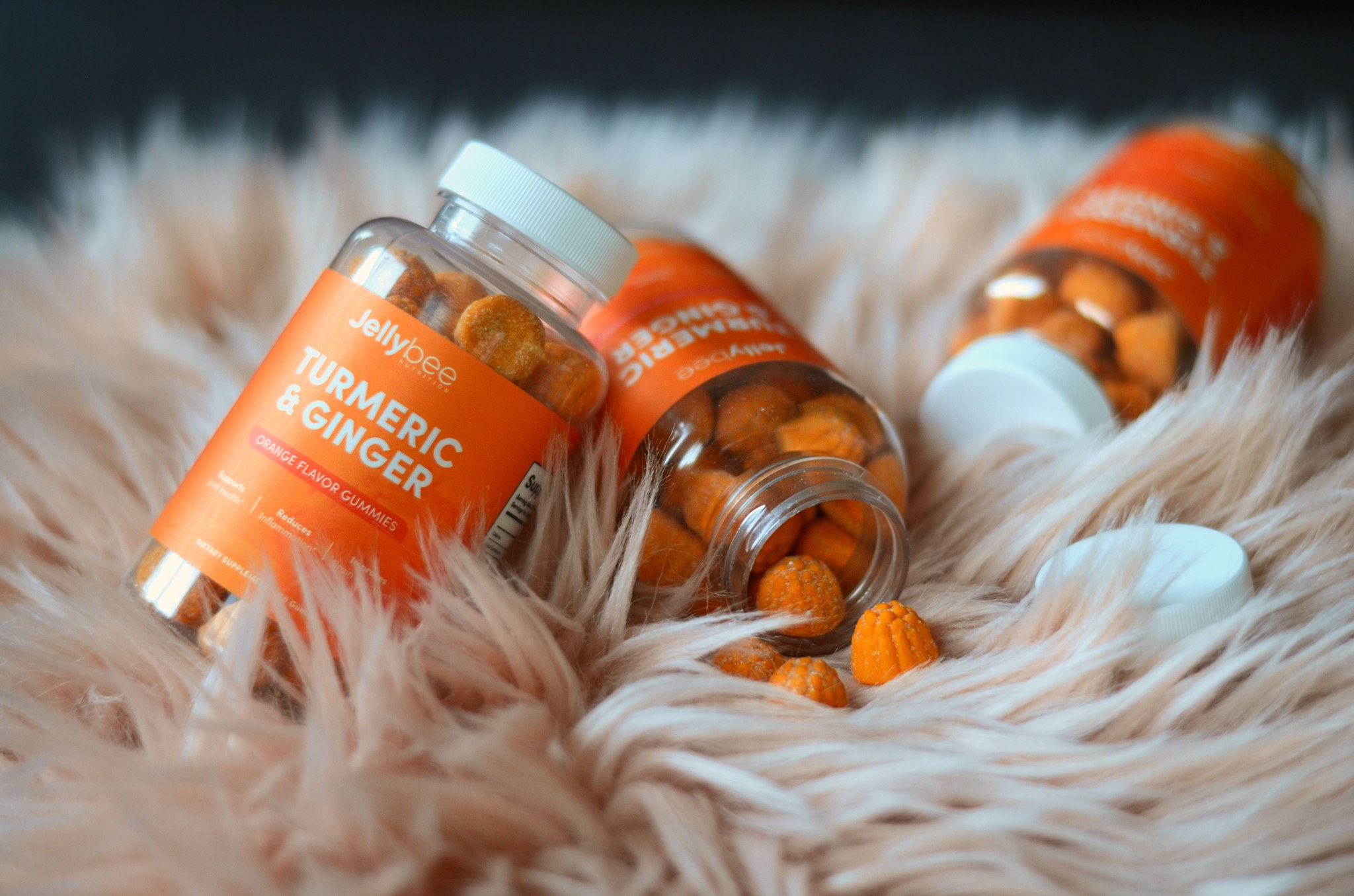
Gummies are cooked, molded, and dried. That takes more time and more careful temperature control. Flavors and colors matter a lot here, because taste is the whole point. A skilled gummy manufacturer can mask tricky ingredients and still make the final product taste great.
Because gummies involve more steps, your minimum order may be higher. But the payoff is a product people actually look forward to taking.
Key Factors to Compare Before You Decide
Use this checklist to weigh your options. It works whether you’re launching your first product or your fifth.
- Ingredient fit: Oils and certain vitamins work better in softgels. Gummies suit vitamins, minerals, and herbal blends that taste good.
- Cost per unit: Softgels are often cheaper at scale. Gummies cost more because of flavoring, molding, and drying.
- Minimum order quantity: Ask your manufacturer for MOQ for each format. Softgels usually let you start smaller.
- Shelf life and storage: Softgels last longer. Gummies need careful packaging to stay fresh and avoid sticking.
- Target audience: Kids, teens, and gummy lovers lean toward chewables. Older adults and pill-takers often prefer softgels.
- Halal needs: If you sell in Malaysia or to Muslim customers, choose a halal supplement manufacturer that can produce both formats to halal standards.
- Branding and packaging: Gummies open up fun colors and shapes. Softgels look clean and clinical. Match the look to your brand story.
Write down your top three priorities. Then compare how each format scores against them. This simple exercise saves weeks of second-guessing.
Private Label vs Custom: What Changes for Each Format
Many brands start with private label supplements, where you pick from ready-made formulas and put your label on them. It’s faster and cheaper than creating something from scratch.
If you want a unique product, custom formulation lets you choose your own ingredients, flavors, and dosages. Softgels and gummies both work here, but custom gummies usually take more testing because taste and texture must be just right.
A reliable supplement manufacturer will guide you through samples before you commit. Always ask for a sample batch. Taste it, hold it, and check how it looks after a few weeks.
So, Which One Should You Choose?
There’s no single answer. If you want a low-cost, long-lasting product for adults, softgels are a smart start. If your audience loves flavor and fun, gummies win hearts.
Some brands even launch both. You can test one format first, learn what sells, then add the other later. A flexible supplement OEM partner makes that easy.
Whatever you pick, work with a manufacturer who explains the trade-offs clearly. That’s how you avoid surprises and get a product you’re proud to sell.
Ready to move forward? Contact us for a free quote or consultation. We’ll help you compare softgel vs gummy supplement production for your exact product idea, and guide you from sample to shelf.