Choosing between softgels and gummies is a big decision for any supplement brand. Both formats have loyal fans, but they are made very differently. In this guide, we compare softgel vs gummy supplement production from a manufacturer’s point of view. You’ll learn how each is made, what affects cost and lead time, and how to pick the right one for your product line. Let’s dive in.
How Softgels Are Made
Softgels start as a gel-like shell made from gelatin or plant-based alternatives. Inside goes your oil or liquid formula. The process uses a rotary die machine that fills and seals each softgel in one smooth step. It’s fast and precise.
Because softgels are sealed, they protect sensitive ingredients like fish oil, vitamin D, and CoQ10 from air and light. That means better stability and a longer shelf life. A good supplement manufacturer will run these on a GMP-certified line to keep quality tight.
Softgels are small and easy to swallow. They also let you pack in higher doses of oil-based actives without a bulky pill. If your formula is oil-soluble, softgels are often the natural choice.
How Gummies Are Made
Gummies are cooked, not sealed. You mix a base like pectin or gelatin with water, sugar, and your active ingredients. Then you deposit the warm mix into starch molds or trays. After cooling and drying, the gummies are demolded, polished, and packed.
This process is more hands-on. Drying can take a day or more, depending on the recipe. Heat-sensitive ingredients need extra care because cooking temperatures can degrade them. That’s why a skilled gummy manufacturer matters so much.
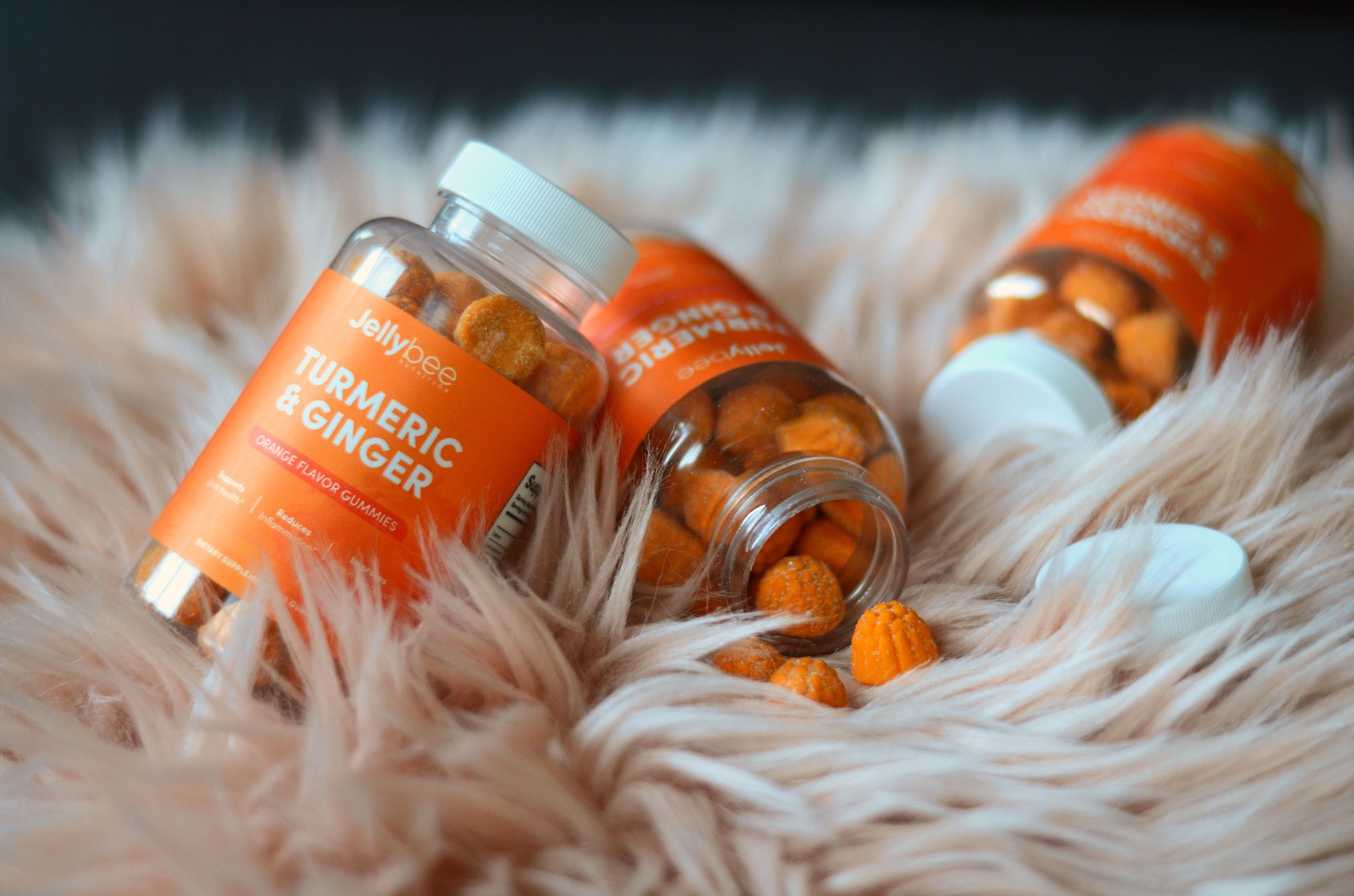
Gummies win on taste and experience. They’re chewable, fun, and easy for people who hate swallowing pills. Vitamins, minerals, and even some herbal extracts work well in gummy form.
Key Differences That Affect Your Brand
Both formats can be produced by a supplement OEM partner, but they behave differently in production, cost, and market fit. Here’s what to weigh:
- Dose capacity: Softgels hold more oil-based actives per piece. Gummies usually carry smaller doses per unit, so you may need two or three gummies per serving.
- Taste and texture: Gummies need flavor and sweetness to mask actives. Softgels are swallowed, so taste is less of an issue.
- Production speed: Softgel lines are fast and continuous. Gummy lines need cooking, depositing, and drying time, so lead times can be longer.
- Cost per unit: Softgels often cost less at scale for oil formulas. Gummies can cost more due to ingredients and drying.
- Shelf life: Softgels are sealed and stable. Gummies can absorb moisture, so packaging and storage matter more.
- Consumer appeal: Gummies attract kids and adults who dislike pills. Softgels appeal to people who want a clean, no-fuss swallow.
Neither format is better. The right one depends on your formula, your audience, and your budget.
Halal, Private Label, and MOQ Considerations
If you sell in Malaysia or export to Muslim-majority markets, halal matters. A halal supplement manufacturer will use halal-certified gelatin or plant-based gelling agents like pectin. Both softgels and gummies can be halal, but you must confirm the source of every ingredient.
For private label supplements, you choose a ready formula and put your brand on it. This is faster and cheaper than custom development. MOQs (minimum order quantities) vary by format. Gummies often have higher MOQs because of mold setup and drying batches. Softgels can sometimes run at lower volumes.
Ask your manufacturer about:
- Halal certification for the full production line
- MOQ per flavor or per formula
- Sample lead time and production lead time
- Packaging options (bottles, pouches, stick packs)
Getting these answers early saves you time and surprises later.
Which Format Should You Choose?
Pick softgels if your formula is oil-based, you want higher doses per piece, and you prefer a fast, stable production run. Pick gummies if you want a fun, chewable product that appeals to people who avoid pills, and you’re ready for a slightly longer production timeline.
You can also do both. Many brands launch a softgel line for core supplements and a gummy line for daily vitamins. A flexible supplement OEM can help you plan both without doubling your workload.
Still unsure? Talk to your manufacturer about your formula and target market. They’ve seen what works and can guide you.
Ready to start your supplement brand? Contact us for a free quote or consultation. We’ll help you compare softgel vs gummy supplement production for your exact formula and goals. Let’s build something great together.