Thinking about launching your own supplement brand? You might be wondering what happens behind the scenes. The supplement manufacturing process steps can feel complex, but they don’t have to be. In this guide, we’ll walk you through each stage in plain language. You’ll learn what to expect from a reliable supplement manufacturer, how quality is maintained, and why choosing the right partner matters. By the end, you’ll feel confident about taking the next step.
1. Formulation: Turning Your Idea into a Product
Every supplement starts with an idea. But that idea needs to become a precise recipe. Your OEM partner will work with you to create a formula that meets your goals. They consider the active ingredients, dosages, and form—like tablets, capsules, or gummies.
If you’re working with a gummy manufacturer, they’ll help you choose flavors and textures that appeal to your audience. A good formulator will also ensure the product is stable and effective. You don’t need to be a scientist—your manufacturer guides you.
Custom Formulation vs. Private Label
You have two main paths. Custom formulation means creating a unique recipe from scratch. Private label supplements use existing formulas that you can brand as your own. Custom gives you more control, but it takes longer and costs more. Private label is faster and often more affordable.
For startups, private label is a great way to test the market. For established brands, custom formulation sets you apart. Talk to your supplement OEM about what fits your budget and timeline.
2. Sourcing and Quality Control
Once the formula is set, your manufacturer sources raw ingredients. These must meet strict quality standards. A reputable supplement manufacturer will only buy from approved suppliers. They also test every batch for purity and potency.
This step is crucial for safety and compliance. You want a partner who follows GMP-certified facility guidelines. GMP stands for Good Manufacturing Practice—it’s a set of rules that ensure products are made consistently and safely.
- Ingredient testing: Check for contaminants, heavy metals, and microbes.
- Dosage verification: Ensure each serving has the right amount of active ingredients.
- Documentation: Keep records for traceability and audits.
If you’re targeting Muslim consumers, look for a halal supplement manufacturer. Halal certification means the product meets Islamic dietary laws. It’s a trust signal that can expand your market.
3. Production and Manufacturing
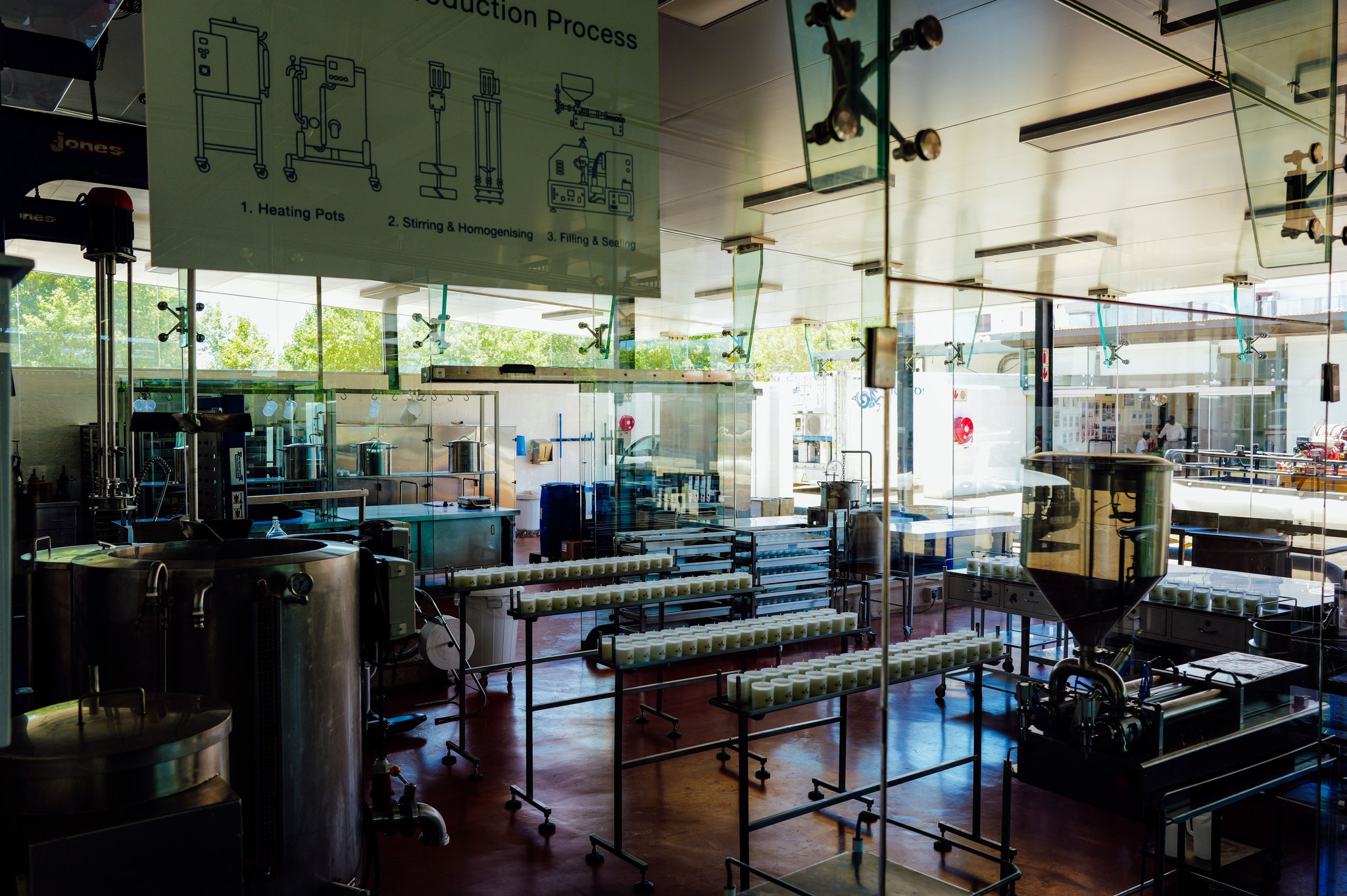
Now the actual production begins. The process varies depending on the product type. For tablets, ingredients are mixed and compressed. For capsules, they are filled with powder or liquid. For gummies, the mixture is cooked, molded, and cooled.
A gummy manufacturer uses specialized equipment to get the right texture and taste. They also control temperature and humidity to prevent issues. Throughout production, quality checks happen at every stage. This ensures that what you get is safe and consistent.
Your OEM partner should also handle packaging. This includes labeling, bottling, and sealing. Good packaging protects the product and extends its shelf life.
Why Manufacturing Environment Matters
A clean, controlled environment is key. Look for a facility that follows GMP. This means regular cleaning, staff training, and equipment calibration. It also means proper waste disposal and pest control.
When you visit a factory, notice how organized it is. A tidy workspace shows professionalism and care. Ask about their certifications and audit history. A transparent manufacturer will be happy to share.
4. Packaging, Labeling, and Delivery
After production, your supplements are packaged. Labels must comply with local regulations. This includes listing ingredients, dosage, and any warnings. Your OEM can help you design labels that are both compliant and attractive.
Packaging isn’t just about looks—it’s about protection. Bottles, blister packs, and pouches all keep your product fresh. For gummies, moisture control is especially important. A good supplement OEM will offer packaging options that fit your brand and budget.
Once packaged, the finished goods are stored in a warehouse. Then they’re shipped to you or directly to your customers. Your manufacturer should have reliable logistics to ensure timely delivery.
What About MOQ?
MOQ stands for minimum order quantity. Many manufacturers have high MOQs, which can be tough for startups. But some offer low MOQ options, especially for private label supplements. This lets you start small and scale up as you grow.
Ask your OEM about their MOQ and lead times. A flexible partner can save you money and stress.
We hope this guide helped you understand the supplement manufacturing process steps. Launching your own brand is exciting, and with the right partner, it’s very doable. If you have questions or want to discuss your project, we’re here to help. Contact us today for a free consultation and quote—let’s bring your supplement idea to life!