So you want to launch your own supplement brand. That’s exciting! But you might be wondering what happens behind the scenes. The supplement manufacturing process can feel like a mystery, but it doesn’t have to be. In this guide, we’ll walk you through each step, from the first idea to the finished bottle on the shelf. You’ll see exactly how a reliable supplement manufacturer turns your vision into a real product you can be proud of.
1. Your Concept and the Manufacturer’s Role
Every product starts with an idea. Maybe you want to create a gummy vitamin for kids or a protein powder for athletes. The first step is to share your vision with a supplement OEM partner. They’ll help you figure out the best form, like tablets, capsules, or gummies.
Your OEM partner will also guide you on custom formulation. This means they’ll help you pick the right ingredients and dosages based on your goals and budget. They’ll also check if your idea is feasible to produce at scale.
Key decisions in this phase
- Product form: tablet, capsule, softgel, powder, or gummy.
- Ingredients: which vitamins, minerals, or botanicals to include.
- Target audience: who will use your product and why.
- Labeling: what claims you can make legally.
This is also the time to choose a manufacturer that fits your needs. If you’re a startup, look for a partner with low MOQ (minimum order quantity) options. If you want to sell globally, check if they have the right certifications.
2. Research and Development (R&D) and Formulation
Once you’ve agreed on the basics, the real work begins. The supplement manufacturer’s R&D team will create a prototype. This is a small batch of your product to test the formula.
They will check things like taste, texture, and how well the ingredients mix. For gummies, they’ll work on the right chewiness and flavor. For powders, they’ll test how well they dissolve. This step is all about getting the product just right.
During R&D, the team will also consider stability testing. This means they’ll see how the product holds up over time under different temperatures and humidity. It’s important to know how long your product will stay fresh and effective.
What happens in R&D?
- Prototype creation: making a small sample batch.
- Ingredient sourcing: finding high-quality raw materials.
- Formulation adjustment: tweaking the formula for taste, texture, and effectiveness.
- Regulatory check: making sure your product meets local and international rules.
If you’re planning to sell in Malaysia or other Muslim-majority markets, you’ll want a halal supplement manufacturer. They can ensure your product and its ingredients meet halal standards.
3. Production and Quality Control
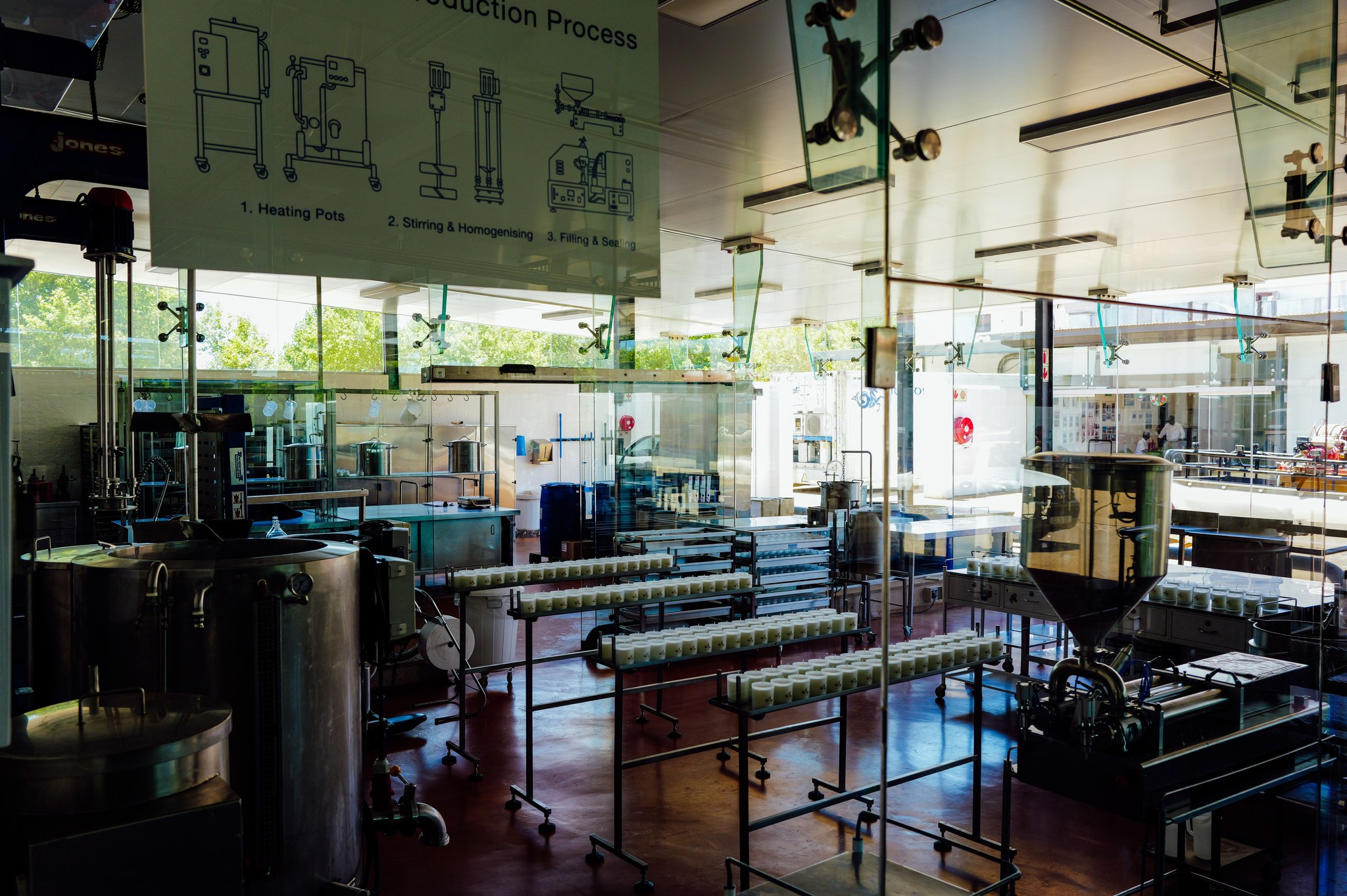
After you approve the prototype, it’s time for full-scale production. This is where your supplement is made in large quantities. A professional gummy manufacturer will have specialized equipment to cook, mold, and dry the gummies. For tablets, they use powerful presses to compress the powder into the right shape.
But production is not just about making the product. It’s also about making sure every batch is safe and consistent. That’s why quality control is a huge part of the supplement manufacturing process. The team will test the raw materials, the in-process product, and the finished goods.
Quality checks include testing for purity, potency, and contamination. They also make sure the product contains exactly what the label says. This is crucial for building trust with your customers.
Quality control steps
- Raw material testing: checking ingredients before they go into production.
- In-process checks: monitoring weight, size, and appearance during manufacturing.
- Finished product testing: verifying the final product meets specifications.
- Microbiological testing: ensuring no harmful bacteria or mold is present.
Look for a manufacturer that operates in a GMP-certified facility. GMP stands for Good Manufacturing Practice, and it’s a global standard for quality. It means the facility meets strict hygiene and safety requirements.
4. Packaging, Labeling, and Delivery
Your product is made and tested. Now it’s time to get it ready for the market. Packaging is more than just a bottle. It protects your product and helps sell it. Your OEM partner can help you choose packaging that fits your brand and budget.
Labeling is also important. Your label must include the required information, like ingredients, dosage, and warnings. Your manufacturer can guide you on what to put on the label to stay compliant.
For private label supplements, you can use your own brand name and design. The manufacturer will put your logo on the packaging, making it look like you made it yourself.
Finally, the finished products are packed into boxes and shipped to you. Your manufacturer should have a reliable logistics team to ensure your order arrives on time and in good condition.
Packaging options
- Bottles: classic plastic or glass jars.
- Pouches: convenient for single-use or travel packs.
- Blister packs: great for tablets and capsules.
- Custom boxes: if you want a premium unboxing experience.
This is the final step in the supplement manufacturing process. Once your products are in hand, you can start selling them through your own channels, whether that’s online, in stores, or both.
Ready to start your own supplement brand? We’re here to help. As a leading supplement OEM in Malaysia, we offer a full range of services, from formulation to packaging. Contact us today for a free quote and consultation. Let’s bring your idea to life!